Portuguese
  Spanish


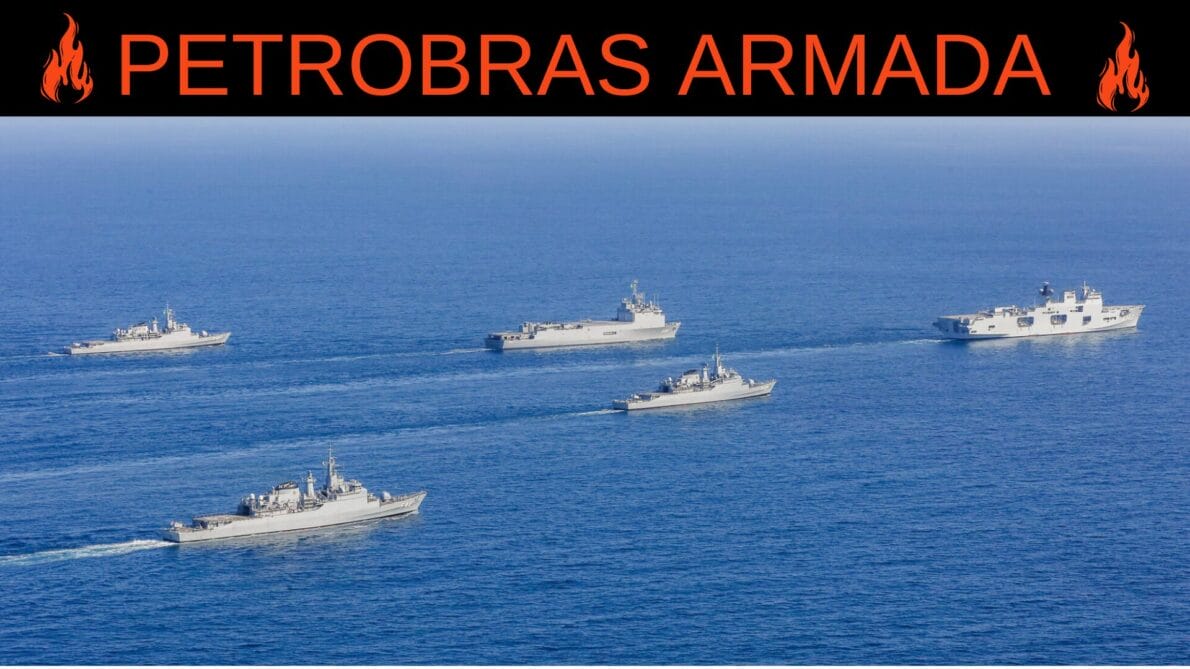

Brazil Is Repurposing Petrobras Oil Platforms to Strengthen National Defense!
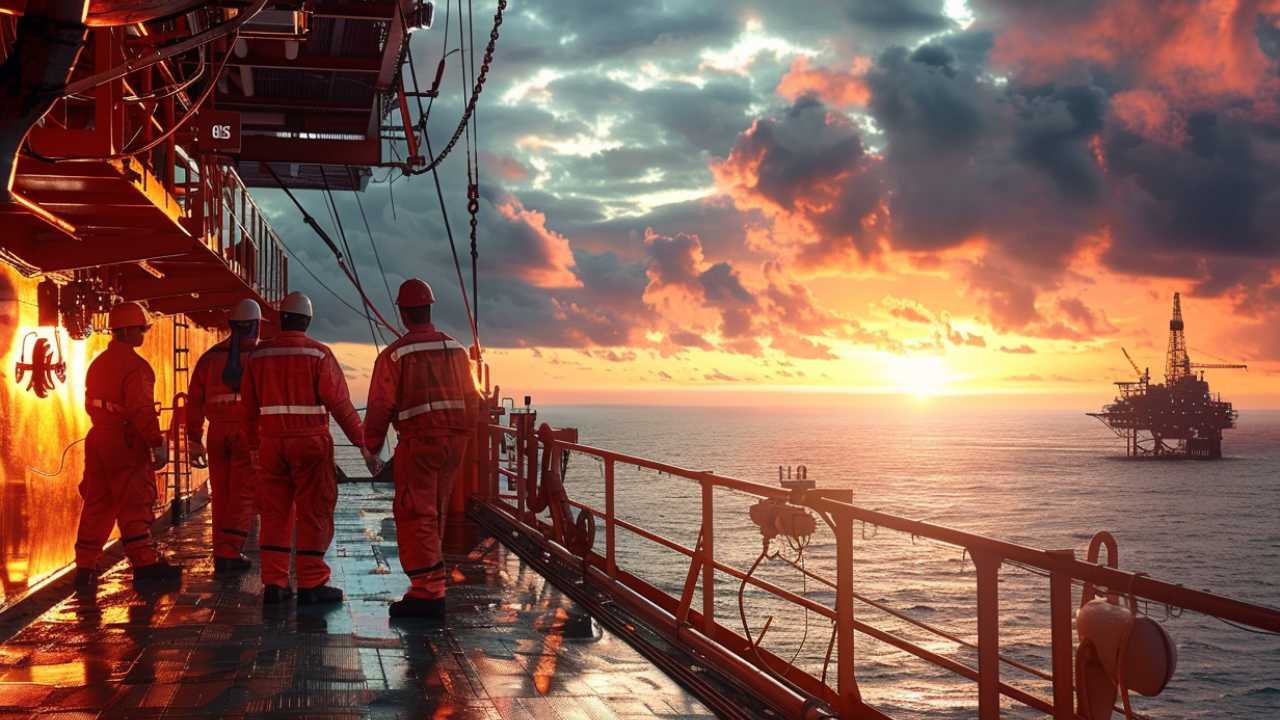
According to naval defense sources, Petrobras’ offshore oil platforms, which have long served as centers for natural resource extraction, are now being considered for a new strategic role as mobile defense and supply bases.
Petrobras, the Brazilian giant in the oil sector, indeed, has an extensive network of platforms along the Brazilian coast. These structures, with their imposing dimensions and ability to remain offshore for extended periods, therefore, provide a unique opportunity to enhance national security and support naval operations.
But Why Does Brazil Fear Losing Its “Blue Amazon”?
The Blue Amazon is a vast marine area that spans 5.7 million km², covering more than half of Brazil’s continental territory. This area, also known as the Exclusive Economic Zone (EEZ), is of strategic and economic importance to Brazil. But why does Brazil fear losing it?
-
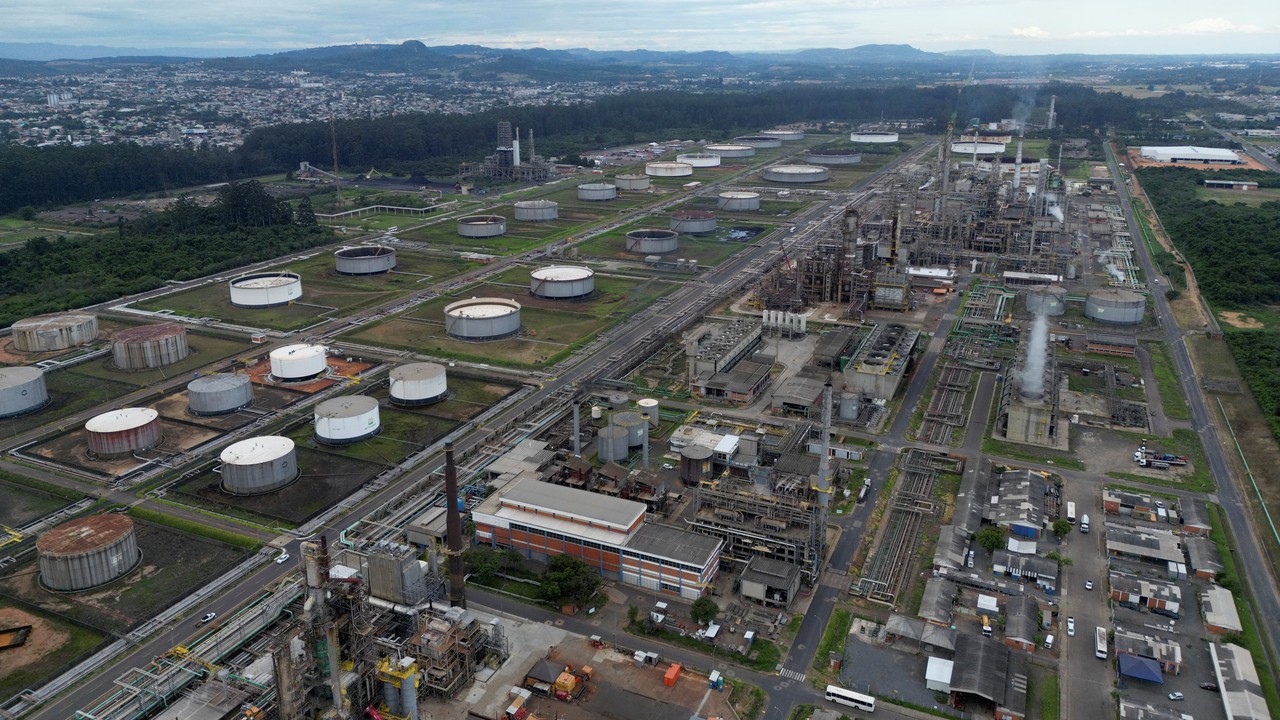
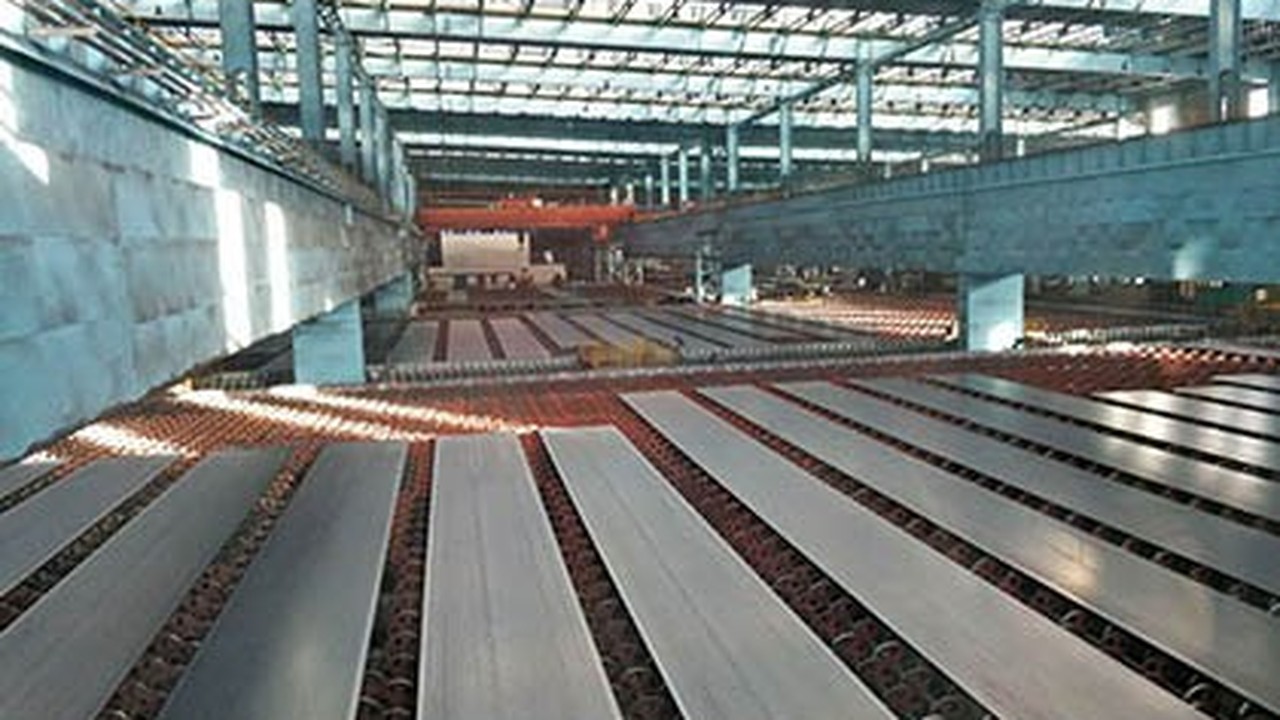
The Rio Grande Shipyard receives 11,000 tons of steel from Indonesia and resumes welding the first Handymax vessels for Transpetro after years of inactivity.

-
It’s official: Petrobras takes 75% of block 3 in São Tomé and Príncipe and debuts as an offshore operator outside South America.
-
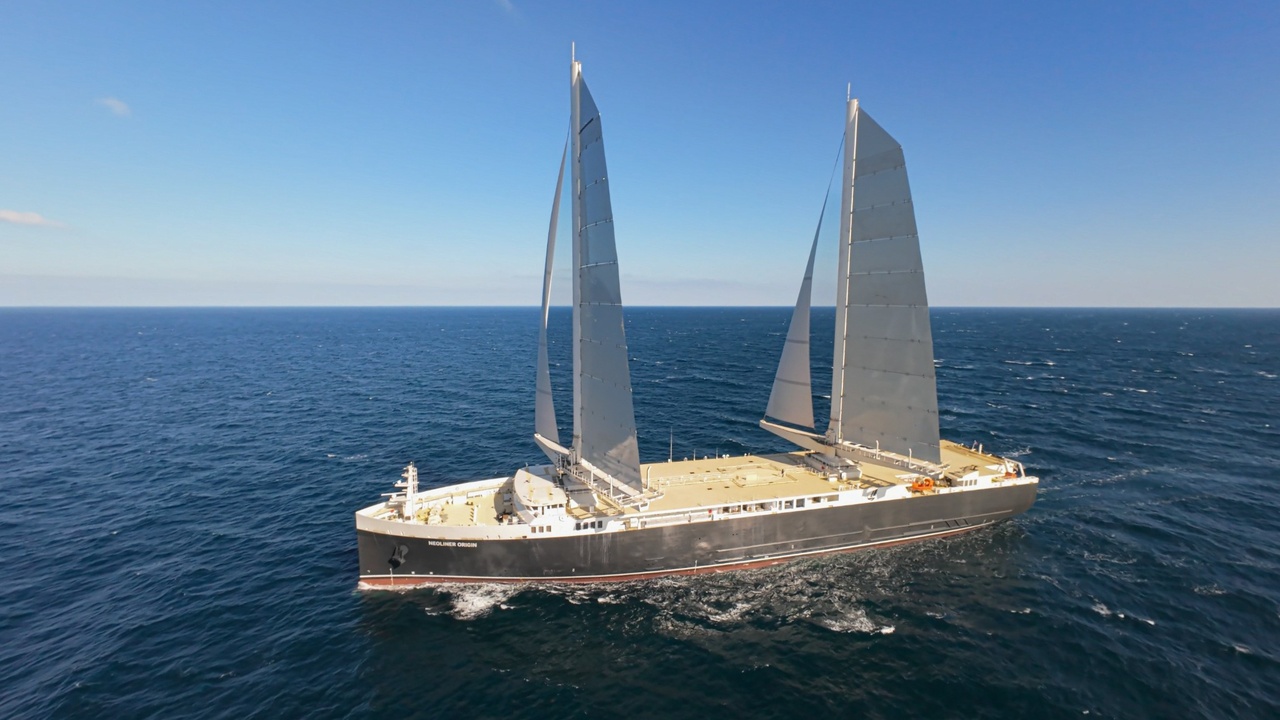
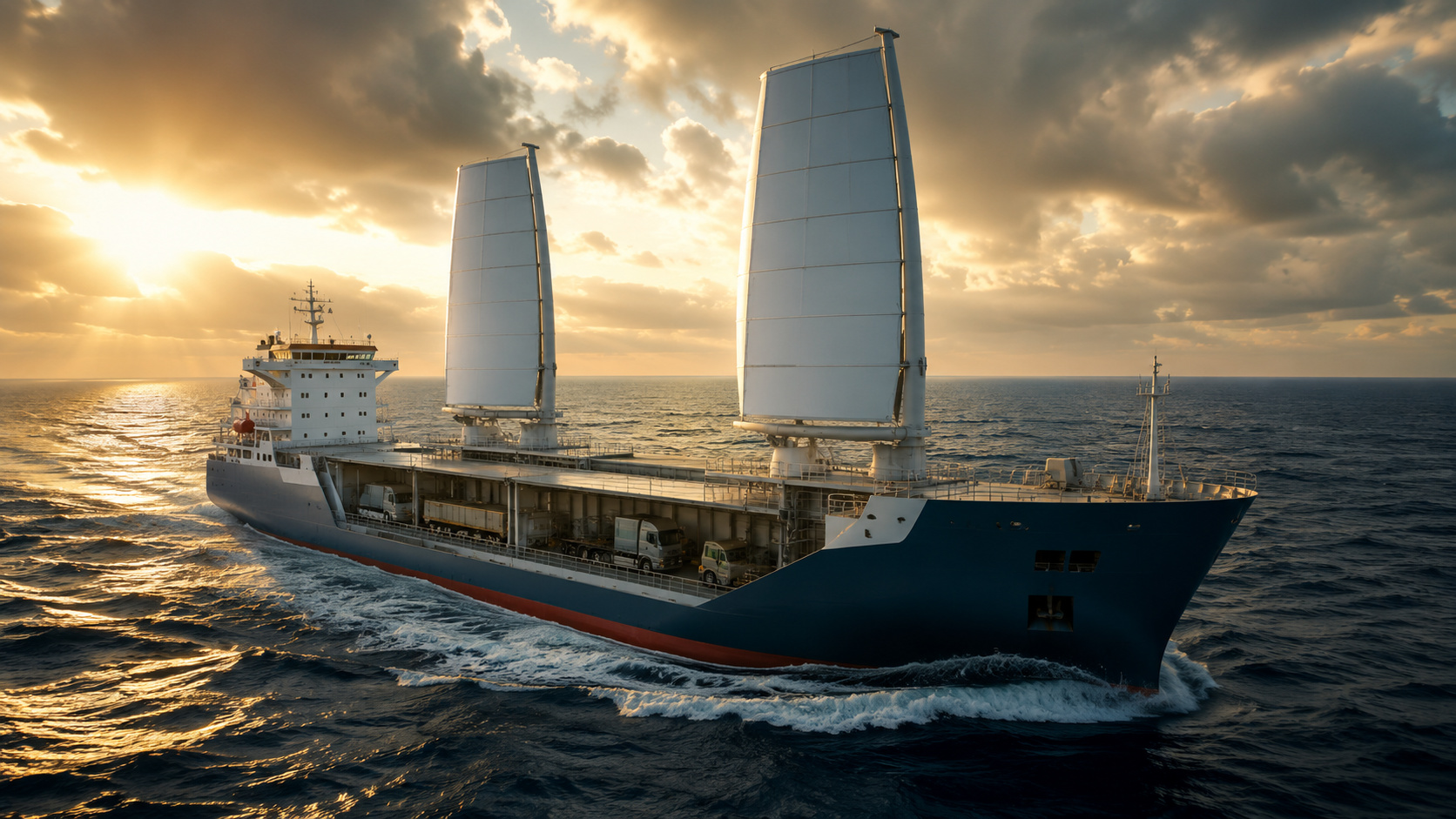
With two giant sails instead of relying solely on the engine, a modern cargo ship crosses the Atlantic carrying cars, forklifts, and goods to test less diesel in maritime transport.
-
With two giant sails instead of relying solely on the engine, a modern cargo ship crosses the Atlantic carrying cars, forklifts, and goods to test using less diesel in maritime transport.


Firstly, the Blue Amazon is rich in natural resources. Under its jurisdiction lie the reserves of pre-salt, from which about 85% of the oil, 75% of natural gas, and 45% of the fish produced in the country are extracted. Moreover, over 95% of Brazilian foreign trade is transported by ships through the maritime routes of this area. Therefore, any threat to sovereignty over the Blue Amazon could significantly impact the national economy.
Secondly, this region is a haven of biodiversity yet to be explored. Mineral resources such as nickel, copper, cobalt, and manganese are present at great depths, offering opportunities for economic development and scientific research. Protecting this area is essential to preserving its natural wealth and ensuring Brazil’s food and energy security.
The Concept of Mobile Defense and Supply Platforms (MODEP)
The concept of Mobile Defense and Supply Platforms (MODEP), developed by Gibbs & Cox (a Leidos group company), aims to transform surplus oil platforms into highly armed and versatile bases. Presented at the Sea Air Space 2024 exhibition, MODEP seeks to address the challenges faced by the United States Navy in the Western Pacific, particularly concerning armament and resupply.
Key Features of MODEP
- Mobility and Autonomy: The MODEP is a “floating island” designed to operate independently for over 12 months. Its ability to remain at an optimal distance from shore allows for greater strategic flexibility.
- Payload and Power Capacity: With massive space and payload capacity, the MODEP offers up to 8000 metric tons of initial cargo, as well as 6-20 MW of additional power for diverse missions.
- Advanced Defense and Attack Missions: The MODEP can accommodate up to 512 vertical launch system (VLS) cells or 100 large missile launchers. This represents a fivefold capacity compared to a U.S. Navy Arleigh Burke-class destroyer. Additionally, its height of 45-90 meters above the waterline provides optimal visibility and surveillance for associated sensors.
Benefits and Future Perspectives
The conversion of oil platforms into mobile defense bases offers significant advantages over land-based systems. In addition to operational benefits such as munitions resupply and repairs, the MODEP reduces risks and costs. Japan is also considering a similar conversion of offshore platforms. With the availability of convertible commercial platforms in the U.S., this solution can be implemented quickly and at low cost.
Therefore, the smart repurposing of Petrobras oil platforms as mobile defense and supply bases can strengthen national security and contribute to the effectiveness of naval operations. The convergence between the oil industry and defense shows that sometimes, the most innovative solutions are well below the surface of the sea.