






 Portuguese
  Spanish
  3 min of reading
  0 comments


Green County transforms cheese industry byproduct into an efficient winter road solution with cheese brine, reducing costs, avoiding waste, and protecting drivers from accidents on icy roads
Green County in Wisconsin, USA has adopted an unconventional measure to tackle slippery roads during winter: spreading nearly 100,000 gallons of cheese brine on the roads. The initiative utilizes a byproduct of cheese production, reduces industrial waste, and decreases the need for road salt, saving millions in ice and snow treatment.
The information was released by Wisconsin Public Radio news agency, which detailed the volume applied, the economic impact, and plans to expand the use of this innovative solution to keep roads safer during the cold season.
What is cheese brine and why it melts ice
Cheese brine is the salty water left over from the cheese-making process when the curd is separated from the liquid. This liquid contains enough salt concentration to lower the freezing point of water.
-
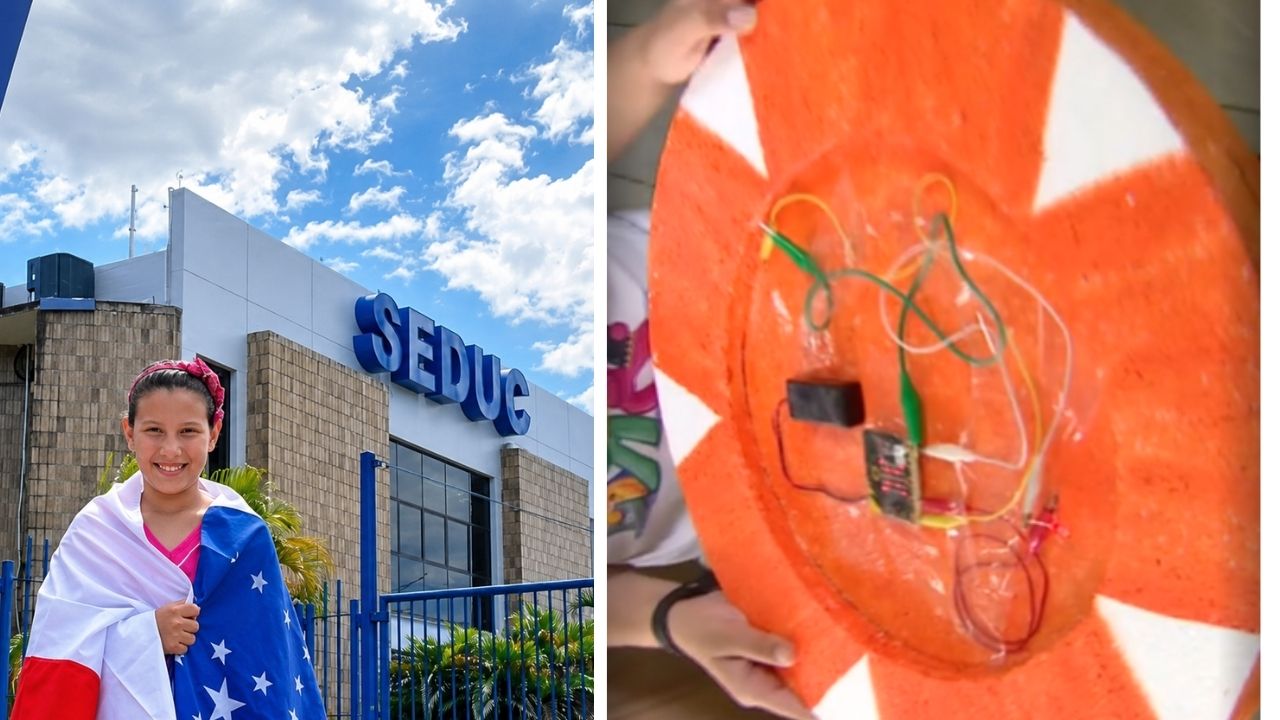
A 10-year-old girl in Manaus created a styrofoam buoy with a sensor to detect trash in streams, became the sole representative from Latin America in an international challenge in London, and turned the pollution she saw near her home into a sustainable invention.

-
It was neither a crash nor abandonment; this retired plane left the airport in parts, crossed Costa Rica on trucks, and ended up becoming a suite in the heights with daily rates exceeding R$ 2,000.

-
She panicked when she saw her daughter fall from the crib; years later, she turned the experience into a factory generating R$ 9 million per year.

-
At 75 years old, João José de Carvalho, known as Mr. Janjão, was accepted for the second time by Sisu after overcoming distance, physical limitations, and years away from school, to fulfill his dream of studying Biological Sciences at UFPI.



When applied to roads, the brine prevents snow and ice from bonding to the pavement, making the surface safer for vehicles and pedestrians. Additionally, it combines effectiveness with low cost and reuses a material that would otherwise be discarded.
How Green County collects and uses the brine
The county’s road department receives the brine directly from local producers, who adjust the salt and prepare the liquid for application on the roads. Tanker trucks spread the material before and during intense icy conditions, ensuring that snow does not accumulate and reducing the need for traditional salt.
The procedure reduces the environmental impact of road salt and increases safety, as well as generating significant savings for the county.
Economic and environmental impact of the measure
The use of cheese brine solves two problems simultaneously. It prevents large volumes of salt from being used on roads and reduces the disposal of by-products from the dairy industry. With this, Green County manages to save millions and turn waste into a useful resource.
Wisconsin Public Radio news agency detailed that the plans include expanding the application to more roads, enhancing safety and maintaining the sustainability of the procedure.

Limits and challenges of using brine
Although efficient, brine presents logistical challenges. Proper transportation and specific tanks are needed to store the liquid before application. The method depends on the proximity of cheese factories and the operational capacity of road teams.
Moreover, the salt present in the liquid still requires environmental care, as excess in soils and water bodies can have negative impacts if not controlled.
Possibility of expansion to other regions
The Green County model sparks interest in other nearby counties facing similar problems in winter. With logistical adjustments and appropriate application techniques, the strategy can serve as a reference for utilizing industrial by-products for the benefit of safety and economy on cold roads.
The experience shows how creative solutions can turn waste into strategic inputs, reducing costs and increasing the protection of drivers and pedestrians.
Do you believe that this type of solution could be used on roads in other Brazilian cities to reduce costs and utilize industrial waste?







Be the first to react!