





 Portuguese
  English
  Spanish
  3 min of reading
  0 comments


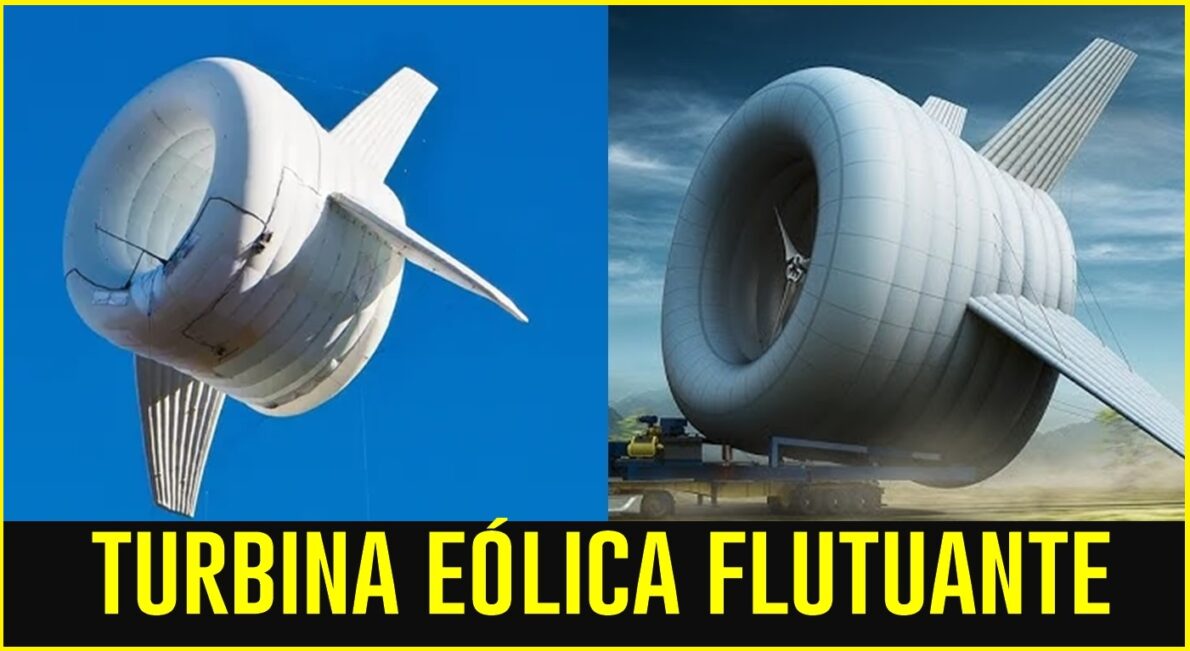
The Forgotten Technology Aimed at Harnessing Hurricane Energy with a Flying Wind Turbine Could Have Revolutionized the Renewable Energy Sector
The production of clean energy through wind turbines has been a widely used reality around the world for quite some time. However, the revolutionary flying wind turbine created by the American startup Altaeros promised to go beyond the conventional, seeking to explore winds at higher altitudes and even capture hurricane energy.
This technology, known as Buoyant Airborne Turbine (BAT), had a promising start but seems to have been sidelined without further explanations.
Altaeros was founded in 2010 by MIT alumni Ben Glass and Adam Rein, with the ambition of transforming how wind energy was captured.
-
Wind farm in Namibia will have wind turbines assembled without giant cranes and is expected to avoid 200,000 tons of carbon dioxide per year when it becomes operational.

-
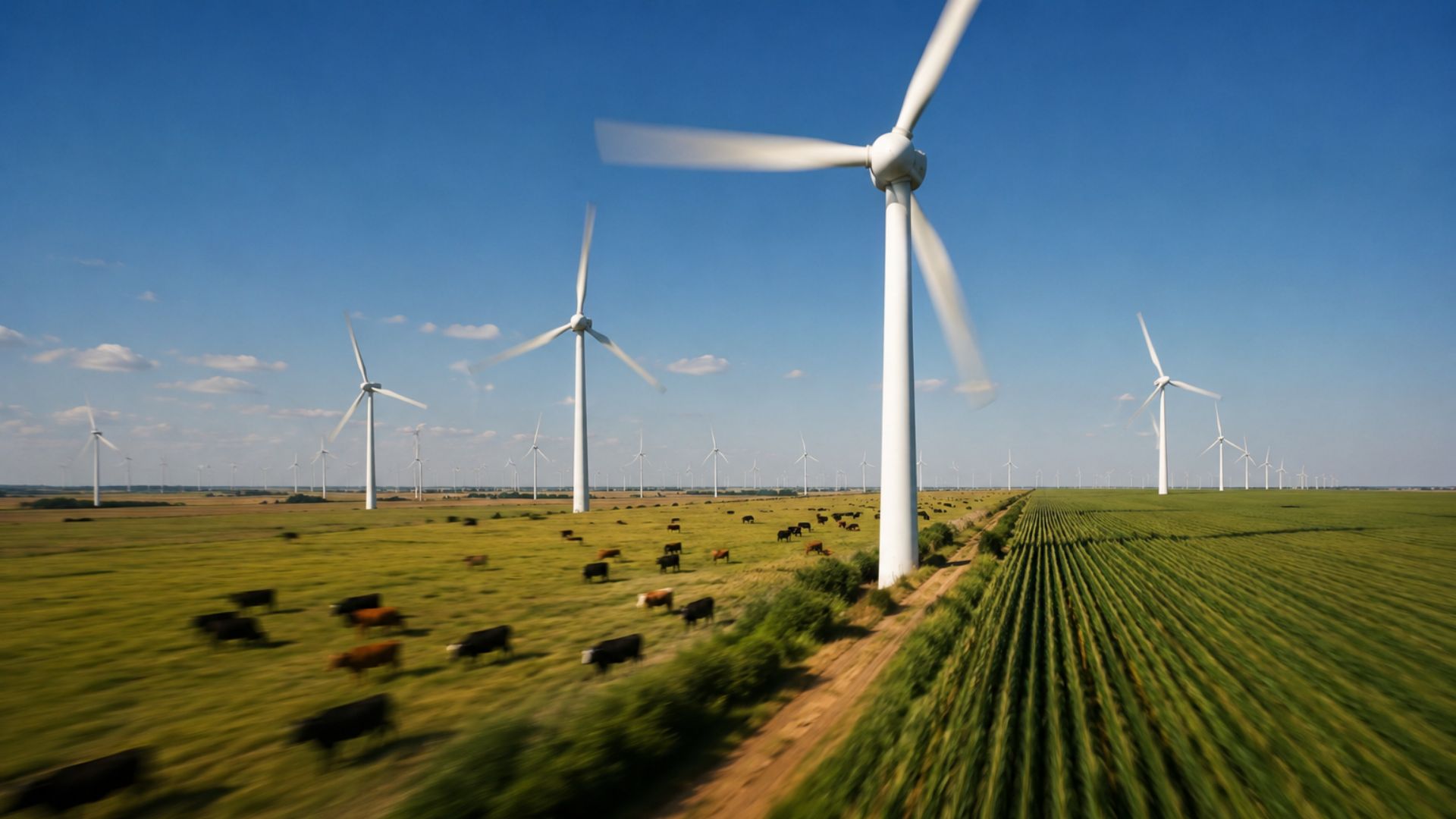
Taller than the Statue of Liberty, thousands of wind turbines are being planted in the middle of U.S. fields, creating two-story farms where corn and soybeans grow below while the wind turns into electricity above.

-
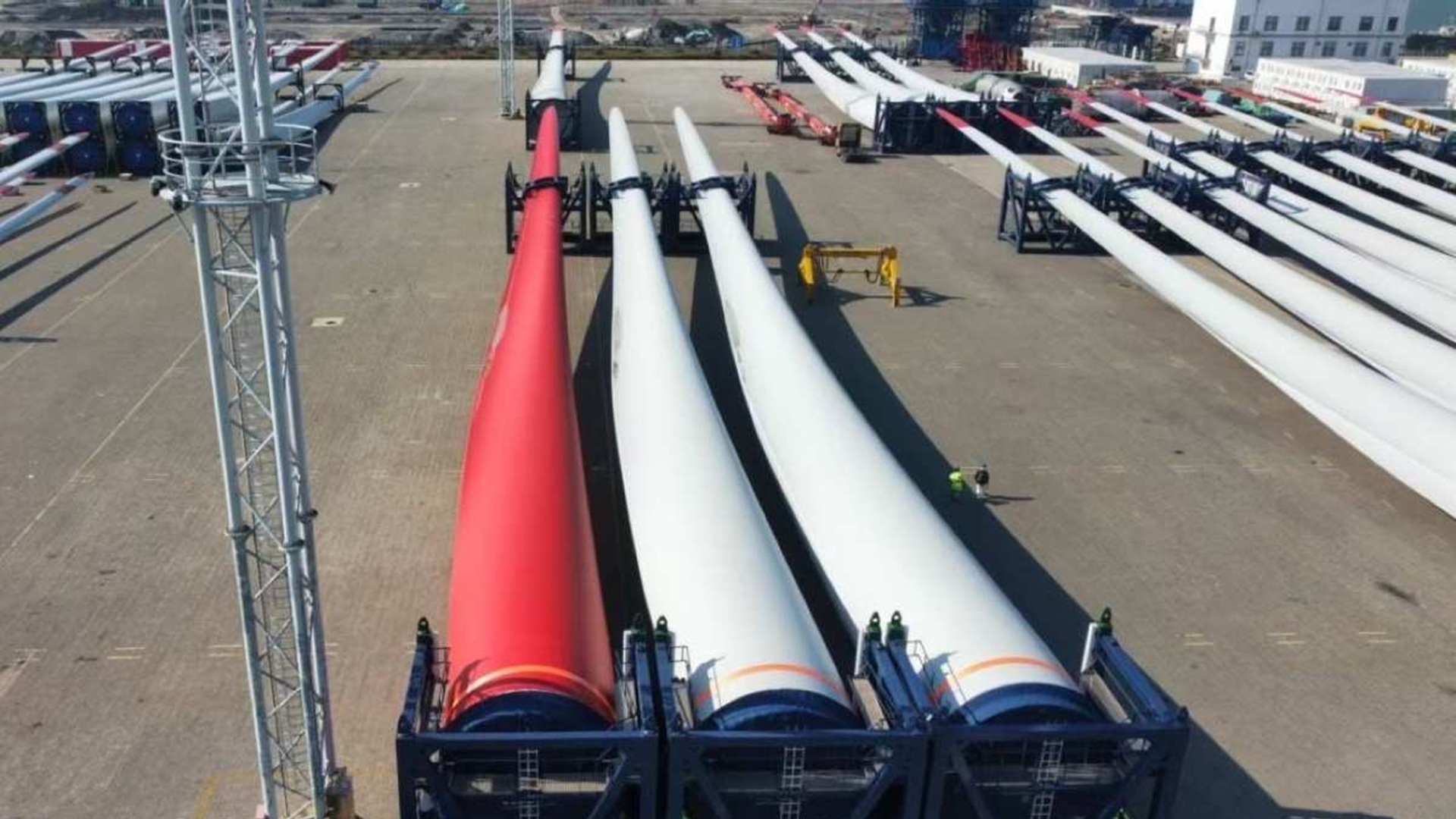
Dongfang breaks world record and manufactures 26 MW wind turbine in China with 137-meter blades that spin so slowly they appear stationary on the horizon.

-
Dutch wind farms attempt to innovate with red blade on turbines
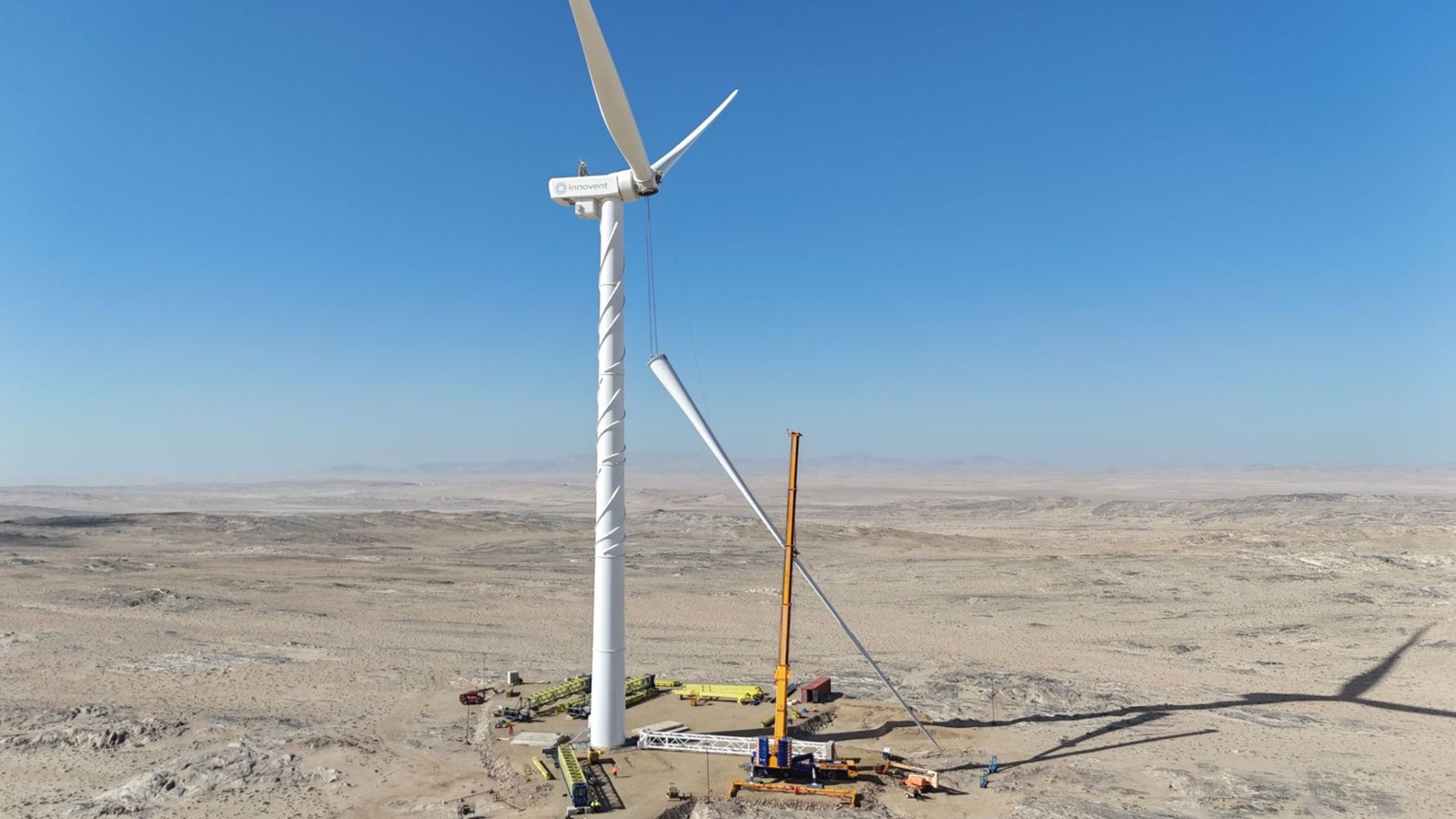

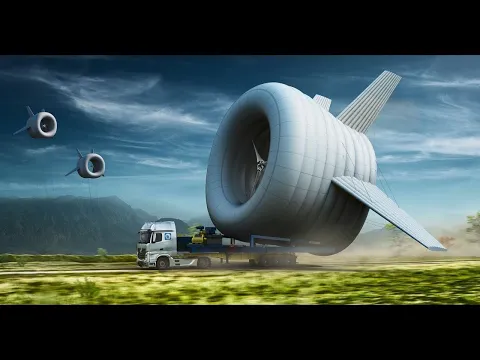
Instead of using fixed concrete towers, which require complex transportation and installation logistics, the startup’s solution involved an inflatable helium-filled structure capable of floating at high altitudes and harnessing stronger and more consistent winds.
The Innovation of Altaeros
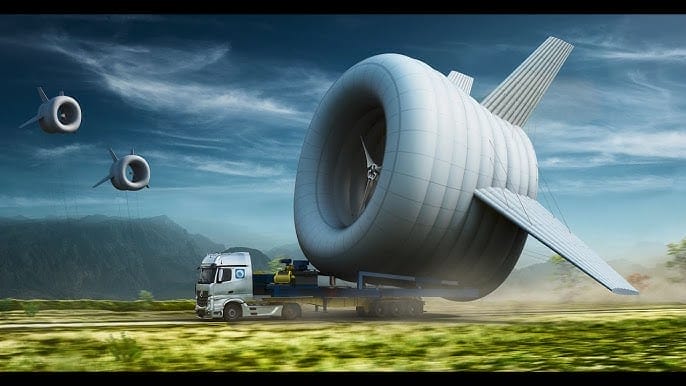
The BAT technology consisted of a balloon that carried the flying wind turbine to altitudes of 1,000 to 2,000 feet (0.61 km) above the ground. These altitudes allow access to winds five to eight times more intense and steady than those found near the surface.
The 35-foot (approx. 11 m) circular structure, made of a sturdy material similar to that used in airships, housed the flying wind turbine.
This turbine, connected to a ground station by three tethers, automatically adjusted its altitude to capture the strongest winds possible.
Additionally, one of the cables also served to transport the generated electricity back to the station, where it could be distributed to local microgrids.
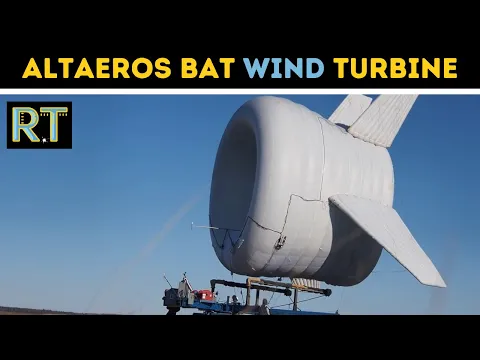

According to Altaeros, the BAT was able to produce up to 2.5 times more energy than conventional turbines mounted on towers of similar size.
Its proposal not only promised to capture more energy but also to simplify the installation process. Unlike traditional turbines, which require tons of concrete and cranes to be erected, the BAT could be transported in containers and inflated directly on site.
Potential to Harness Hurricanes
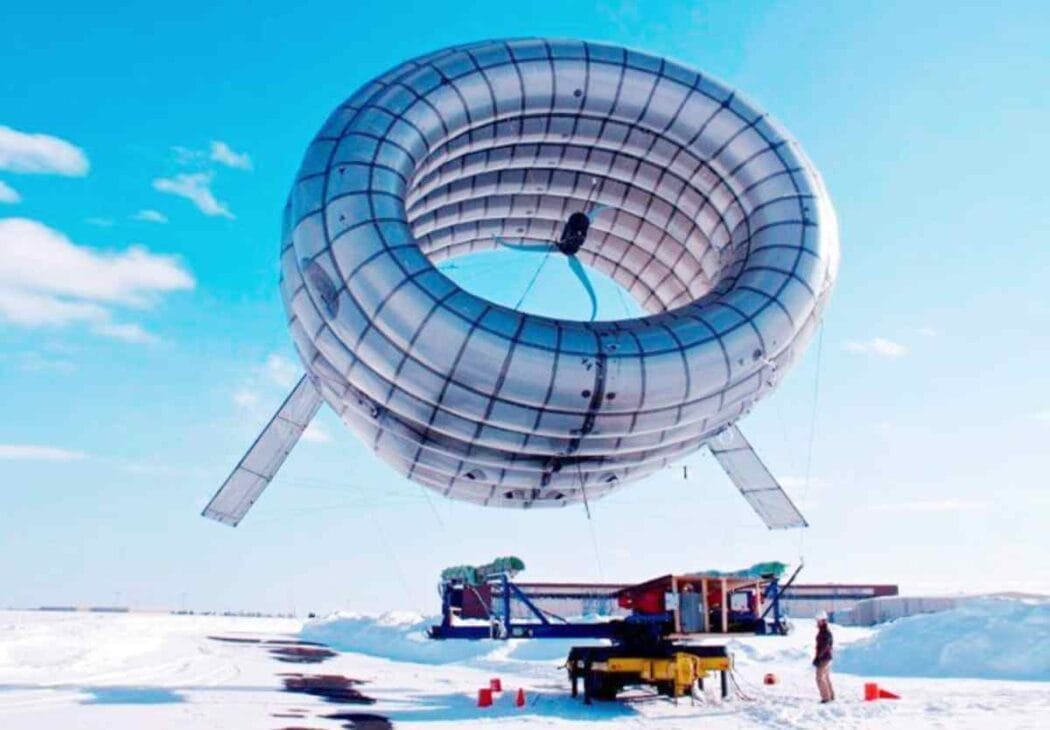
Altaeros’ major innovation lay in its ability to withstand extreme winds. The turbine was designed to operate even in severe weather conditions, such as winds of up to 200 km/h.
This feature opened the possibility of turning hurricanes, with their devastating winds, into a source of clean energy.
The idea seemed particularly promising for rural areas, islands, and industries in remote locations, such as mining and oil, where traditional wind energy infrastructure is unviable.
Moreover, the ease of transportation and installation represented a cost saving of up to 90% compared to the traditional model.
Altaeros focused on communities that needed more accessible and practical solutions, making the BAT an attractive option for regions with limited infrastructure.
An Uncertain Future for the Flying Wind Turbine
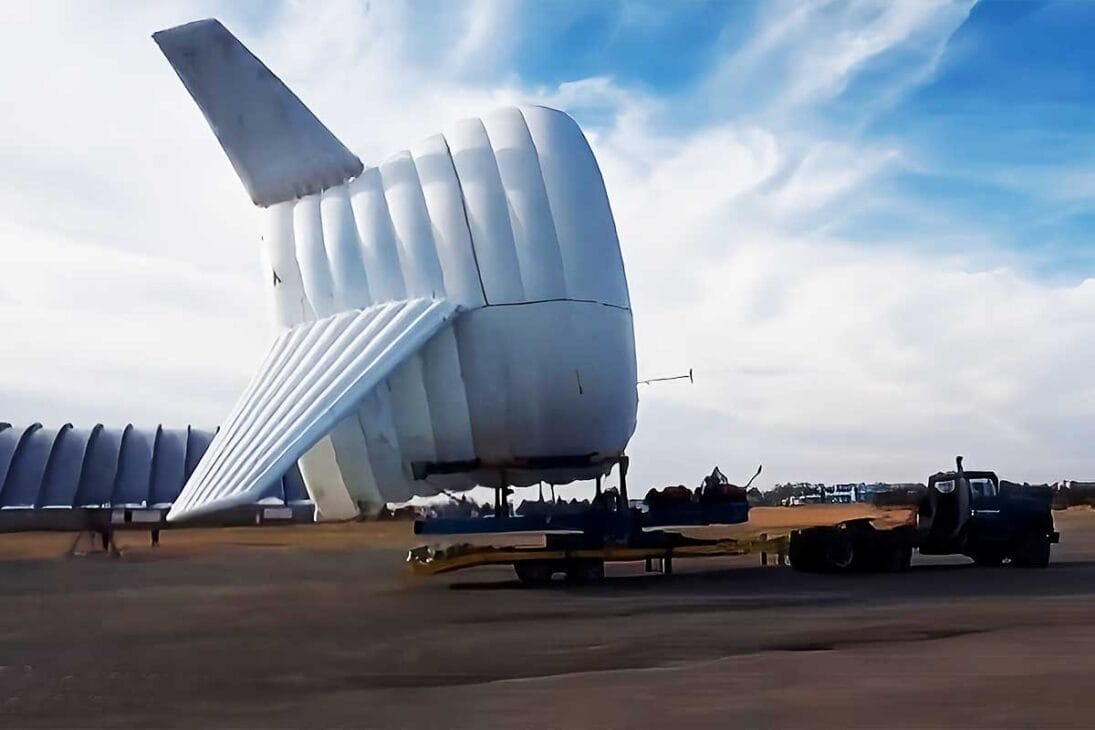
Despite its revolutionary potential and initial promises, Altaeros’ BAT project seems to have been sidelined without further explanations.
Since the successful tests in Alaska, the technology has not progressed to large-scale commercial deployment, and the startup has not provided details regarding the reasons for halting development.
With the abandonment of the BAT, the idea of harnessing winds at high altitudes and even hurricane energy remains on hold.
Altaeros demonstrated that there is vast potential in the sky for clean and efficient energy generation, but, to date, this promise remains dormant, awaiting a possible revival or reinvention.
The story of the BAT reflects both the innovative spirit and the challenges faced by disruptive technologies.
Although its commercial viability has not yet materialized, Altaeros’ vision opens new perspectives for the future of wind energy, with the hope that one day high-altitude winds can be fully harnessed for electricity generation.




Be the first to react!