Portuguese
  Spanish


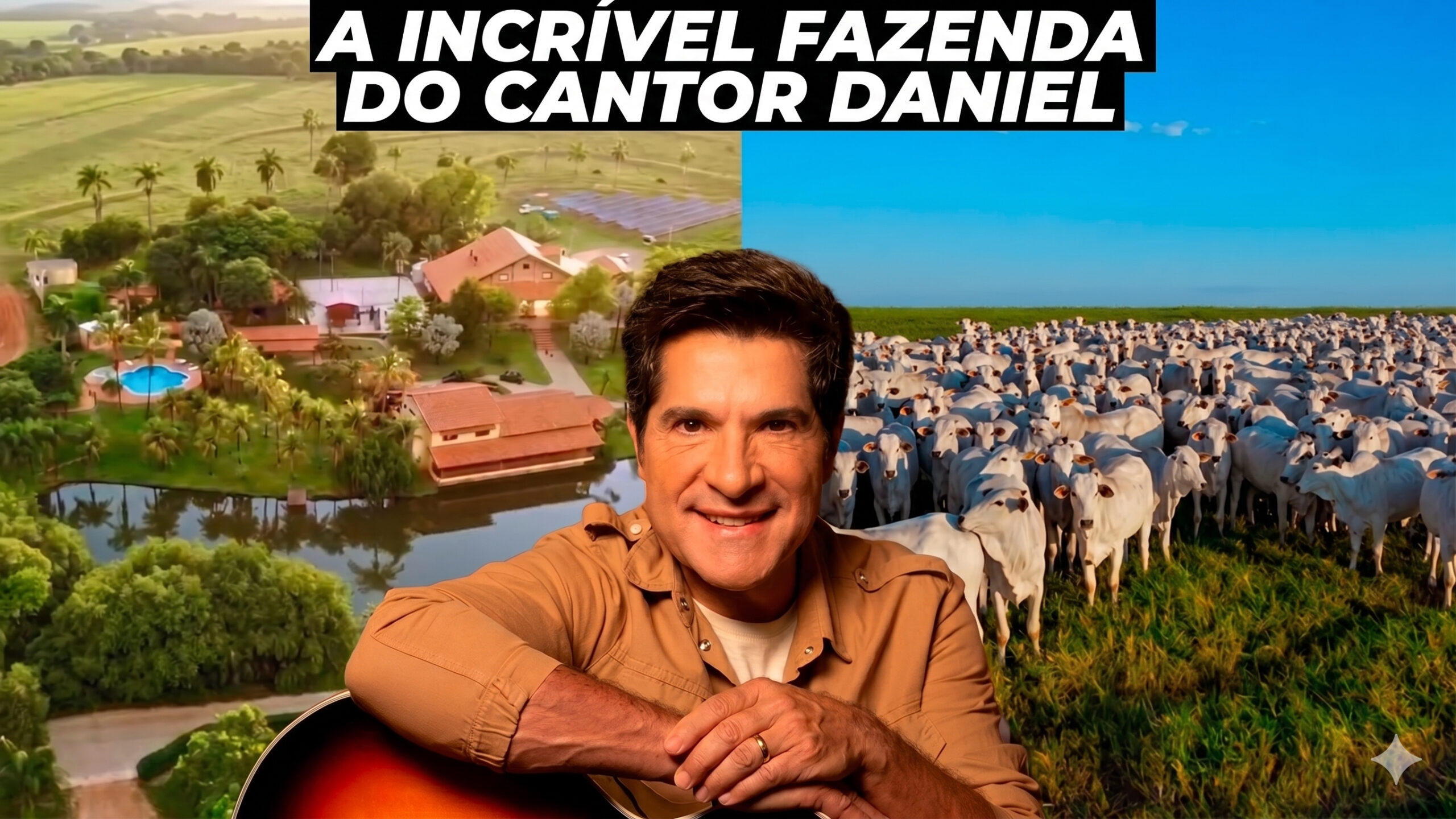

Daniel’s 2,100-hectare farm in Brotas became a TV Globo set and reveals how the singer transformed his property into a national stage.
In March 2026, reports published by CARAS Brasil magazine highlighted Morro Chato Farm, the property of singer José Daniel Camillo, artistically known as Daniel, located in the municipality of Brotas, in the interior of São Paulo. The location gained national visibility by becoming the set for the Sunday program Viver Sertanejo, aired by TV Globo, consolidating the farm not only as a productive space but also as a television content environment. The property covers about 2,100 hectares, a relevant figure that places the area among the large rural expanses of the interior of São Paulo. The most striking point of the agenda is the transformation of a private space into a nationally recognized stage, connecting rural life, entertainment, and sertanejo cultural identity in a single environment.
The acquisition of the farm occurred nearly three decades ago, with the support of the singer’s father, which reinforces the personal and historical character of the property within the artist’s journey.
Strategic location in Brotas and characteristics of the rural territory in the interior of São Paulo
Brotas, the municipality where Morro Chato Farm is located, is nationally known for its ecological tourism, rivers, and adventure activities. Inserted in this context, Daniel’s property benefits from a preserved natural environment and a geography favorable to rural activity.
-
Ice Cream Shop Grows from 39 Square Meters to $19 Million Revenue with Popsicles Sold at 20 Cents in Brazil

-
Rural Worker Spotted “Flying” on a Drone in Brazil

-
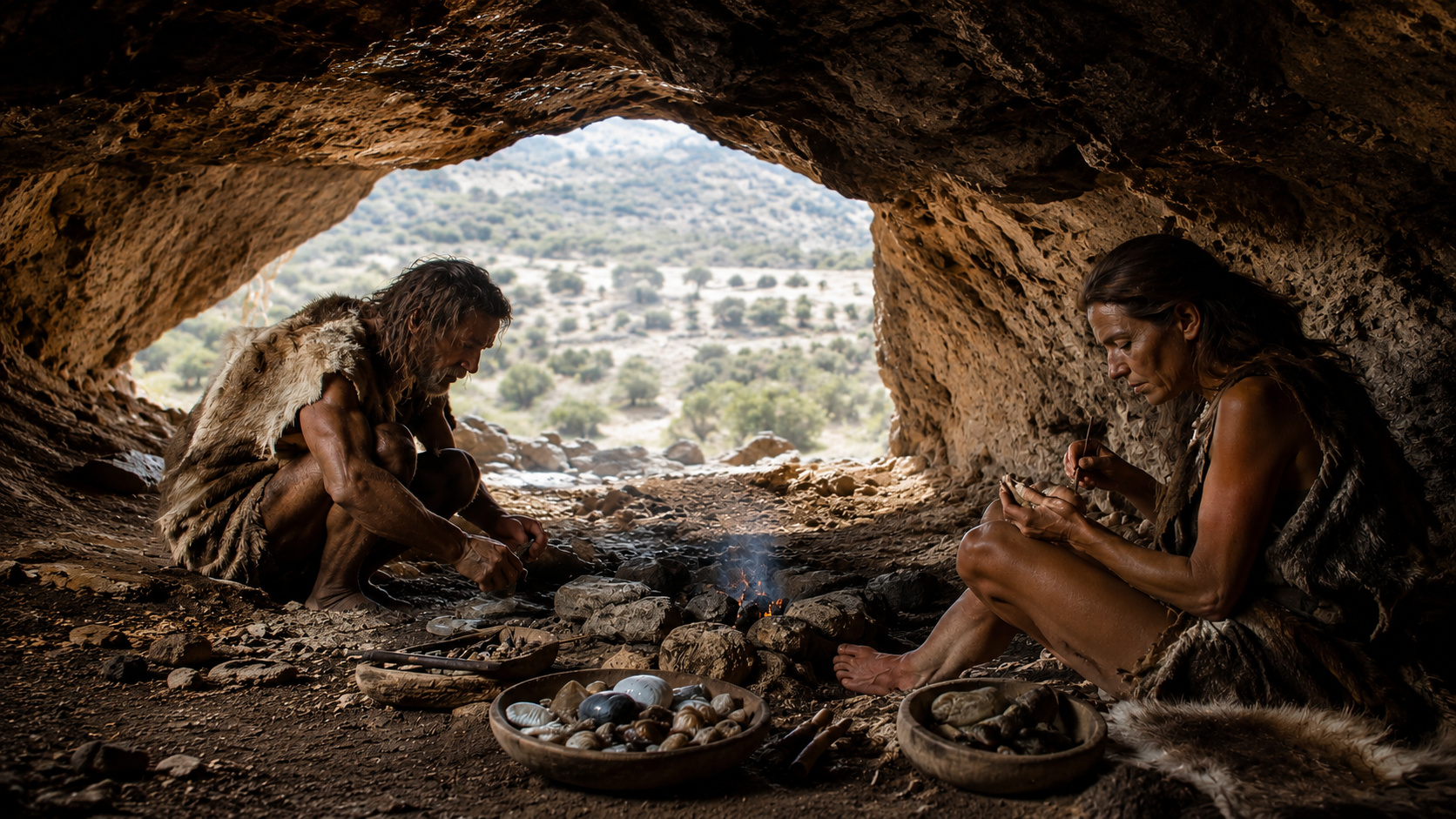
Turkish Cave Suggests Neanderthals and Homo Sapiens Shared Cultural Traditions for Millennia; Discovery Unveils Similar Tools, Hunting Techniques, and Shells at a Major Prehistoric Site
-
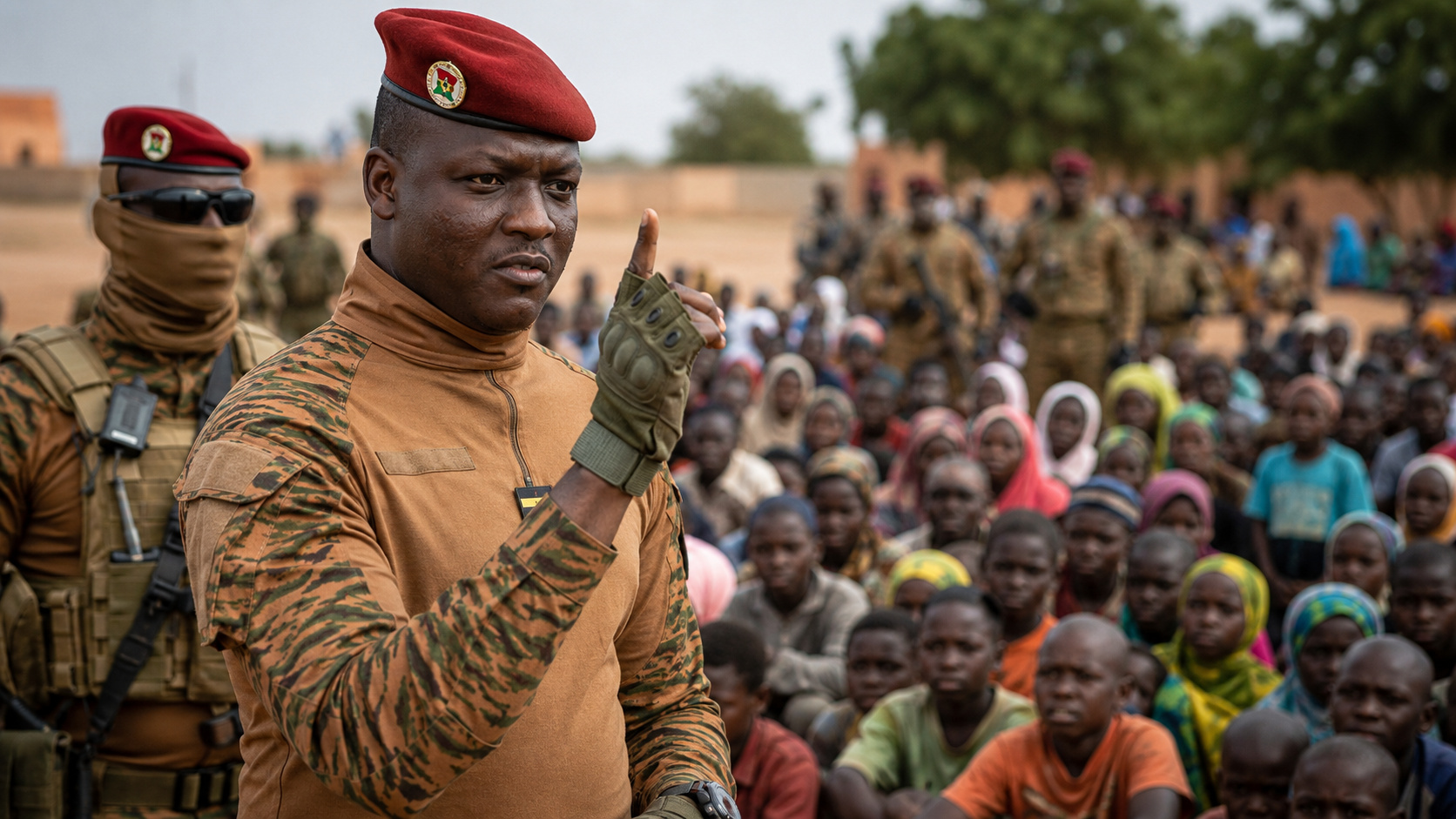
Burkina Faso Bans NGOs from Photographing Vulnerable People Without Consent and Outlaws Fundraising Campaigns Exploiting Suffering



The region has soil suitable for various agricultural and livestock uses, in addition to relatively easy access to important urban centers in the state of São Paulo. This positioning contributes both to the economic viability of the farm and to its adaptation as a set for audiovisual production.
The fact that the farm is in an area with strong scenic appeal also directly influences the aesthetics of the television program, which explores visual elements related to nature, tradition, and rural life.
How the farm transitioned from private property to a TV Globo set
The transformation of Morro Chato Farm into the set for the program “Viver Sertanejo” represents a significant change in how rural properties can be utilized in the media context.
The program aims to explore the sertanejo universe in a more intimate way, showing not only the music but also the daily life, culture, and values associated with the countryside. In this sense, the choice of Daniel’s farm as a setting is not just logistical but also symbolic, reinforcing the authenticity of the proposal.
The property functions as a real environment, not as a set studio, which increases the connection with the audience and reinforces the visual identity of the program. Elements such as landscape, rural architecture, and natural ambiance become part of the television narrative.
Structure of the property and multifunctional use between rural production and entertainment
Although detailed information about all the productive activities of the farm is not fully confirmed in public sources, what is known is that the property maintains typical characteristics of large rural areas in the interior of São Paulo.

These properties often integrate different uses, such as animal husbandry, agricultural cultivation, and environmental preservation. In the case of Fazenda Morro Chato, the highlight is on the hybrid use between productive space and recording environment, something still little explored on a large scale in Brazilian television.
The presence of symbolic and cultural elements, frequently mentioned in reports, reinforces the identity of the place as a space that goes beyond economic production, also assuming a cultural and representative role.
The relationship between public image, sertanejo identity, and use of rural space
The choice to use the farm itself as a television setting also connects directly to the construction of the public image of singer Daniel. Throughout his career, the artist has always been associated with the traditional sertanejo universe, which includes values related to the countryside, family, and rural life.
By opening his property for recordings, Daniel reinforces this identity in a concrete and visual way, allowing the audience to associate his artistic journey with a real space.
This strategy creates a more consistent narrative, where the setting is not just a backdrop but an active part of the story told to the viewer.
Media impact and economic potential of rural properties transformed into content
The use of farms as settings for television programs also opens up discussions about new forms of monetization and appreciation of rural properties.
In addition to traditional use for agricultural or livestock production, these spaces can become locations for recording, events, rural tourism, and digital content production. This expands the economic potential of the properties and creates new possibilities within the sector.
In the case of Fazenda Morro Chato, exposure on national television contributes to increasing the symbolic value of the property, as well as strengthening the artist’s personal brand.
Do you think farms can become new centers of content production in Brazil
The transformation of Fazenda Morro Chato into a television set raises an interesting question about the future of rural properties in the country.
With the advancement of digital platforms, television, and content production, to what extent can rural spaces cease to be merely productive areas and become centers of cultural and media creation?
This movement is still in its early stages, but cases like Daniel’s indicate that there is potential for expansion, especially in regions with a strong cultural identity and striking landscapes. The discussion involves not only entertainment but also economy, identity, and new ways of using territory in Brazil.