Portuguese
  Spanish



Amapá Studies Creating Sectoral Funds to Invest Oil Resources in Environmental Preservation and Regional Development Projects, Inspired by the Model from Rio de Janeiro. Petrobras Sees in the Equatorial Margin an Opportunity to Generate Wealth and Combat Energy Poverty.
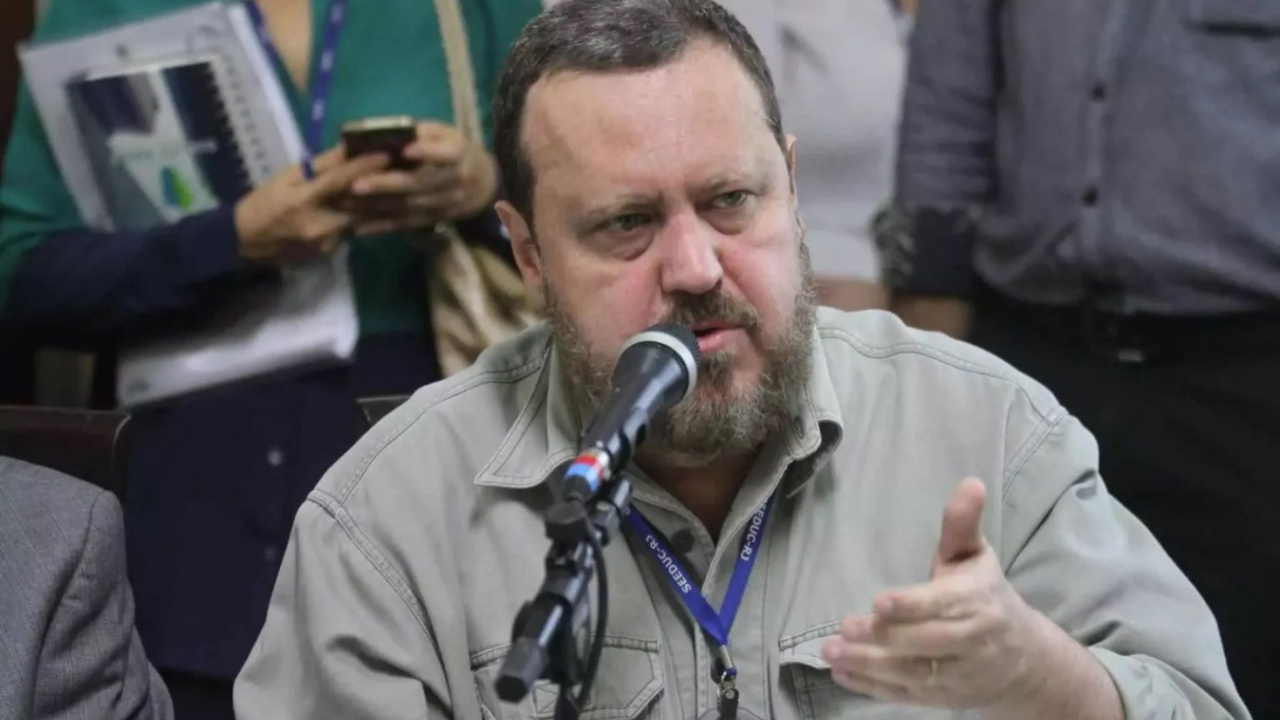
The government of Amapá is evaluating the creation of sectoral funds with oil resources to promote projects focused on environmental preservation and economic growth. The initiative was mentioned by Wagner Victer, executive manager of Structuring Programs at Petrobras, during a debate organized by the Getulio Vargas Foundation (FGV) on combating energy poverty, held this Monday (27).
According to Victer, the proposal follows the example of the State Fund for Environmental Conservation and Urban Development (Fecam), created in Rio de Janeiro. The Fluminense model is cited as a success story in the allocation of oil royalties to finance environmental and urban policies.
“Discovering oil in the Equatorial Margin will allow generating wealth and compensating for many things that can be done, including preserving the environment. There are funds that can be created at the state and municipal levels,” the executive stated after the event.
-
With a record production of nearly 3 million barrels per day, Petrobras resumes importing diesel in July, highlighting the bottleneck in Brazilian refining.

-
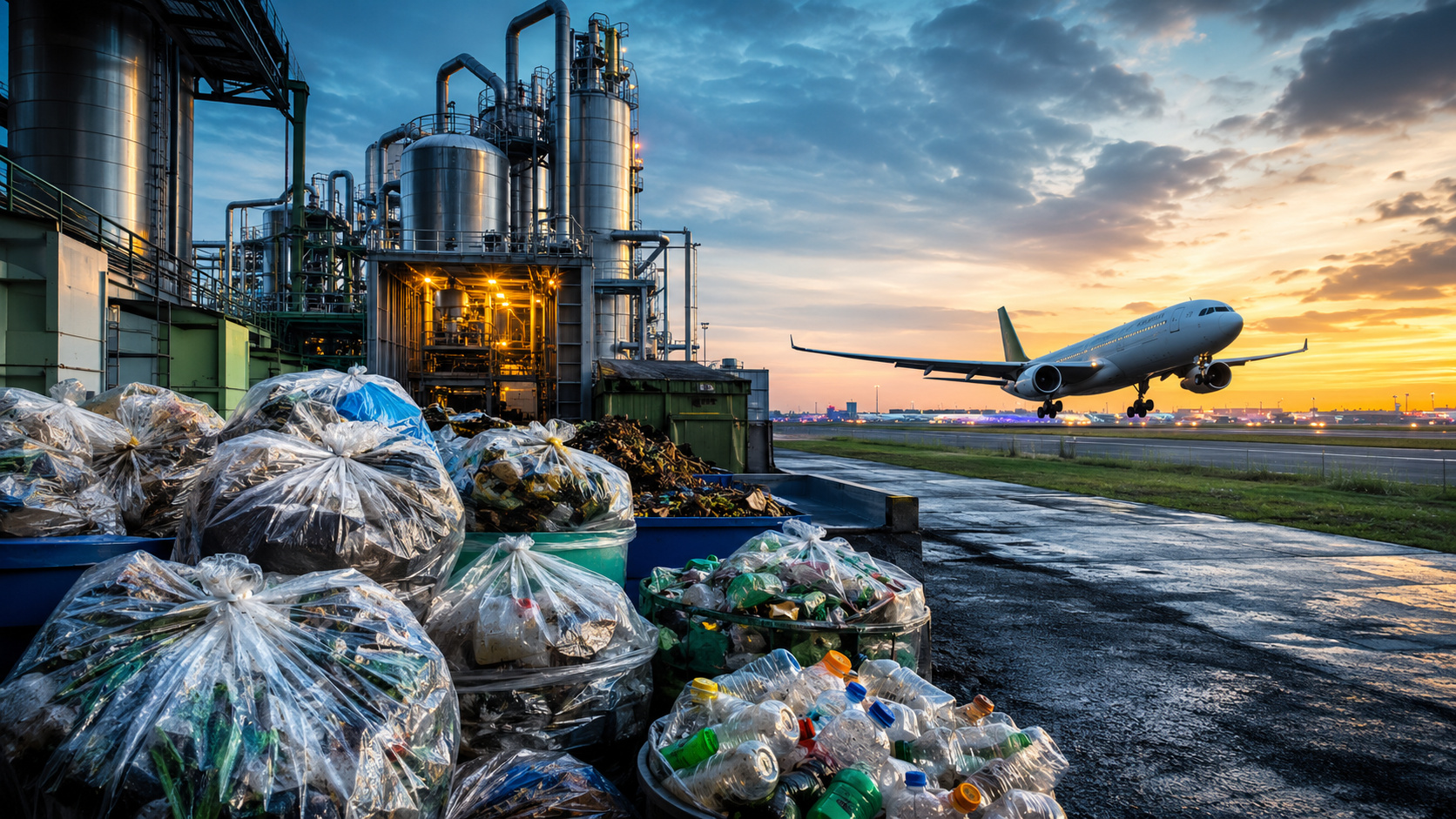
Qantas and Airbus Invest in Company Aiming to Convert Unsorted Household Trash into Jet Fuel

-
Brazil’s ANP Opens 86 New Oil Blocks in the Equatorial Margin, Expanding the Amazon River Mouth Frontier

-
OPEC+ Boosts Oil Supply by 188,000 Barrels per Day in July 2026, Leading to Price Drop from $112 to $89 per Barrel in Under Two Months
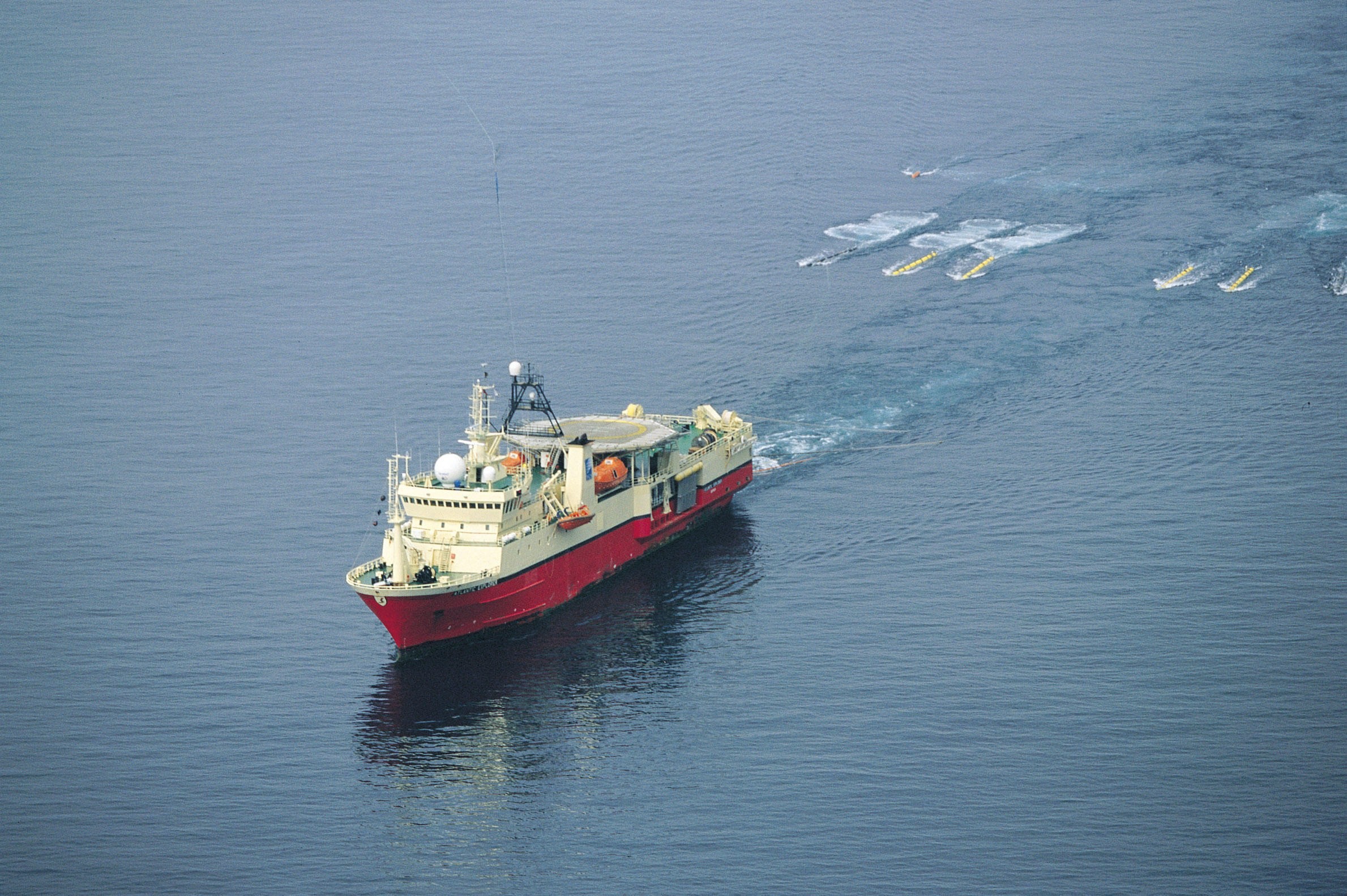
Petrobras Advances in Drilling Well at the Mouth of the Amazon and Sees Growing Acceptance in Amapá
Victer also highlighted that the drilling of Petrobras’s first well in the Mouth of the Amazon Basin, known as Morpho, “is going very well.” According to him, the project has been better received by the population of Amapá, especially after the public stance of the Minister of the Environment, Marina Silva.
“Perhaps what reassured everyone was Minister Marina’s testimony. It was the testimony that calmed many people when she stated that the license was granted based on technical criteria,” he explained.
The manager emphasized that there is a positive expectation in the region, although he reminded that drilling does not guarantee discovery of oil. Still, Petrobras considers the project a strategic milestone for the country’s energy future.
Petrobras Study Indicates Significant Economic Impact with Oil Exploration in the Equatorial Margin
During the same event, Daniele Lomba, general manager of Environmental Licensing at Petrobras, presented a simulation with projections based on discoveries already made in Guyana, which shares the new oil frontier of the Equatorial Margin.
The numbers indicate that a potential discovery of oil off the Brazilian coast could generate 2.1 million direct jobs, R$ 419 billion added to the national GDP, in addition to R$ 25 billion in taxes and R$ 20 billion in royalties and special participations. For comparison, the current GDP of Amapá is approximately R$ 23 billion.
These data reinforce the transformative potential of the activity, which can boost the regional economy and contribute to the reduction of energy poverty in the North of the country.
Fluminense Model Inspires Proposal for Fund to Apply Oil Royalties in Amapá
Victer emphasized that the creation of state or municipal funds is an efficient way to link oil resources to environmental and social policies, citing the success of Fecam.
“Fecam allocates a portion of the oil royalties to invest in the environment. It is a fund that worked, helped with several projects, such as the subway, which mitigates fossil emissions,” Victer said, recalling his experience as the state secretary of Energy in Rio de Janeiro between 1999 and 2006.
He also argued that each state should adapt the model according to its needs and priorities, being able to apply part of the revenues in basic sanitation, forest preservation, solid waste management, and urban drainage.
“You can create in some municipalities that will receive resources and link whatever comes in specifically to the preservation of forests, sanitation, or landfills,” the executive added.
Sergipe Also Plans Fund with Petrobras Resources for Environmental Actions
In addition to Amapá, Sergipe is discussing a similar proposal. The state seeks to use resources from the Sergipe Deep Waters 1 and 2 (Seap 1 and Seap 2) projects, conducted by Petrobras, in initiatives aimed at environmental preservation and basic sanitation.
According to Victer, the plan was developed by FGV and is in the public consultation phase. He describes the debate as “modern and necessary,” highlighting that the success of these funds largely depends on good management and transparency in the application of resources.
“This is a modern discussion and there is a Fluminense model that worked. Of course, there is always the discussion of whether it was well applied or not, but it is a matter of management,” the executive concluded.