Portuguese
  Spanish


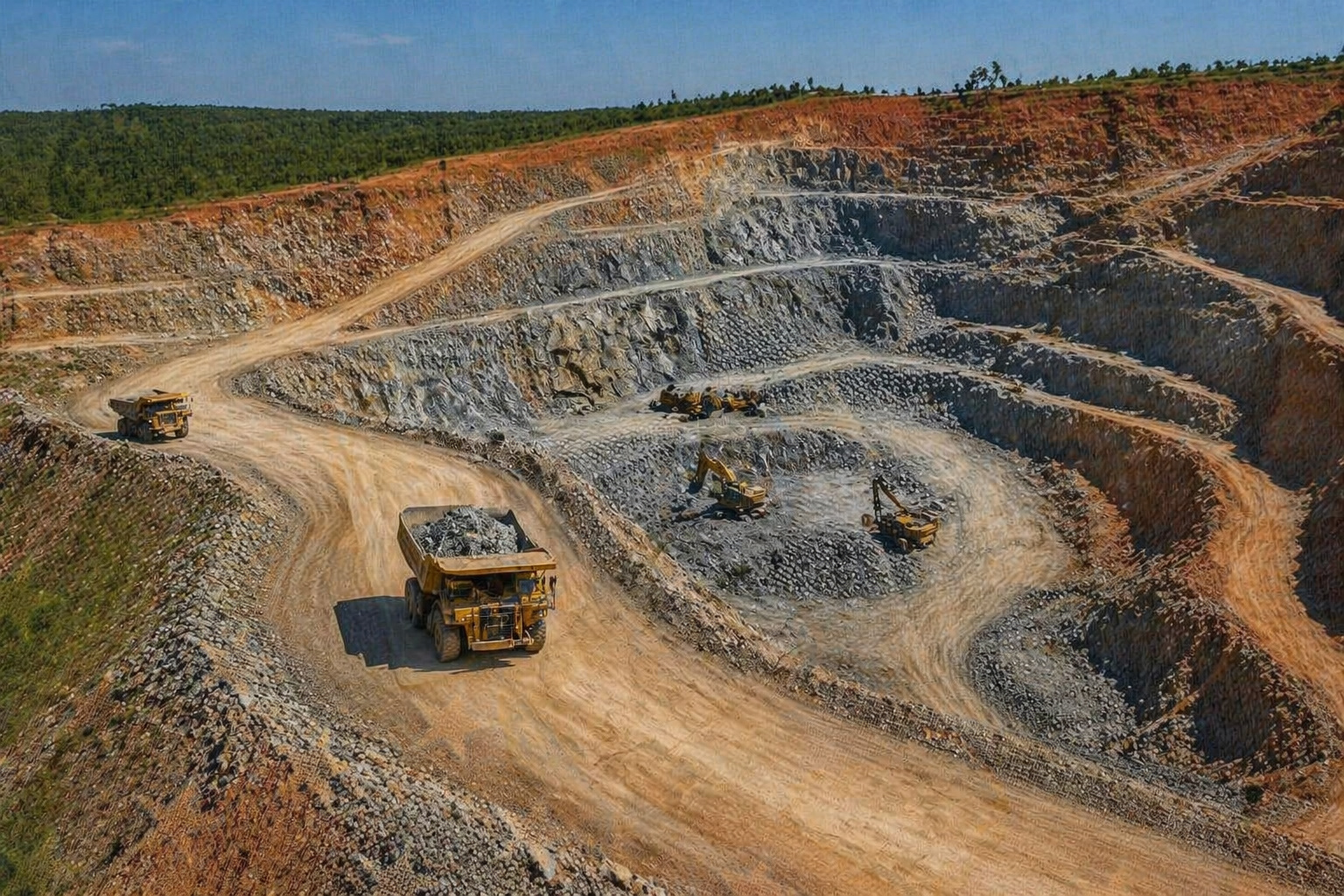

The acquisition of the only rare earth mine in operation in Brazil by a company from the United States marks a new chapter in the global competition for strategic minerals. In a deal valued at around R$ 13.9 billion (US$ 2.8 billion), the American company USA Rare Earth (USAR), listed on Nasdaq, announced the purchase of 100% of the Serra Verde Group, responsible for the Pela Ema mine in Goiás.
In addition to representing one of the largest recent investments in the Brazilian mineral sector, the move reinforces, above all, the growing importance of rare earths in the energy transition and global geopolitics.
What is behind the purchase of Serra Verde
The acquisition occurs in a context of international competition for more secure and less Asia-dependent supply chains. Currently, China accounts for about 90% of the global production of processed rare earths, which, in turn, concentrates control over prices and supply of these materials.
-
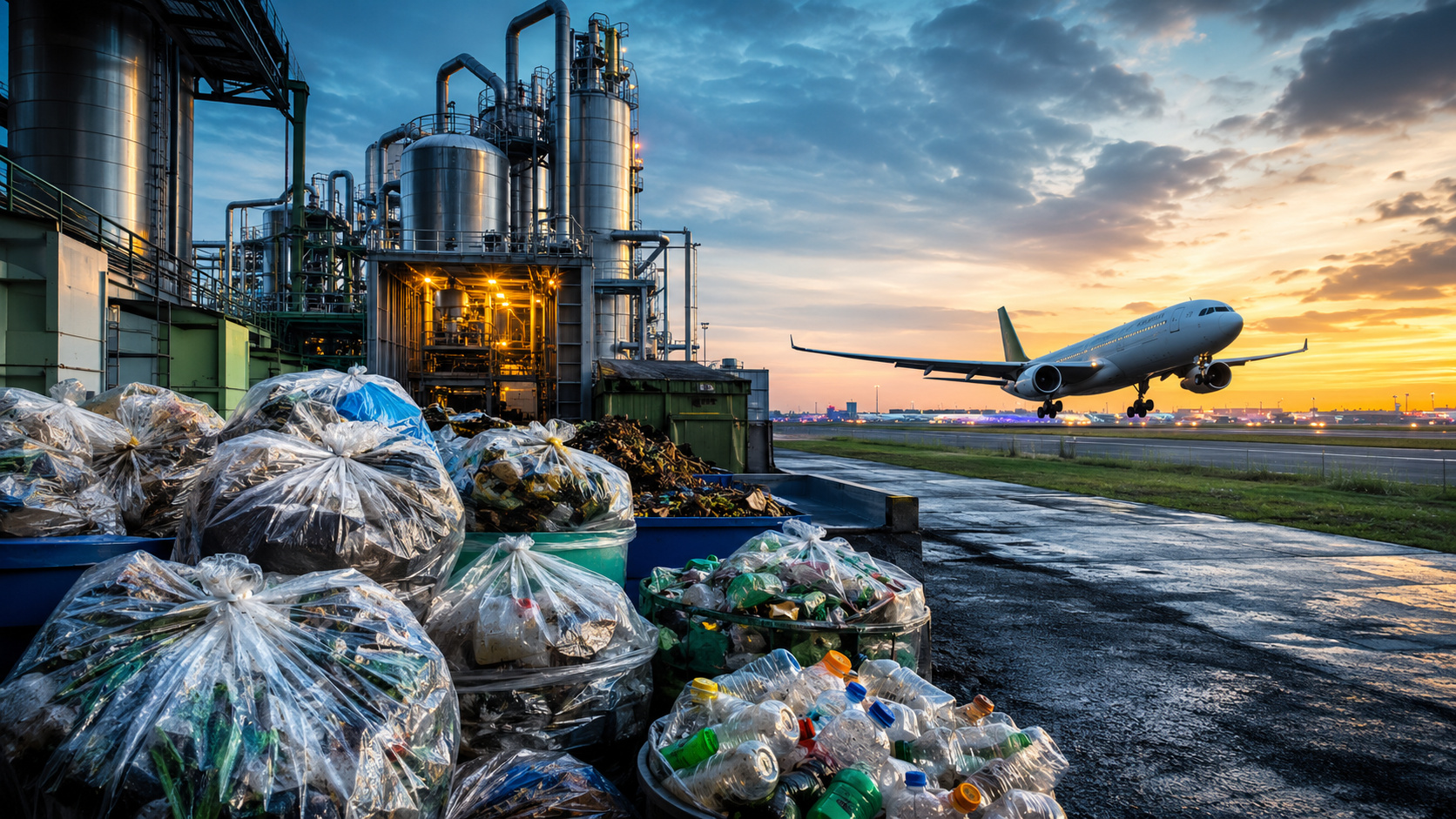
Qantas and Airbus Invest in Company Aiming to Convert Unsorted Household Trash into Jet Fuel

-
Brazil’s ANP Opens 86 New Oil Blocks in the Equatorial Margin, Expanding the Amazon River Mouth Frontier

-
OPEC+ Boosts Oil Supply by 188,000 Barrels per Day in July 2026, Leading to Price Drop from $112 to $89 per Barrel in Under Two Months

-
TotalEnergies Signs 20-Year Deal to Purchase 2 Million Tons of LNG from Alaska, Boosting Project Viability



In light of this, countries like the United States have intensified investments in strategic assets around the world. In this scenario, the purchase of Serra Verde emerges as a direct move to reduce this dependence and strengthen a production chain outside the Asian axis.
According to a statement from the company itself, the goal is to build an integrated global operation that involves everything from mining to the manufacturing of permanent magnets — essential components for various technology industries.
Why the Brazilian mine is strategic
The relevance of Serra Verde goes far beyond its location. This is because it is currently the only ionic clay mine in operation in Brazil and one of the few outside Asia capable of producing heavy rare earths at a commercial scale.
Among the main elements extracted are:
- Disprosium (Dy)
- Terbium (Tb)
- Yttrium (Y)
These materials are considered critical because they are used in the manufacturing of high-value-added technologies, such as:
- electric vehicles
- wind turbines
- semiconductors
- defense systems
- robotics and artificial intelligence
In other words, in addition to their economic value, these raw materials play a central role in the so-called future economy.
To better understand the importance of these minerals, you can check out this guide from the European Commission on critical raw materials.
Business Structure and Financial Impact
The agreement provides for a payment of $300 million in cash, in addition to the issuance of shares of USAR itself, totaling approximately $2.8 billion.
Furthermore, the operation includes a 15-year supply contract for 100% of the initial production from the mine, with guaranteed minimum prices — which consequently increases revenue predictability and reduces risks for the project.
Another relevant point is the direct support from the United States government, which had already structured billion-dollar financing for the sector. This highlights that the movement is not just business-related, but also strategic from a geopolitical perspective.
Brazil Enters the Global Rare Earth Radar
With this acquisition, Brazil takes on an even more significant position on the global map of critical minerals. The country has the second-largest reserve of rare earths in the world, surpassed only by China, which naturally attracts the interest of major economic powers.
At the same time, the Brazilian government is already discussing ways to increase control over these resources, including the possibility of creating a state-owned company focused on rare earth exploration.
This scenario raises an important debate: to what extent should the country prioritize the export of resources or invest in local industrialization and value addition.
Production Expected to Grow and Attract New Investments
Currently, the production at the Pela Ema mine is still in the initial phase. However, there is an expectation of significant expansion in the coming years, with the possibility of doubling capacity by 2030.
Additionally, estimates indicate that production could reach around 6,400 tons per year of rare earth oxides by 2027, consolidating the project as one of the main ones outside of Asia.
As a result, the trend is that new investments in research, infrastructure, and processing will advance in the country, especially if there are public policies aligned with the development of the sector.
Rare Earths: The New Oil of the Global Economy?
Increasingly, experts point out that rare earths may play a role similar to that of oil in the 20th century. This is because these elements are essential for technologies that support energy transition and the digitalization of the economy.
To delve deeper into the topic, it is worth checking this report from the International Energy Agency (IEA) on critical minerals.
In this context, ensuring access to these resources has ceased to be merely an economic issue and has become a strategic priority for governments around the world.

What changes for Brazil and the global market
The purchase of Serra Verde is not just an isolated transaction. On the contrary, it signals a structural change in the global critical minerals market.
On one hand, Brazil gains relevance and attracts international investments. On the other, it increases the debate about sovereignty, industrialization, and the strategic positioning of the country in this new scenario.
Furthermore, the operation reinforces the trend of reorganizing global supply chains, with countries seeking to diversify suppliers and reduce geopolitical risks.
What to expect from the next moves
The evolution of this market will depend on factors such as:
- advancement of the energy transition
- industrial and mineral policies in Brazil
- geopolitical competition between the United States and China
- investments in technology and processing
Thus, although the scenario is still under construction, the acquisition of Serra Verde already indicates that Brazil could become one of the protagonists in the new economy based on critical minerals.