






 4 min of reading
  0 comments


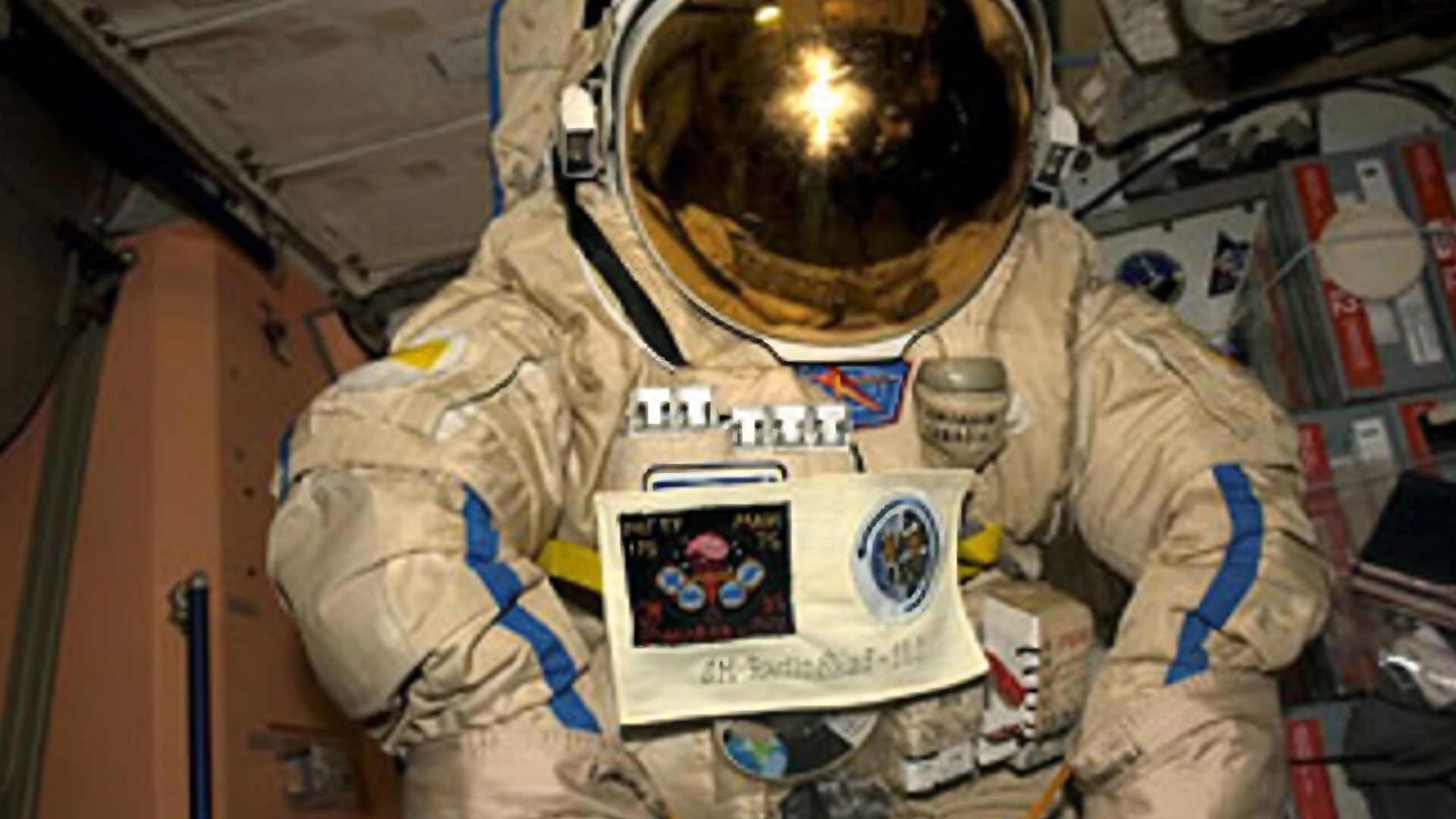
In 2006, a retired Russian space suit was launched from the ISS as an improvised satellite, transmitted radio messages, and became one of the most curious experiments of the space era.
On February 3, 2006, astronauts from the International Space Station pushed into space an object that looked, from a distance, like a human being abandoned in the void. But there was no one inside. It was a retired Russian Orlan space suit, transformed into an improvised satellite and manually launched into orbit around the Earth. The experiment became known as SuitSat-1 and quickly became one of the strangest experiments ever conducted in space.
Instead of being discarded as simple orbital debris, the suit was equipped with a radio transmitter, internal sensors, and batteries, functioning as a small educational and communication laboratory as it drifted away from the ISS.
SuitSat-1 was born from a retired Russian space suit that would be discarded
The suit used in the project had reached the end of its useful life for spacewalks. Instead of simply abandoning it as trash, the team decided to repurpose it creatively. The Orlan was filled mainly with old clothes and adapted with electronic equipment, gaining one last mission before disappearing into orbit.
-
Dissatisfied with seeing laptop batteries go to waste, a man collects more than 650 units and transforms the electronic waste into a solar energy storage bank to power his house.

-
Accessible only by boat, an old house from 1862 is up for sale for R$ 19.4 million in the USA with a famous artist’s studio, pier, and over 10 preserved hectares.
-
Scientists create the world’s first nuclear clocks and open a new frontier in time measurement

-
Alcohol consumption will decrease in the next decade, says a study revealing a silent transformation in the habits of millions of people worldwide.





This decision turned a technical discard into an experiment that mixed education, amateur radio, and space repurposing. The result was visually striking: an empty suit, with a human form, floating alone above the planet as if it were a “ghost astronaut.”
The scene drew attention precisely because it seemed like science fiction, but it was real. An unoccupied suit, launched from the station, orbited the Earth as an improvised satellite built from retired equipment.
Astronauts launched the suit manually during a spacewalk on the ISS
The SuitSat-1 was released during an extravehicular activity of Expedition 12. The operation was carried out by Bill McArthur and Valery Tokarev, who carefully pushed the suit away from the station during the spacewalk.
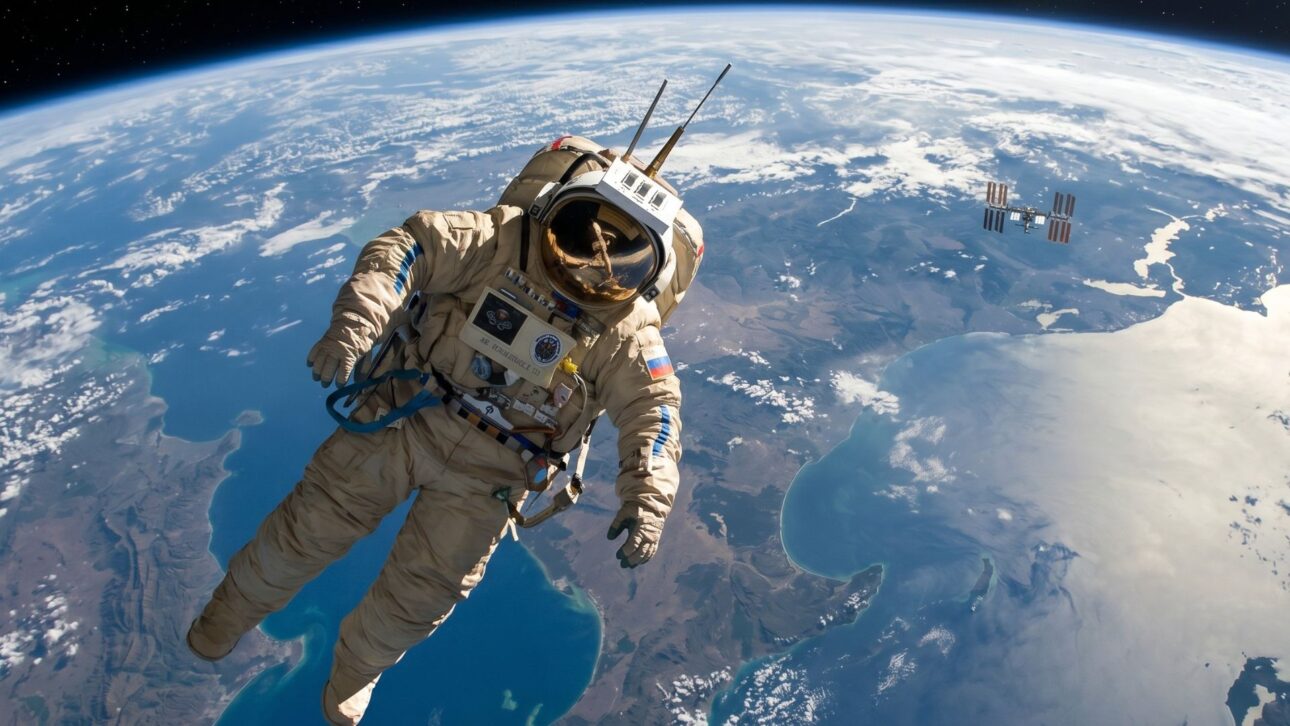
The moment generated one of the most unusual images in the history of the ISS. The human figure slowly moving away from the station gave the impression that an astronaut had been abandoned in space, when in fact it was a planned experiment.
This detail helped turn the project into a much-remembered episode in recent space history. The visual impact was as strong as the idea itself: using an old spacesuit as an experimental orbital platform.
Spacesuit began transmitting messages on 145.990 MHz to radio amateurs
Shortly after release, the suit began functioning as a transmitter. The SuitSat-1 sent telemetry and recorded messages that could be picked up by radio amateurs and students in different regions of the planet as it passed over their areas.
The frequency used was 145.990 MHz, a band that allowed the experiment to be followed with appropriate radio equipment. One of the most well-known messages began with the identification of the project itself, turning the suit into a kind of educational orbital transmitter.
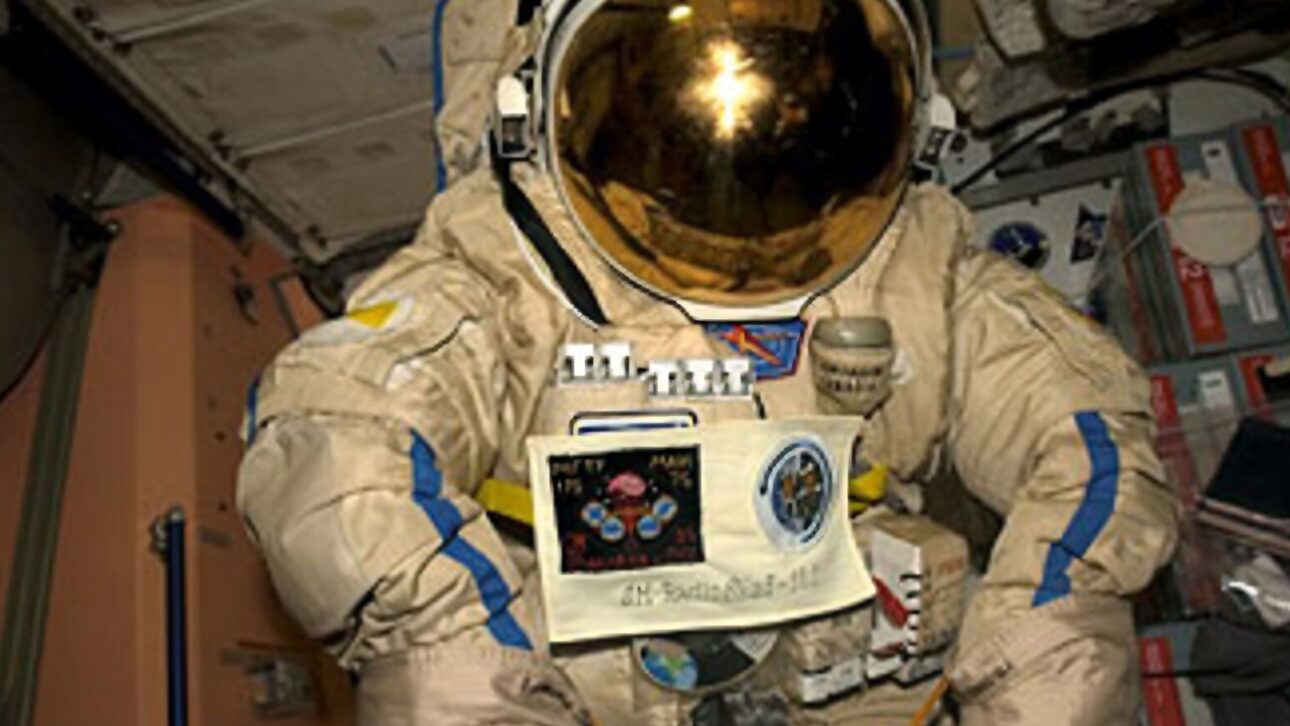
This point was central to the proposal. The SuitSat was not launched just as a visual curiosity. It also had a goal of scientific outreach and engagement, allowing people on the ground to participate in the mission by listening to its signals.
Mission of SuitSat-1 quickly lost strength, but became one of the most curious experiments of the ISS
Although the concept was striking, the performance of the radio system did not go exactly as expected. The signals quickly became weak, and the experiment ended up having a more limited transmission duration than initially planned.
Even so, the project had already secured its place in the memory of the space age. What made SuitSat so remarkable was not just the operating time, but the unlikely combination of reusing a Russian Orlan suit, radio communication, and the image of an empty body floating alone in orbit.
That is why the episode continues to be remembered to this day. Few space experiments have managed to mix such a strong visual strangeness, technical simplicity, and educational appeal in a single operation.
SuitSat-1 showed how a space discard became a symbol of orbital creativity
SuitSat did not discover planets, did not land on another world, and did not change known physics. But it became one of the most peculiar experiments ever conducted outside Earth precisely by transforming a retired piece of equipment into something new, useful, and memorable.
Instead of disappearing discreetly as waste, the old suit gained one last function in orbit. It became a satellite, transmitter, and piece of scientific outreach. The project showed that even in a highly technical environment like the ISS, there is still room for creative solutions and unusual experiences.

In the end, what remained was the image of an empty spacesuit drifting alone above the Earth, transmitting signals to anyone who could hear it. A simple experiment in structure, but powerful in visual and symbolic impact.






Be the first to react!