Portuguese
  Spanish


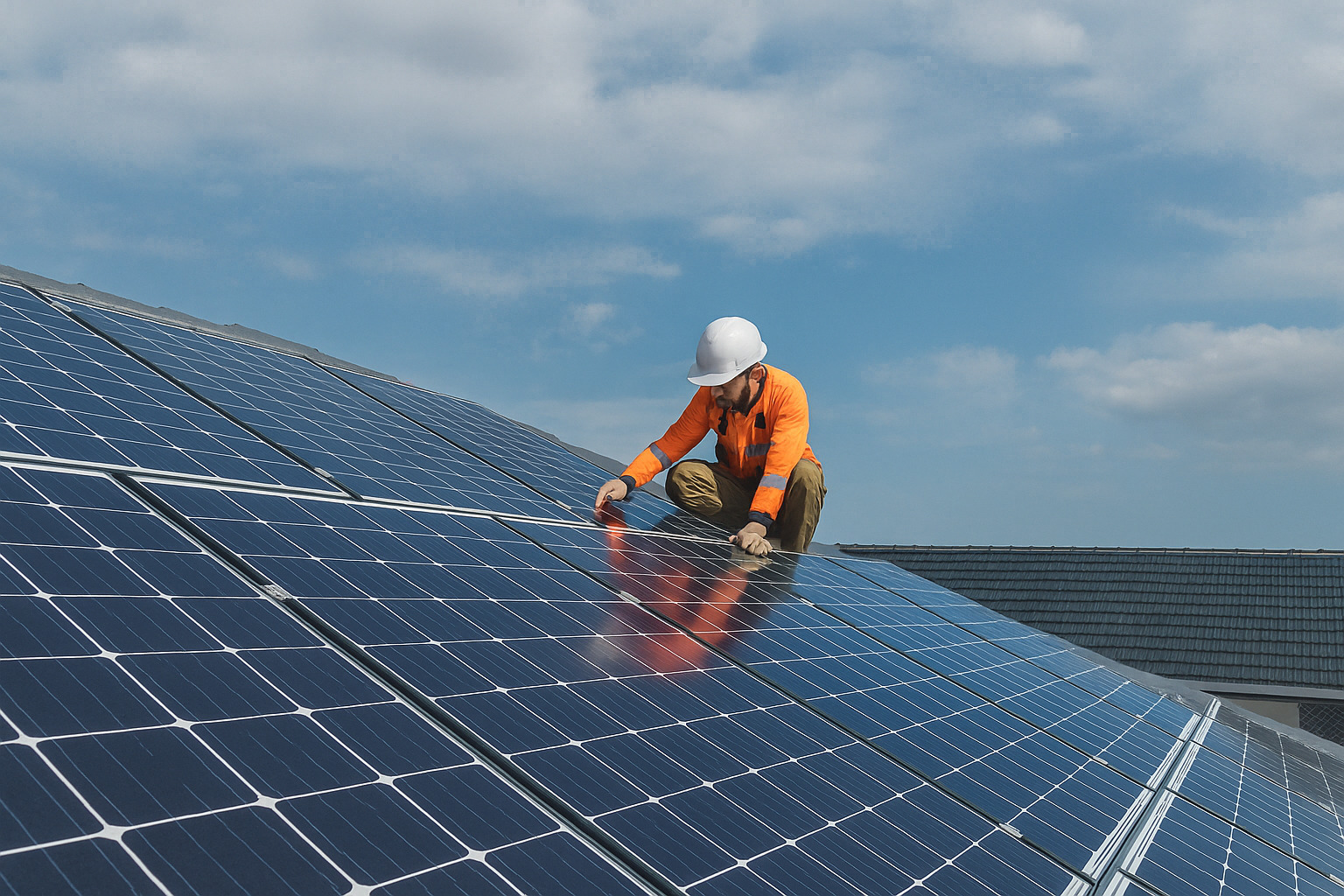


Understand How Excess Solar Energy in the Electric System Concerns Aneel and Requires Actions to Prevent Blackouts and Maintain Supply Security.
The growth of solar energy in Brazil has undoubtedly brought numerous benefits. However, it has also generated significant challenges for the national electric system.
Therefore, the National Electric Energy Agency (Aneel) recently scheduled a meeting to discuss the excess solar energy in the electric system. A concern that started to become critical as distributed generation (GD) expanded rapidly.
Thus, the meeting aims to find alternatives to prevent blackout risks and ensure the energy security of the country.
-
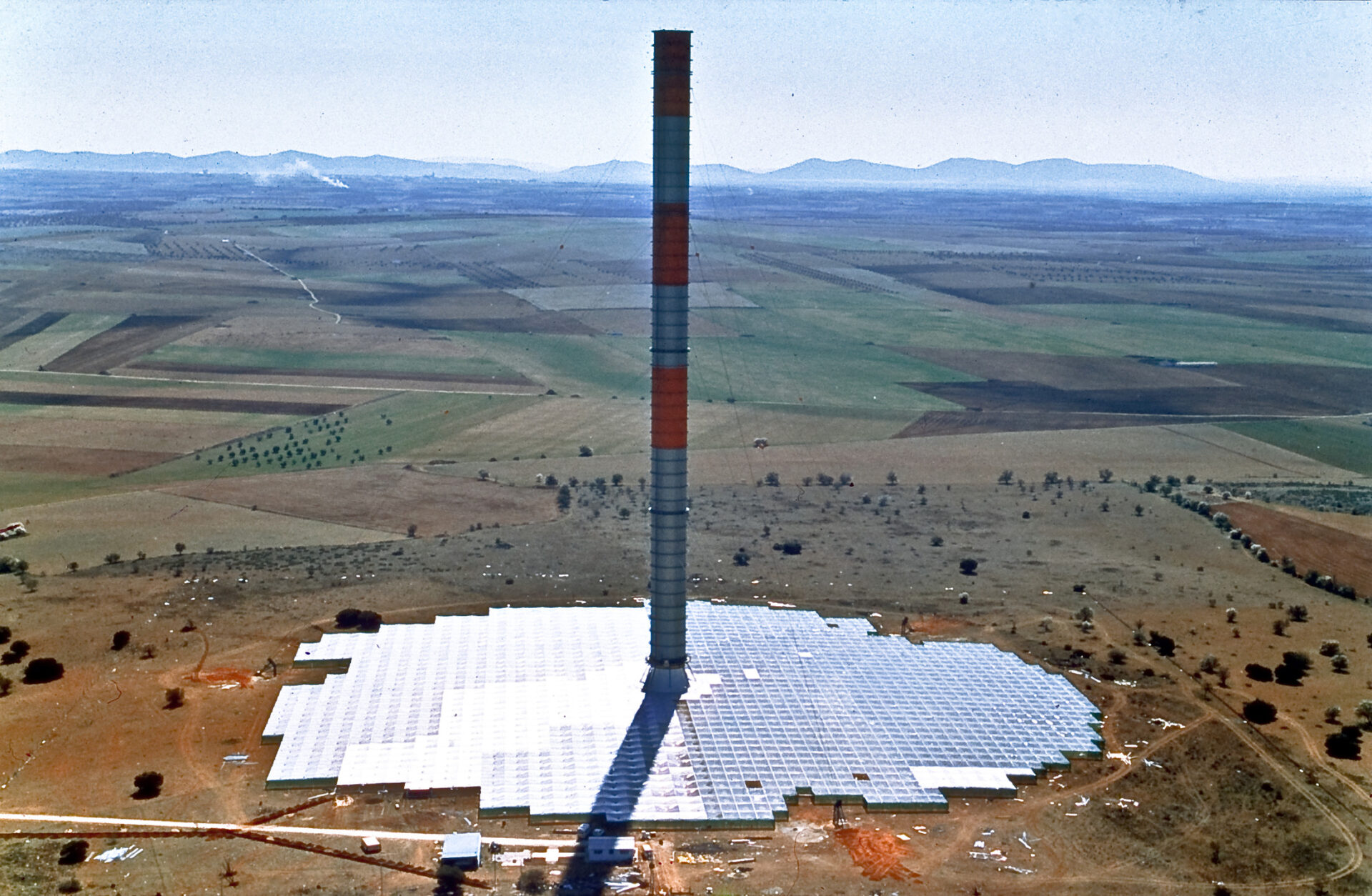
Solar Chimney in Spain Harnessed Sun to Generate Electricity for 7 Years Without Burning Fuel

-
Solar energy reaches 55 GW, becoming the second largest power source in Brazil’s energy mix

-
Solar energy can increase property value by up to 10% and become a selling point.
-
Solar and wind energy surpass natural gas for the first time in the world and accelerate energy revolution

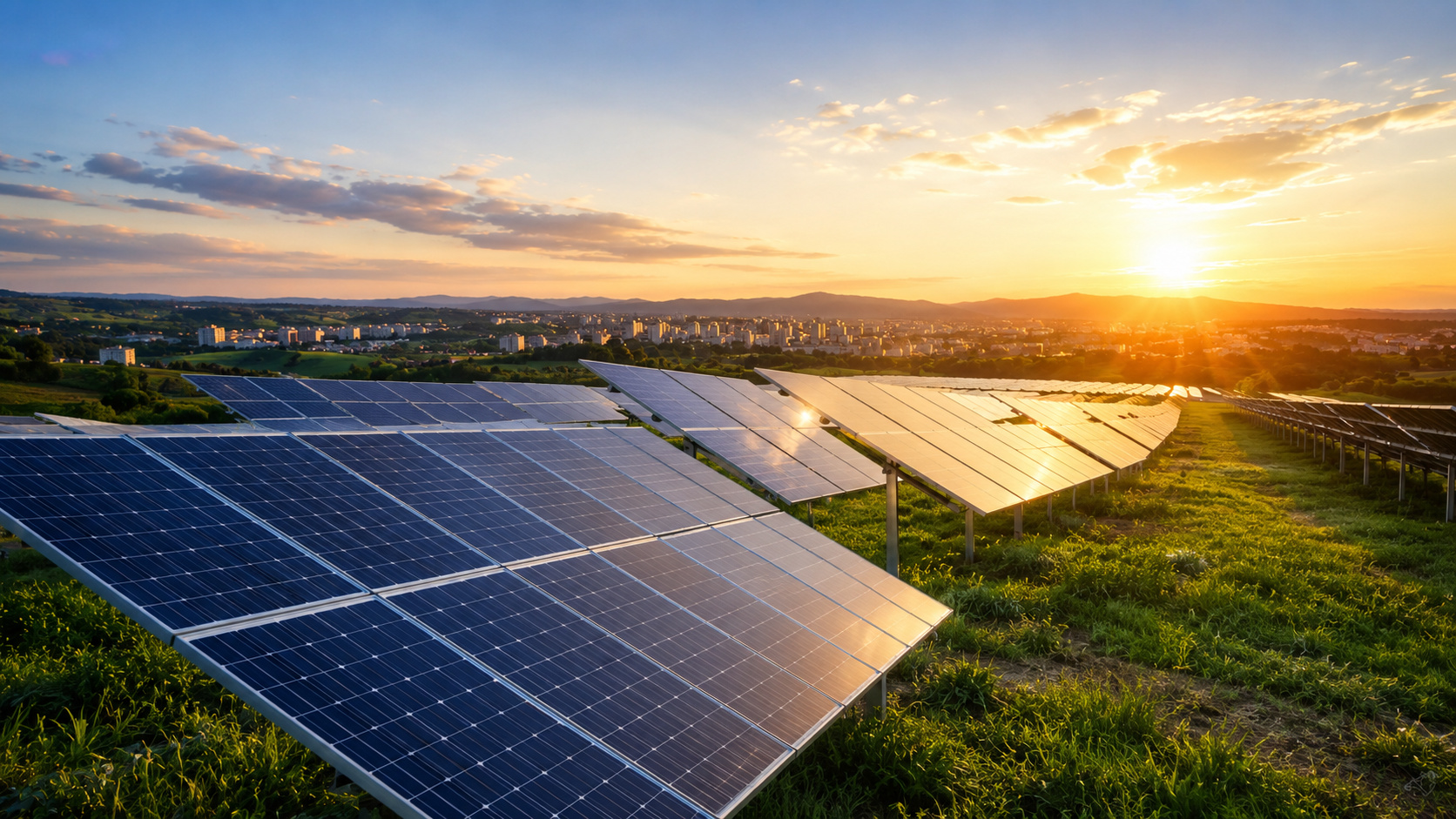


The distributed generation (GD) emerged with the goal of democratizing access to clean energy. Allowing residential consumers, small businesses, farms, and even industries to produce part of their own electricity.
Initially, the idea was to meet local demands and reduce the pressure on large distributors. However, with technological advances, falling costs of photovoltaic equipment, and tax incentives, the sector experienced rapid expansion.
Today, most of the GD is solar photovoltaic, and it is estimated that over 43 gigawatts (GW) of this modality are in operation in Brazil, with approximately 95% coming from solar energy.
In recent years, Brazil has established itself as one of the countries with the highest growth in distributed solar energy in the world.
This expansion has resulted mainly from incentive policies, accessible financing lines, and the popularization of technology.
However, this rapid growth has brought to light issues that were previously overlooked. Such as the ability to integrate solar energy into the national electric system without compromising supply reliability.
Therefore, it is clear that new strategies are needed to balance the system.
History of Distributed Generation and Challenges for the Electric System
Historically, the Brazilian electric sector was structured to deal with large centralized power plants, such as hydropower plants, thermal power plants, and, more recently, wind farms.
Moreover, the system was planned so that the National System Operator (ONS) controlled and balanced the supply and demand for energy efficiently.
However, the expansion of distributed solar energy has presented a new challenge: a large part of energy production is neither centralized nor under the direct control of the ONS.
Consequently, at certain times of the day, especially at noon, when the sun reaches its peak, solar production can represent almost half of the energy consumed in the country. Creating supply peaks that destabilize the system.
The risks of excess solar energy in the electric system have become evident in critical situations. Such as in May and August when the system experienced high-tension moments due to solar production overload.
For example, on Father’s Day, nearly 40% of the country’s generation came from distributed solar panels, necessitating emergency operations to prevent blackouts.
These episodes show, therefore, that while solar energy is clean and renewable, its integration into the electric system requires constant planning and monitoring.
Hence, there is a concern about social justice and the concentration of benefits, as a large part of GD investors are higher-income consumers, while poorer populations bear the indirect costs.
Economic and Operational Impacts of Excess Solar Energy
The concept of curtailment, or forced production cuts, highlights the impacts of excess solar energy.
When production exceeds demand, other plants must temporarily reduce their generation to avoid overload and blackouts.
This process leads to price fluctuations, financial losses for companies, and the activation of thermal plants when the sun is not available, increasing costs and carbon emissions.
Therefore, the excess solar energy in the electric system, despite being sustainable, creates concrete challenges in operation, economics, and the environment.
To address this situation, Aneel has summoned representatives from the electric sector, including generation, distribution, and consumer associations, to discuss emergency solutions and long-term policies.
Among the entities involved are Abeeólica, representing wind energy; Abradee, from distributors; Abrage, from generators; Apine, from independent producers; plus consumer associations like Anace and Abrace.
Thus, the meeting aims to create strategies to balance energy supply, reduce blackout risks, and ensure that GD expansion is sustainable.
Historically, Brazil has always sought to balance economic growth with energy security.
The introduction of GD represents a transformation in how energy is produced and consumed, requiring new regulations and controls.
In 2022, Congress approved a law to gradually reduce subsidies for distributed generation, seeking to make the sector more sustainable and less dependent on incentives.
However, there is constant pressure to relax these rules, which reinforces the importance of debates like those promoted by Aneel.
Technologies and Solutions to Integrate Solar Energy
The excess solar energy in the electric system not only represents a technical or economic challenge but also a point of reflection on the energy transition model in the country.
It highlights the need for integrated planning, investment in control and energy storage technologies, and regulations that align the interests of investors, consumers, and the system as a whole.
Therefore, the integration of renewable sources must maximize environmental and social benefits without compromising the stability and reliability of supply.
Another relevant aspect is technological evolution.
Advancements in energy storage systems, such as batteries and hydrogen solutions, can mitigate the effects of excess solar energy, allowing energy generated during peak times to be used later.
Furthermore, the digitalization of the electrical grid and the use of smart grids enable operators to better manage supply and demand, making the system more resilient and capable of absorbing large volumes of distributed energy.
Additionally, new solar generation forecasting technologies contribute significantly.
Advanced systems using artificial intelligence and weather data analysis anticipate production peaks and automatically adjust the operation of other plants, reducing blackout risks and improving system efficiency.
The discussion about the excess solar energy in the electric system also involves sustainability and carbon emission reduction.
Solar energy is clean, abundant, and renewable, but inadequate integration can lead to the emergency use of fossil thermal plants, contradicting environmental goals.
Thus, balancing distributed production, system control, and economic incentives is essential for ensuring that solar energy expansion effectively contributes to the decarbonization of the Brazilian electric sector.
Paths to a Safe and Sustainable Electric System
In summary, Aneel’s meeting marks an attempt to harmonize the growth of distributed generation with the safety of the national electric system.
The excess solar energy in the electric system presents operational, economic, and social challenges that require immediate attention.
By discussing policies, subsidies, strategic cuts, and storage technologies, the country seeks to ensure that the energy transition is simultaneously sustainable, safe, and equitable.
Distributed solar energy represents the future of the Brazilian electric matrix.
However, only with planning, regulation, and technological innovation will it be possible to harness its full potential without jeopardizing supply stability.
Thus, observing warning signs, maintaining dialogue among all sector players, and implementing smart solutions is crucial for ensuring that GD expansion continues to benefit consumers, investors, and society as a whole, preventing blackouts and strengthening the electric system for the coming decades.