






 Portuguese
  Spanish


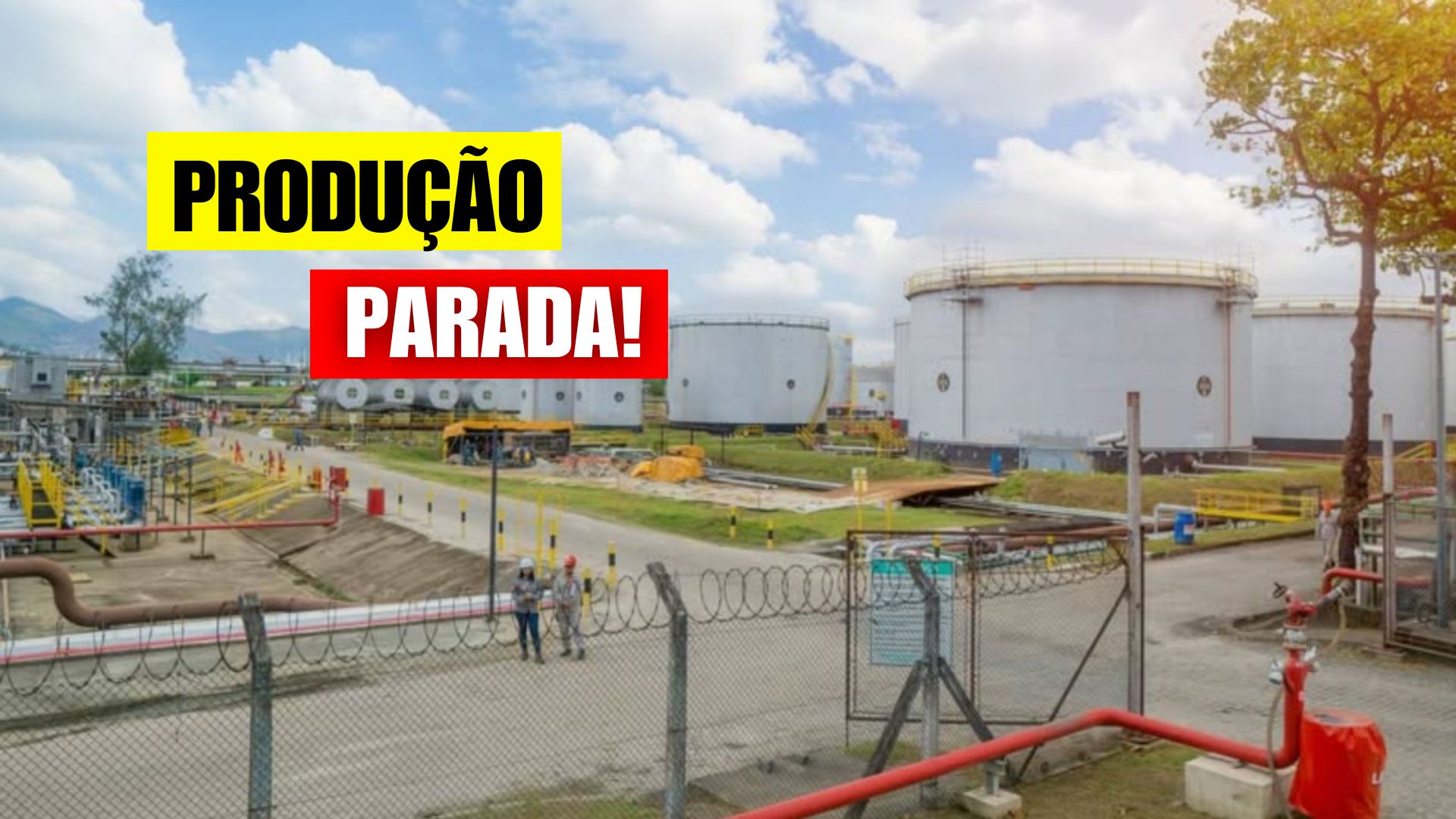


ANP Interdiction Halts Manguinhos Refinery in Rio, Causes Million-Dollar Loss to Refit and Creates Tension Between the Company and the Regulatory Agency. The Dispute Involves Fraud Allegations and Direct Impact on Thousands of Jobs.
The National Agency of Petroleum, Natural Gas and Biofuels (ANP) has interdicted, on September 26, 2025, the facilities of the Manguinhos Refinery (Refit) in Rio de Janeiro, after an inspection revealed signs of irregularities in the fuel chain.
The company claims to suffer a gross loss of R$ 5 million per day and states that the halt affects around 2,500 workers linked to the plant.
The measure is precautionary and remains in effect until the agency clarifies what was found during the operation.
-
Petrobras Approves $1.2 Billion Refinery in Brazil to Produce Aviation Fuel and Diesel from Plants

-
Petrobras Secures $2.2 Billion Contract to Build and Operate Four Support Vessels for Brazil’s Offshore Oil Fields
-
Oil production grows in Rio, but reserve replacement raises a warning sign

-
Petrobras is expected to complete the drilling of the Morpho well in the Foz do Amazonas in August 2026, the first well in the Equatorial Margin, an oil frontier that the ANP estimates at more than 30 billion barrels and could redraw the map of Brazil.




What Motivated the ANP Action
According to the ANP, the interdiction stems from suspicions that include irregular gasoline imports and non-compliance with regulatory and safety requirements.
The agency also reported that there are indications that there would be no effective refining at the unit, a point that Refit contests.
The agency emphasizes that the suspension is indefinite, until the irregularities are rectified.
Furthermore, the agency stated that locked tanks and products cannot be moved or mixed with other flows without express authorization.
The procedure was adopted in conjunction with the Federal Revenue Service, as part of efforts to combat fraud in the fuel chain.
Refit Contests the Operation and Contacts the Federal Police
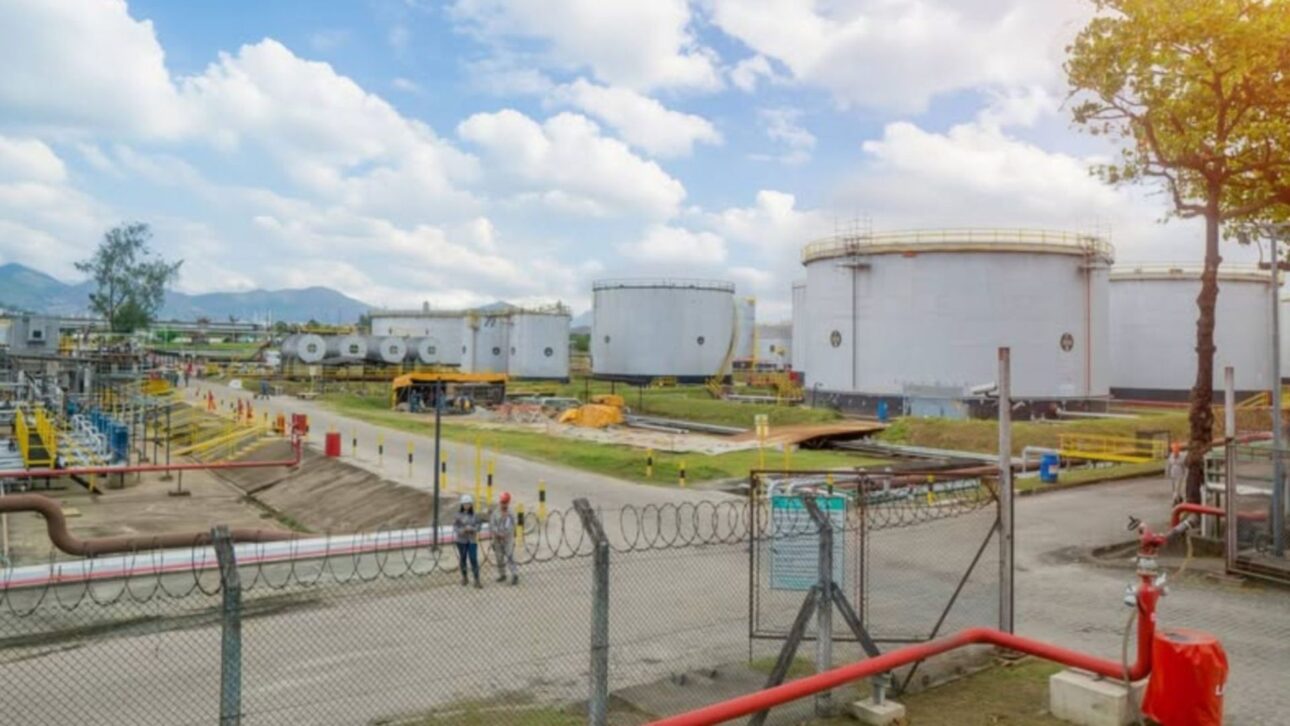
Refit maintains that it complies with regulatory requirements and that the interdiction is disproportionate.
On October 2, the company filed a criminal complaint with the Federal Police against two ANP directors who participated in the inspection, claiming there was a “raid” without prior notice.
In parallel, it submitted a administrative appeal to the agency itself in an attempt to reverse the decision.
The company does not rule out seeking judicial relief with a request for an injunction.
Economic Impact and Uncertainty Among Workers
The company calculates a R$ 5 million gross loss per day due to the halt and associates the risk of impact on 2,500 jobs with the duration of the interdiction.
While the refinery remains shut down, federal authorities assert that there is no risk of fuel shortages in Rio de Janeiro and São Paulo, due to the capacity of other facilities to meet demand.
Monitoring of Inspection and Supply
According to the ANP, the precautionary measure is part of a broader inspection effort conducted during the week of September 22 to 26, in 12 federative units.
In the same communication, the agency stressed that the interdiction of Manguinhos was the highlight of the period and remains valid until the completion of technical investigations.
Refit in Judicial Recovery and Next Steps
Refit is in judicial recovery, information recorded in the official notes from the ANP.
So far, the agency maintains its position that the interdiction remains in effect and is conditioned on clarifying the pointed irregularities.
The processing of the company’s appeal in the administrative sphere has no disclosed timeline, and any judicial measures depend on the initiative of the company itself.


Three Areas of Attention in the Coming Weeks
Attention is focused on three areas.
In the regulatory sphere, the analysis of Refit’s appeal may detail what technical and documentary requirements need to be met for potential release.
In the criminal field, the company’s complaint against ANP officials is likely to advance to a preliminary verification by the Federal Police.
In the operational context, any tests, expert opinions, and counter-evidence on samples and documents should guide the agency’s final decision and the timeline for resumption—or maintenance of the interdiction.
Meanwhile, unions and sectoral bodies monitor possible impacts on local logistics.
The ANP and the federal government reiterate that there are contingency plans to avoid effects on supply, with redistribution from other bases.
Supply engineering, in turn, continues to adjust routes and stocks to mitigate impacts should the halt be prolonged.
Finally, the battle of narratives continues: on one side, the ANP maintains that the interdiction is based on technical indications of irregularities; on the other, Refit claims excess and seeks to reverse the decision through administrative and judicial channels.
As new reports and dispatches come to light, which interpretation should prevail in readers’ opinions: regulatory rigor or excessive intervention?








A ANP tá de trambicagem… a REFIT tem feito gasolina mais barata que a Petrobras…e isso tem tirado o sono da estatal.