






 Portuguese
  Spanish


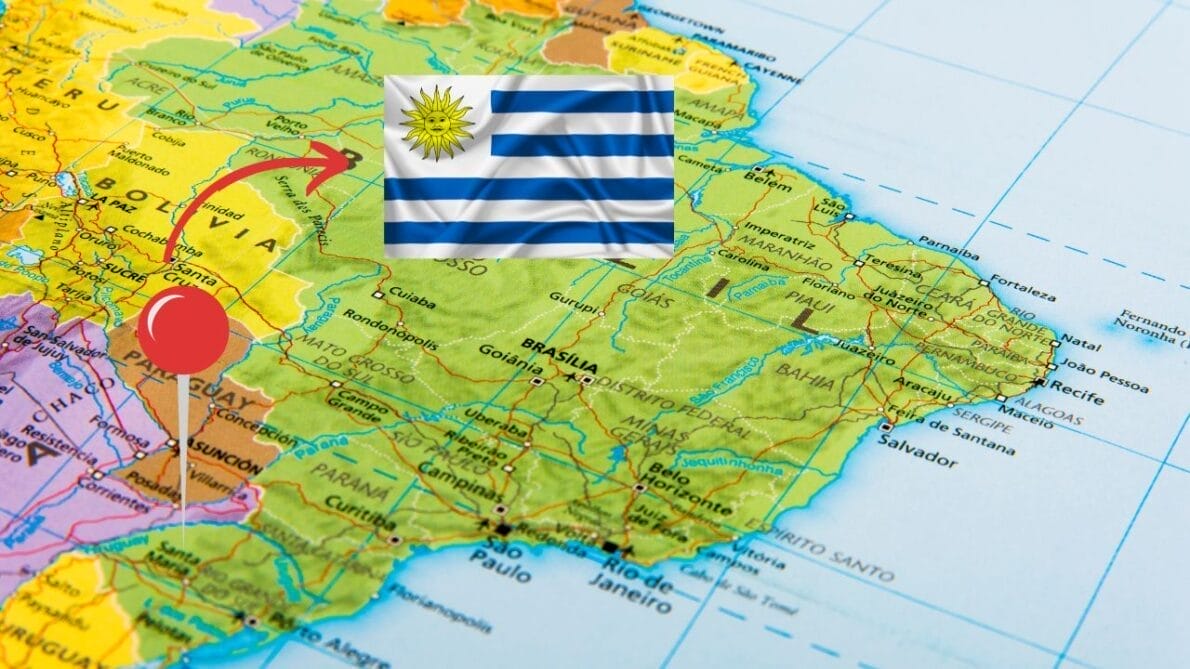

Despite Recent Rumors About A Uruguayan Communique, There Is No Official Confirmation That Uruguay Is Formally Claiming Two Historically Disputed Territories In Brazil — The Village Of Tomás Albornoz And The “Brazilian Island”. These Locations Have A History Of Dispute Dating Back To The Treaty Of 1851, But Both Countries Have Shown Little Interest In Changing The Status Quo, Keeping Negotiations In The Diplomatic And Peaceful Field.
Brazil And Uruguay, Two Neighbors With Interconnected Histories Since The Times Of The Brazilian Empire, Are Once Again In The Spotlight Due To A Territorial Dispute That Has Resurfaced. This Controversy Involves Two Territories: The Village Of Tomás Albornoz And The So-Called “Brazilian Island”.
Tomás Albornoz, A Small Village With About 100 Inhabitants In Santana Do Livramento, Is Officially Part Of Brazil, But Has Services Provided By Uruguay And Is Listed As “Disputed” On Google Maps. The “Brazilian Island”, Uninhabited And Situated At The Mouth Of The Quarai River, Is Also Central To This Dispute. Both Areas Have Their Roots In The Signing Of The Treaty Of 1851, Which Demarcated The Borders Between The Two Countries.
Information Circulated That Uruguay Would Have Issued An Official Communique Expressing Interest In Recovering These Territories From Brazil

Recently, Information Circulated That Uruguay Would Have Issued A Communique Expressing Interest In Recovering These Territories From Brazil, Based On Claims That Geographical Changes Have Altered The Original Location Of These Areas Since The Treaty. However, An In-Depth Investigation Did Not Confirm The Existence Of An Official Communique From The Uruguayan Or Brazilian Government. What Exists Is A Report From The BBC Informing About The Neighboring Country’s Interest In Isolated Areas.
-
The Arctic is no longer just a frozen region and is becoming a new military board with the opening of maritime routes, expansion of bases, nuclear icebreakers, and competition among Russia, NATO, the United States, and China.

-
U.S. Dismisses Brazilian Foreign Ministry’s Military Risk Warning as “Absurd,” Cites Brazilian Criminal Gangs Operating in the U.S. Since May 2026
-
Ukraine War Impacts Brazilian Fuel Supply: Russian Diesel Imports Drop 65% in June, Brazil Turns to US and India Amid Market Concerns

-
Chinese Nuclear Submarine Launches Simulated Warhead Missile in Pacific, Heightening Regional Tensions Amid Naval Drills with Russia Near Qingdao; New Zealand and Papua New Guinea Warn of Persistent Chinese Military Presence



Despite The Existence Of These Disputes, Both Brazil And Uruguay Have Shown Little Interest In Resolving The Matter, Possibly Due To The Isolated And Peaceful Nature Of The Regions Involved. Unless Valuable Natural Resources Are Discovered In These Areas, It Is Unlikely That The Dispute Will Escalate Into An Armed Conflict, As Is The Case With Guyana And Venezuela Over The Essequibo Territory.
Brazil Maintains Its Position That The Treaty Of 1851 Is Valid And Does Not Intend To Cede The Territories. This Situation Reinforces The Complexity Of Territorial Issues In Latin America, Many Of Which Date Back Centuries And Continue To Influence International Relations In The Region.




Vcs estão tentando tirar os holofotes desse governo fracassado.
Não tinha conhecimento dessa desputa de terra Brasil e Uruguaio
Que droga de reportagem. Vocês ganham pra fazer isso?? Falam de disputa de área, e não mostram a área objeto da matéria!!!!