






 Portuguese
  Spanish


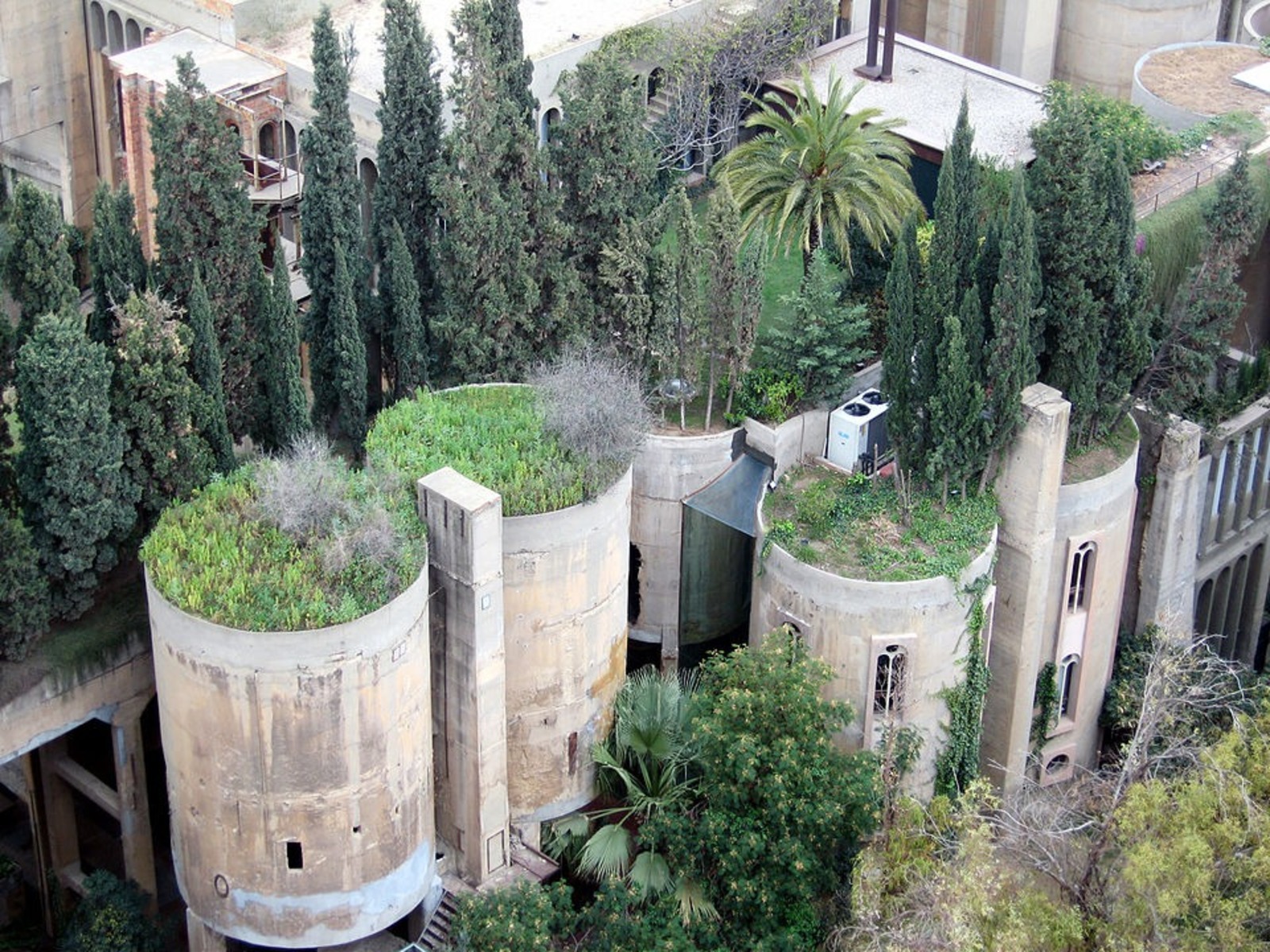


In Barcelona, an old cement factory from the 1920s was transformed by architect Ricardo Bofill into a unique house and studio, blending concrete, vegetation, and industrial history into a masterpiece of contemporary architecture
When it comes to luxury homes, the common image is that of modern, imposing mansions. But in Barcelona, Spain, one building breaks this pattern. An old cement factory has been converted into a unique residence, combining industrial past and contemporary sophistication.
The project is signed by Catalan architect Ricardo Bofill, who saw potential where many only saw ruins.
He found the building in Sant Just Desvern, on the outskirts of Barcelona, in the 1970s. The site, constructed in the 1920s, had over 30 silos and a chimney 105 meters tall.
-
Creative Uses for Toilet Paper Rolls That Will Change Your Perspective

-
Crab Trapped in Plastic Bottle for 62 Days Near Okinawa Highlights Little-Known Impact of Marine Pollution on Small Animals
-
Esperanza’s Bamboo Barrier in Oaxaca Redirects River and Reduces Erosion by 85% in Five Years

-
Family Builds Homemade Wind Turbine to Power Off-Grid Home, Video Reaches 555,000 Views on Ngô Thị Huyền’s Channel





Abandoned Factory: The Rebirth of a Colossus
Decommissioned in the late 1960s, the factory was overgrown with vegetation and in a state of neglect. Still, Bofill decided to purchase it in 1973 and began a deep transformation.
Some structures were demolished, but many were preserved because the architect wanted to respect the original monumentality of the building.
The vertical volumes gave rise to spacious, well-lit areas with high ceilings. Thus was born La Fábrica, a space that combines living quarters, a creative studio, and an inspiring refuge.
A House and a Studio in Harmony
Over time, the old factory became not only Bofill’s residence but also the headquarters of the Taller de Arquitectura, his studio.
The living and working areas blend, creating a creative and functional atmosphere.
There are rooms built within old silos, stairs connecting courtyards and gardens, and corridors crossing original structures.
The exposed concrete — often seen as something raw — gained prominence, contrasting with the lush vegetation that covers part of the facades.
The result is a balanced mix of the natural and the industrial. The plants soften the weight of the concrete walls, creating an environment that conveys serenity, without hiding the building’s past.
Heritage Reimagined
Over the years, the project has been refined and expanded. Today, La Fábrica is considered an international reference in architectural rehabilitation.
The residence has graced the covers of specialized magazines and is studied in architecture universities worldwide.
This type of reconversion goes far beyond aesthetics. It also represents a way of enhancing urban heritage, as it transforms industrial ruins into spaces for contemporary use, preserving the memory of cities.
The Power of Urban Rehabilitation
Choosing to recover rather than demolish is a decision that carries environmental, cultural, and economic benefits.
Moreover, it strengthens local identity and offers creative solutions in the face of urban land scarcity.
Bofill’s intervention clearly illustrates this concept: more than restoring, he reinvented. The old factory became a symbol of a new way of living and designing — sustainable, original, and full of personality.
Abandoned Factory Becomes Housing: A Trend That Expands
The transformation of industrial buildings into residences or cultural spaces is growing worldwide.
In European cities, this trend reflects a search for authenticity and intelligent use of urban space.
The Catalan example shows that, with imagination and courage, even an abandoned complex can be reborn as an icon of modern architecture.
And it confirms that, sometimes, luxury lies precisely in giving new life to what seemed forgotten.
With information from Idealista.


Realmente um projeto colossal e magnifico, mas uma casa precisa de algo mais do que isso. que ela não tem: ACONCHEGO.