






 Portuguese
  Spanish
  3 min of reading
  0 comments


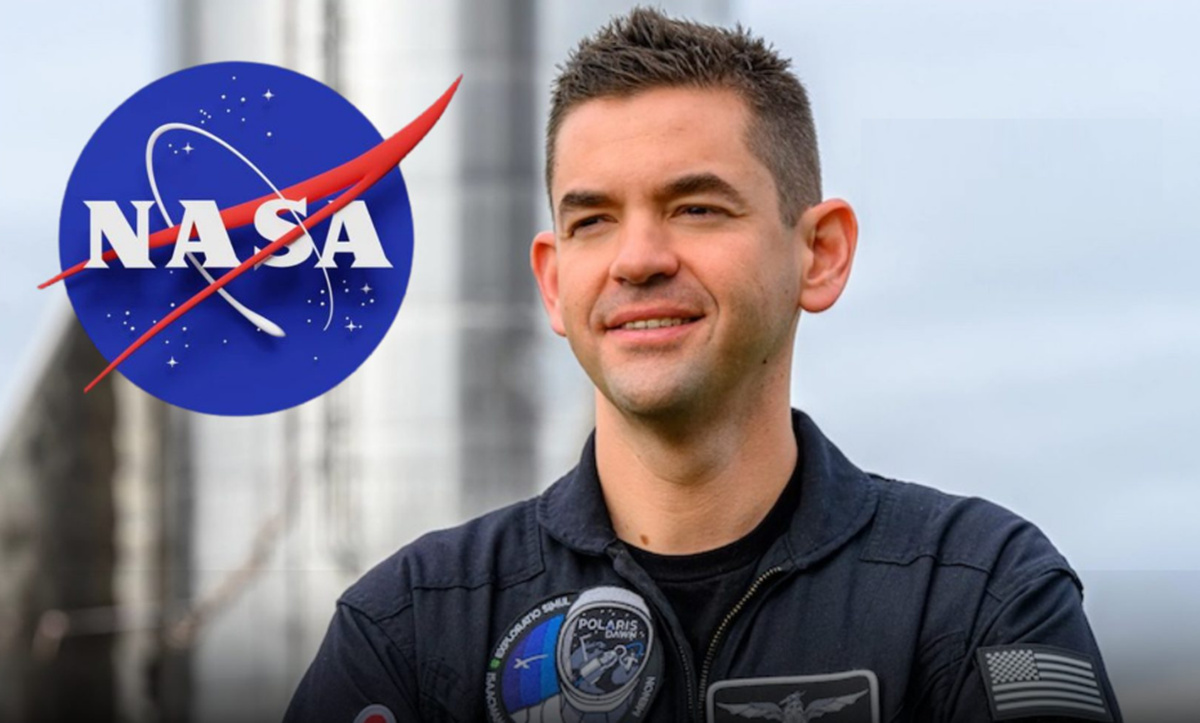
Senate Confirmation on December 17 Puts 42-Year-Old Businessman at the Helm of Space Agency Amid Budget Cuts, Artemis Program Delays, Internal Political Pressure, and Strategic Competition with China for the Moon
The United States Senate approved on Wednesday, December 17, the nomination of billionaire Jared Isaacman, 42, a close associate of Elon Musk, to lead NASA, an agency facing budget cuts and the urgent need to accelerate lunar missions amid strategic competition with China.
The confirmation comes after a period of political instability surrounding the businessman, who had been sidelined by the President of the United States before regaining enough support to formally take over the leadership of the American space agency.
Isaacman takes on the role at a time of significant institutional pressure, with NASA facing substantial budget reductions and direct demands to meet ambitious schedules for crewed space exploration.
-
Brazilian mechanic invented a lamp made from a PET bottle during the 2001 blackout, the idea turned into an NGO present in 30 countries and has already illuminated 40,000 people in 200 communities without electricity in Brazil.

-
The first trillionaire in history, Elon Musk, opens his wallet and pays the equivalent of R$ 306 billion, or US$ 60 billion, for the artificial intelligence programming startup Cursor, in yet another AI investment made through SpaceX, his rocket company.
-
The future of computers may change sooner than expected: Amazon bets on commercial quantum computing within seven years, while qubits, the Ocelot chip, AI, and scientific simulations take center stage in the new race among big techs.

-
What does a Covid-19 vaccine have to do with heart attack and stroke? A study with over 1 million veterans reveals an unexpected link between immunization, the heart, and seniors over 75 years old.




The new head of the agency assumes with the requirement to accelerate missions to both the Moon and Mars, priorities that have undergone recent adjustments as the focus of the United States government has shifted throughout the year.
Change in U.S. Government Priority
After initially signaling a greater emphasis on Mars exploration, the Trump administration strongly advocated for the rapid return of American astronauts to the Moon, a natural satellite where China also expresses landing intentions.
The shift in focus occurs amid increasing geopolitical competition in space, with American officials observing Chinese advancements and successive delays in the Artemis lunar program, NASA’s main initiative for human return to the Moon.
In early December, Jared Isaacman pledged commitment to American victory in the space race, stating before a committee of elected officials that the United States will return to the Moon before its main rival and maintain a permanent presence.
These statements reinforce expectations that his administration will prioritize deadlines and concrete deliverables, especially in projects considered strategic for the country’s foreign and scientific policy.
Pressure on the Artemis Program and SpaceX
At the helm of NASA, Isaacman will have the central task of ensuring that Elon Musk delivers the lunar module contracted for the Artemis program on time, a responsibility that has raised concerns about potential conflicts of interest.
The two maintain a close relationship and have directly collaborated on private space missions, which has amplified public debate over governance and independence in the agency’s decisions.
Recent criticisms in the United States warn that accumulated delays could allow Beijing to advance a crewed lunar landing, increasing pressure on NASA’s new management.
Space Trajectory and Political Ups and Downs
Jared Isaacman has already flown to space twice on missions conducted with SpaceX, and in 2024, he became the first private astronaut to perform an extravehicular activity, a significant milestone in the commercial space sector.
Despite his ties to Elon Musk, he has the support of various actors in the space industry, who describe him as competent and deeply engaged with orbital exploration.
Initially nominated by Donald Trump in December 2024, Isaacman’s nomination was revoked in April, only to be reinstated in early November after a political reconciliation between the Republican president and multibillionaire Elon Musk.





-

-

2 people reacted to this.