






 Portuguese
  Spanish


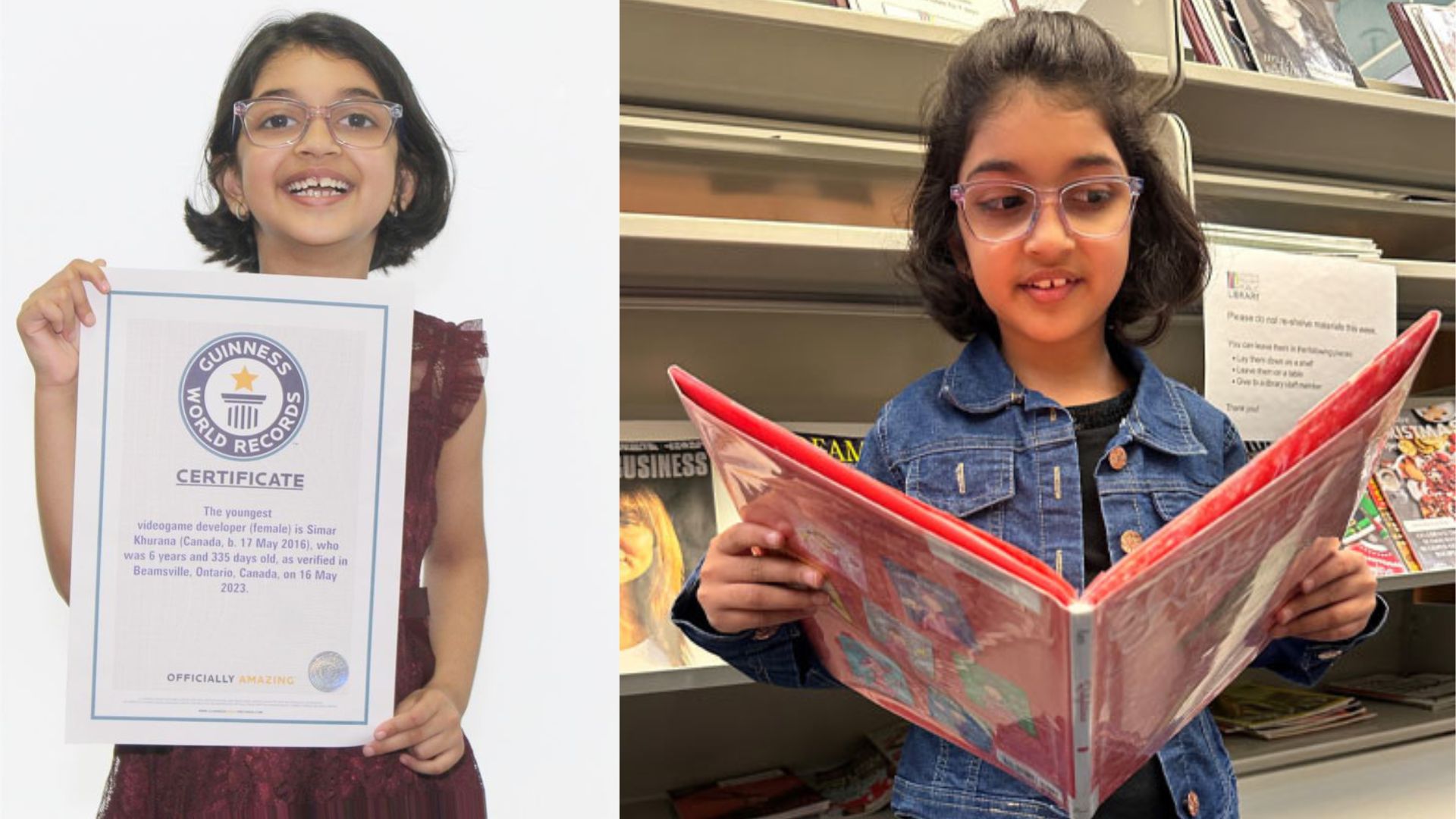


Guinness World Record Highlights Game Created in Canada to Teach Food Choices with Simple Language and Focus on Children, Connecting Technology and Health.
The Canadian Simar Khurana made it into the Guinness World Records after being recognized, at a young age, for developing an educational video game aimed at children, focusing on food choices and the contrast between healthy options and “junk food.”
The record validation took place in Beamsville, in the province of Ontario, when she was 6 years and 364 days, according to the official Guinness record, which describes the project as a game with simple language and a pedagogical objective.
The video game created by Simar is called Healthy Food Challenge and was designed to present, in a playful way, the idea that the type of food chosen can influence energy, mood, and well-being, without relying on difficult technical explanations.
-
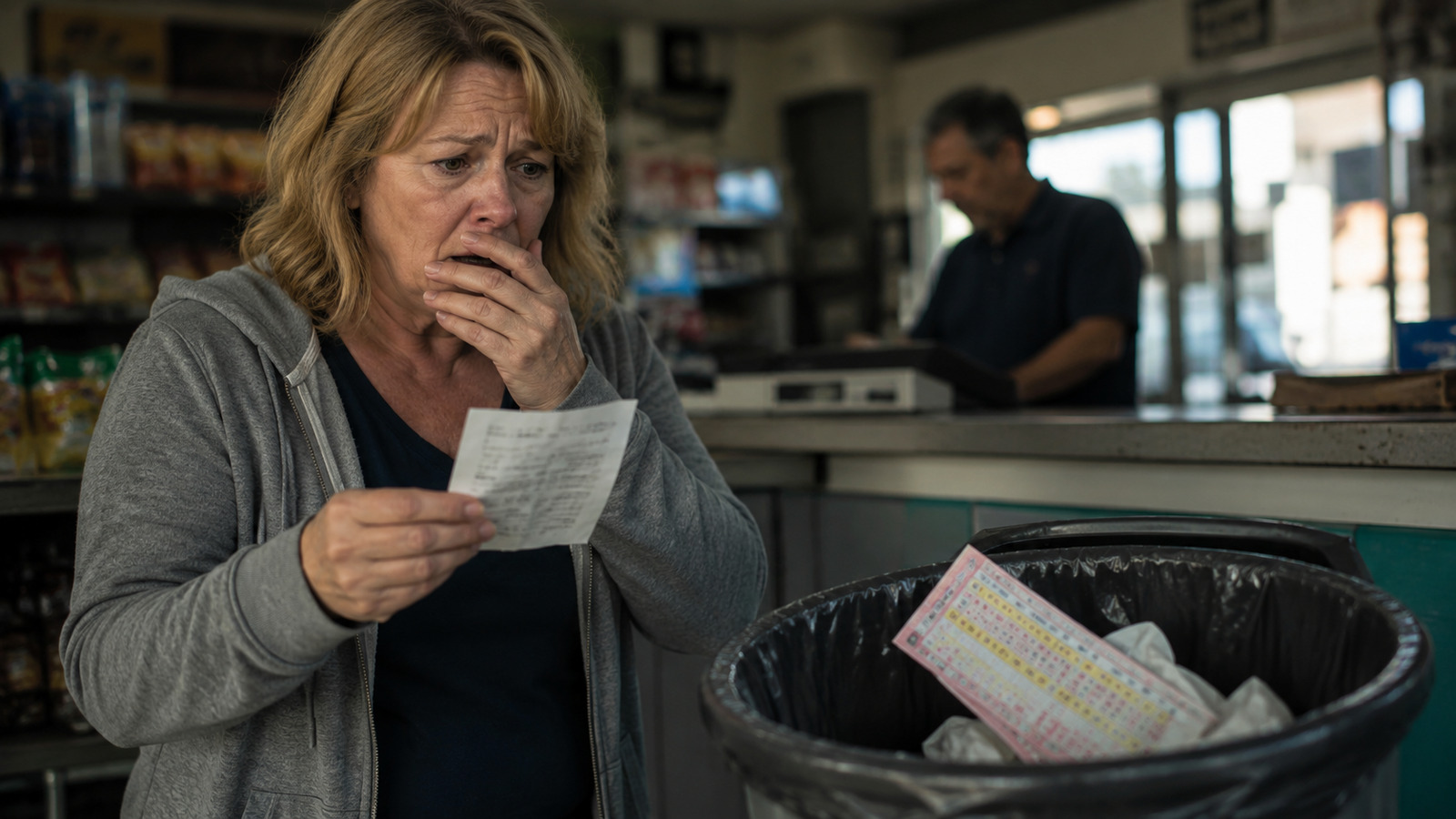
Mother discovers she may have won £12 million in the lottery but faces an agonizing wait after the shopkeeper threw the ticket in the trash.

-
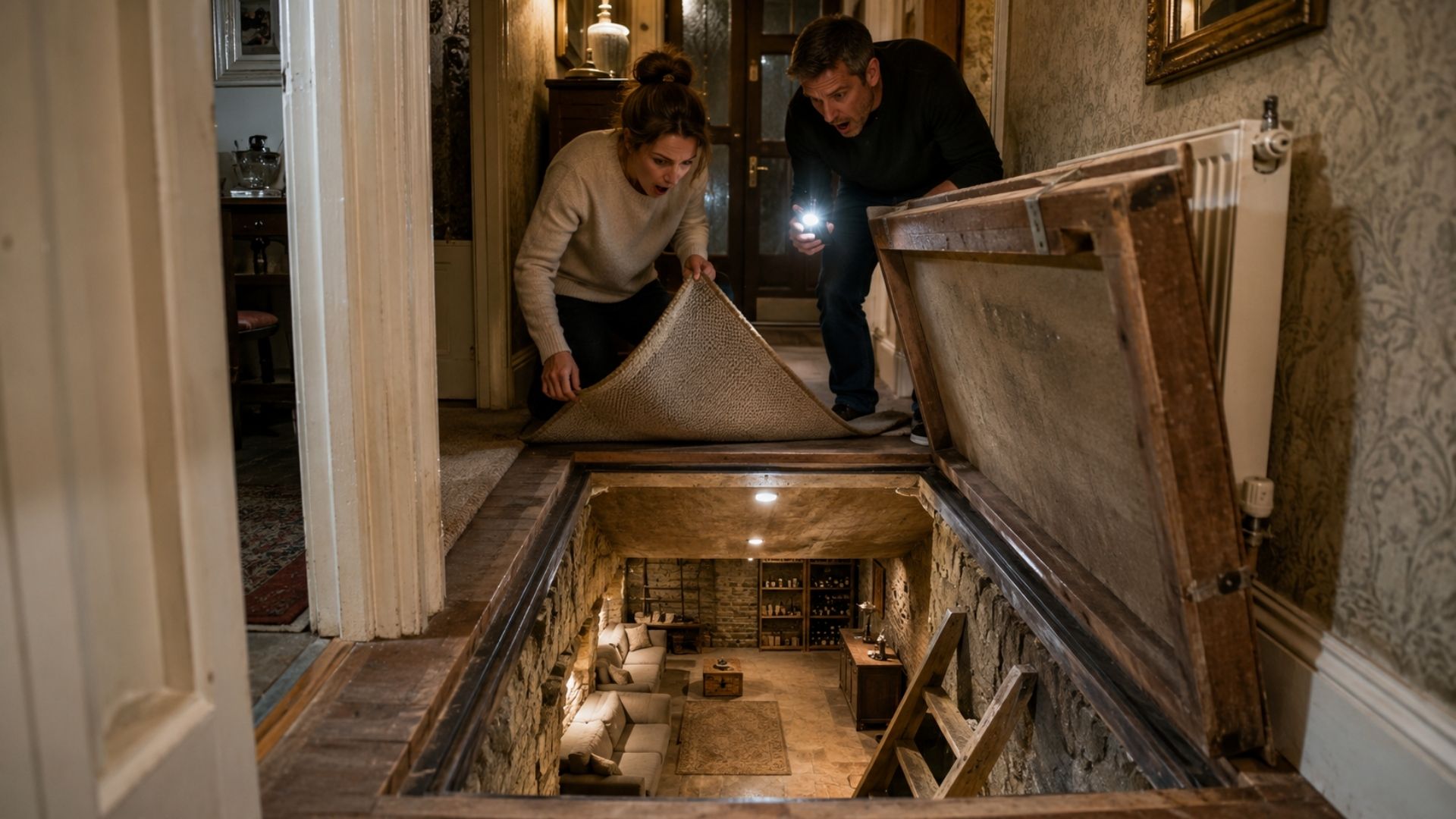
A couple bought a house in Sheffield and, when removing the carpet from the hallway, found a trapdoor leading to a secret 23 m² basement with a 2-meter ceiling height, a discovery that eliminated the need for an expensive extension and, according to them, added £70,000 to the property’s value.

-
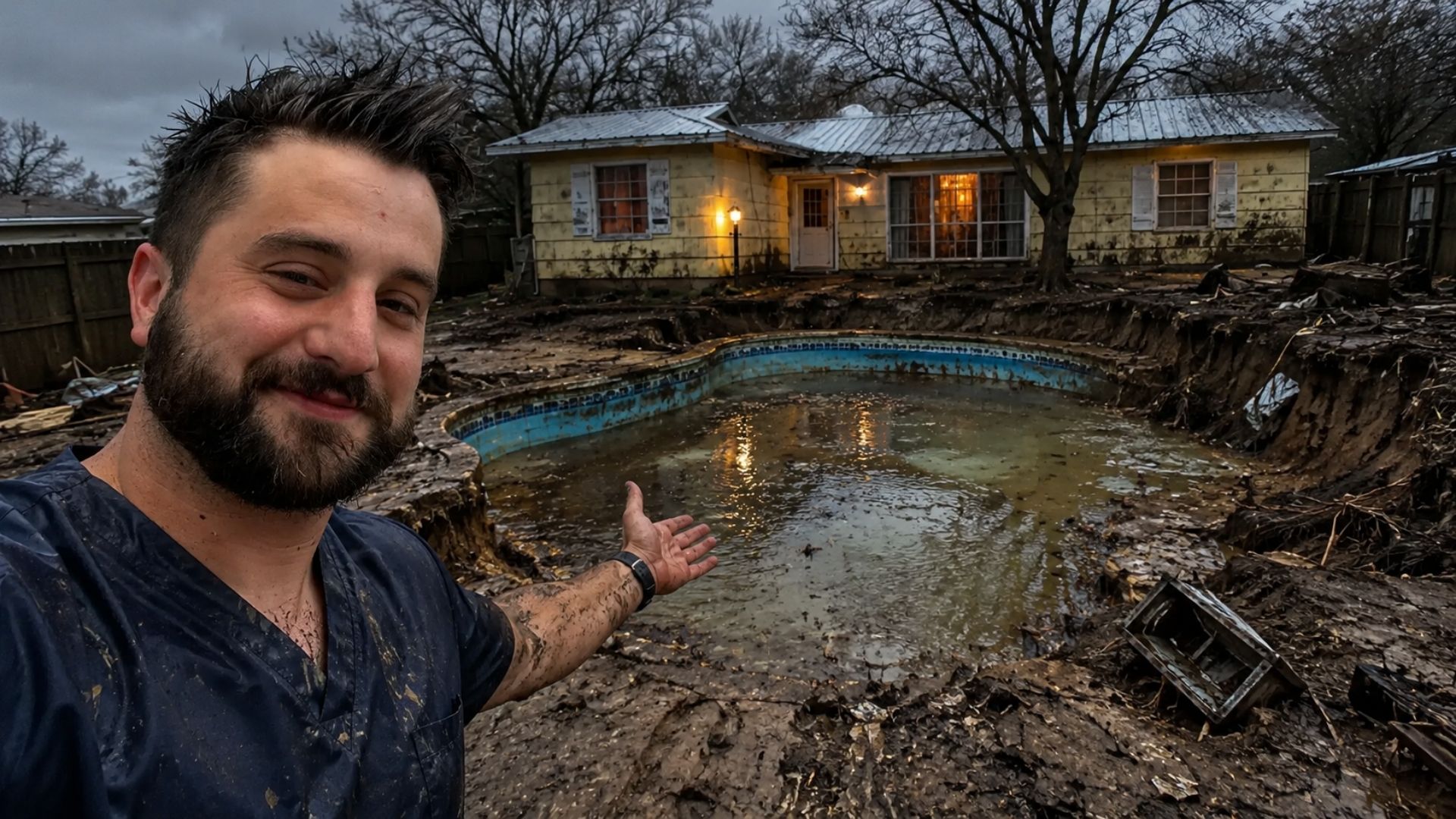
A nurse bought for 20,000 a 1955 house abandoned by a hoarder in Texas, and months later, rain revealed a buried pool in the backyard valued at $160,000, which he restored himself for about $10,000, a fraction of the cost of building a new one.
-
The United Kingdom is transforming dog feces left on trails into gas to light a streetlamp through an unlikely and surprising project that shows how even one of the most rejected wastes in cities can generate energy.

This detail helps to understand why the case spread beyond local news, as it combines a very young age, endorsement from an internationally known institution, and a theme that often appears in family discussions and educational activities.
Guinness Record and Validation in Ontario
According to Guinness, the girl began learning programming less than a year before having the record recognized, after attending classes regularly and practicing consistently to turn her interest into a completed project.

The institution also mentions a study routine that involved constant exposure to logic and coding tasks, a set of skills typically associated with older students, which reinforces the surprise surrounding the achievement.
The Canadian broadcaster CHCH, which followed the story in Beamsville, attributed the origin of the game’s idea to a day-to-day situation, after Simar received medical advice to improve her eating habits.
How the Healthy Food Challenge Game Works
According to the account shown by the broadcaster, the child decided to convey the message in a fun format, creating a game where the player observes characters and must make choices about what each one ate before a race.
In the described mechanics, food appears as part of the storyline because the options selected by the player connect to the performance of the characters, bringing the subject closer to a simple logic that young children can follow.
By turning recommendations about food into a game dynamic, the project becomes a tool for conversation between adults and children, as the same game can open up space for questions about daily routines, school snacks, and consumption of ultra-processed foods.
Why the Case Gained International Attention
The international reach can also be explained by the symbolic power of Guinness, which serves as a verification seal for stories circulating online, especially when there are short videos, game scenes, and images of the child in front of the computer.

However, the existence of a record does not, by itself, symbolize a complete educational assessment of cognitive profile, and public recognition is often confused with formal diagnoses that depend on specific criteria.
The repercussions of “prodigy child” cases often provoke mixed reactions, with part of the public celebrating and another part questioning how much of the work was truly original, as well as how adult support plays a role in the process.
In Simar’s case, what is documented is the record linked to the development of the game and her age at validation, while aspects like teaching method, home environment, and school support are not detailed in depth in the record.
Programming in Childhood, Screens, and Balance
Even without delving into this level of information, the episode reignites a recurring debate about the role of screens in childhood, as a child who programs is seen by many as an example of creative use of technology, beyond mere entertainment.
On the other hand, the same story can be read as a warning for intense routines and early expectations, especially when public attention generates invitations, interviews, and persistent questions about what the next milestone will be.

This balance appears in discussions about children’s rights, as the Convention on the Rights of the Child acknowledges rest, leisure, and play as essential parts of development, rather than rewards after goals are achieved.
Digital Exposure, Privacy, and “Sharenting”
Another layer of the debate involves digital exposure, as rare achievements often increase the circulation of images and personal information, a topic related to the term “sharenting,” popularized by Unicef to address the sharing of children on social networks.
In public guidelines, Unicef often recommends caution about what is disclosed, paying attention to data that identify location and reflecting on long-term impacts, as records made today can follow the child for years.
When an event becomes global news, the record registered by Guinness tends to function as a label, and the family may face the challenge of welcoming the child’s genuine interest in technology without turning their routine into a permanent showcase.
With the Healthy Food Challenge and the record validated on May 16, 2023, the story of Beamsville serves as a starting point for a broad discussion: how to encourage learning and creativity in the digital world while maintaining privacy, rest, and freedom to play?





Indiana
Com 6 anos eu tava fazendo troca -troca escondido com amigos…
Show de ****, me lembra quando eu comecei, criei meu primeiro game com 3 dias de estudo em python e blender. Hj sou expert em c# mas nunca fiz curso, queria poder fazer uma faculdade um dia