






 Portuguese
  Spanish


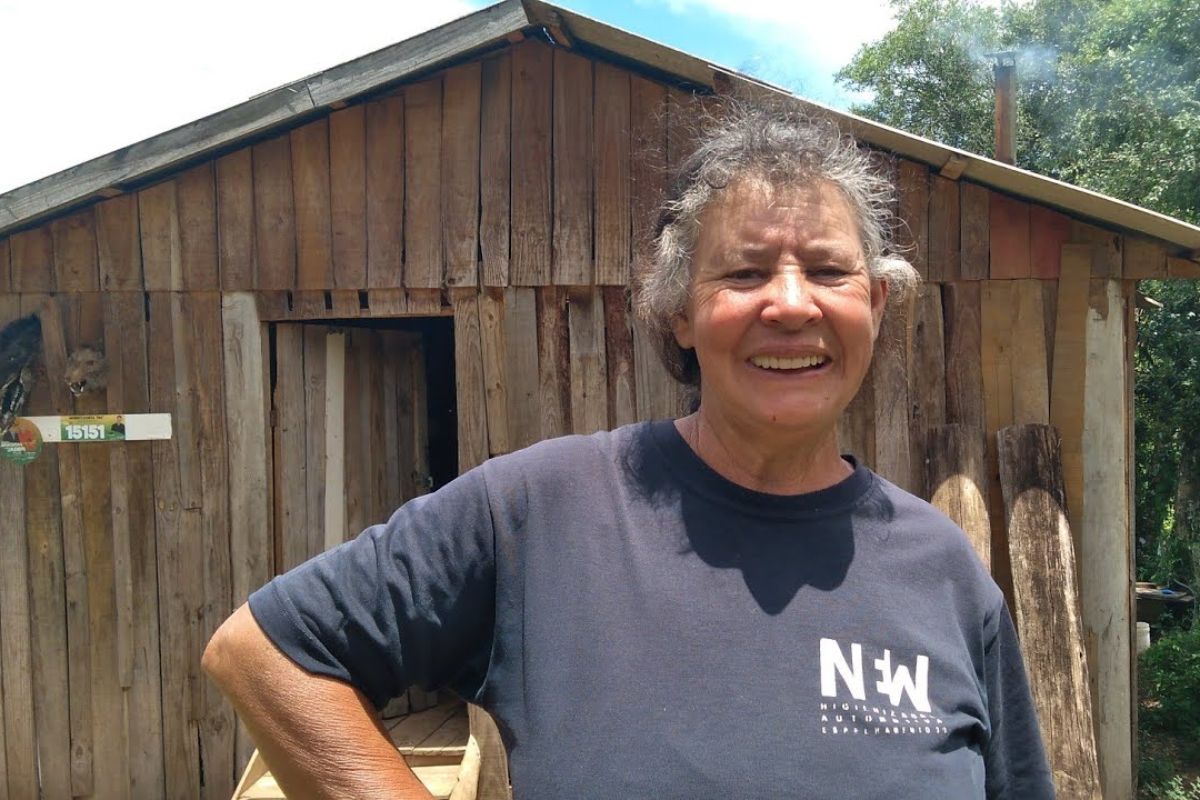


In The Interior Of Pinhal Da Serra (RS), Woman Lives Alone In The Wilderness After Overcoming A Liver Nodule, Retiring, And Finding Strength In Working The Land That, According To Her, Brought Her Life Back.
Living in isolation, without electricity, surrounded by pigs, chickens, dogs, and fields of corn and beans is the choice of 68-year-old Dona Nelci da Costa. For this woman who lives alone in the wilderness, farming is not a sacrifice. It is home, work, medicine, and the reason to get out of bed every day before the sun rises. pasted
While many dream of leaving the countryside, she chose the opposite path. After a grave diagnosis in the city and medical forecasts of only two months to live, Dona Nelci returned to the farm. In the land where she raised her 11 children, she says it was the hard work of farming that truly saved her life.
From A Hard Diagnosis To The Decision To Return To The Countryside
During a period in Caxias, Dona Nelci received the news that would change everything. The doctors found a nodule in her liver and warned that she would have little time to live. The family cried, insisting that she stay in the city and continue treatment there.
-
Stingless Bee Honey from Brazil Can Cost Up to $120 a Liter, Surprises with Flavors of Wood, Citrus, and Even Cheese

-
Woman Claims to Have Spotted a Technical Pattern in Recent FIFA Tournaments, Predicts Possible World Cup Winner
-
Chevrolet Offers Chance to Win a 2026 Sonic RS for Free via WhatsApp
-
Earthquake vs. Tsunami: Which Causes More Destruction and Why One Can Be Even More Dangerous


However, she made a different decision. She returned to the countryside, to the same piece of land where she spent her life working, raising her children, and taking care of the land.
Instead of surrendering to fear, she chose to return to the hoe, to the beans, and to the corn. Today, about seven years after that diagnosis, she continues strong, active, and working every day on the farm.
According to her, urban life was ruining her health and spirits. This is how she summarizes: the city was “killing” her, while the countryside brought back her will to live. In Dona Nelci’s view, it was the routine on the farm that healed what the doctors did not believe was possible.
A Heavy Routine That Became Therapy

The day begins early. Around five-thirty in the morning, she is already up, has a simple breakfast, and heads out to work.
Taking care of the animals, checking on the pigs, tending to the chickens, checking the water, ensuring everything is in order on her small 12-hectare property.
The bean crop, planted with a hoe, is one of the farmer’s prides. She herself breaks the ground, plants, weeds, and then harvests, bag by bag. All by hand, without modern machinery.
When she is not busy with her own land, Dona Nelci still takes on work for neighbors, clearing and cleaning large pieces of farmland in exchange for payment that supplements her retirement.
For this woman who lives alone in the wilderness, effort is not a problem. She repeats that “work brings me happiness” and that her greatest joy is putting on her hat and heading out to work.
While many associate farm work with hardship, she sees it as therapy and a reason for gratitude.
The Simple House, The Animals, And The Peace In The Wilderness
Dona Nelci’s house is a simple shack, with a wood stove always ready for a pot of beans, potatoes, or meat.
The electricity runs nearby, but she chose not to bring it in. She prefers to live as she is, without television, without city noise, and with a routine marked by the rising and setting of the sun.
Nearby are the pigs with their piglets, the broody hens, and the dogs that keep her company and help scare off wild animals.
In this setting, she feels truly at home. Away from urban chaos, Dona Nelci says she lives with a calm mind, sleeps peacefully, and wakes up ready for another day of work.
Even with the distance, the property is not completely isolated. The road is just a few meters away, and the biggest challenge is transportation to the city, as the bus no longer runs as it used to. When she needs to go out, she relies on her children, who pick her up by car at a pre-arranged spot.
Mother of 11 Children And An Example of Work For The Family
Dona Nelci’s story is also the story of a mother who raised 11 children based on hard work and responsibility.
From an early age, they learned to help in the fields, to respect others, and to value what is earned through effort. She makes a point of saying that she preferred to teach her children to work rather than to see them get involved with drugs or crime.
Today, even though she lives alone, she does not feel abandoned. Her children continue their lives in other cities but come around on special occasions, such as Mother’s Day and birthdays, filling the yard with cars, laughter, and stories. For them, the mother who insists on living on the farm is a living example of strength, courage, and discipline.
Even being a woman who lives alone in the wilderness for most of the time, Dona Nelci remains connected to her family through the affection and respect built over the years.
Her greatest pride is knowing that she left her children and grandchildren a legacy of character and a love for work.
Difficulties, Faith, And A Message For Those Who Think About Giving Up

Not everything is easy. Transportation to the city is limited, the work is hard, and the body no longer responds as it did at 20. Still, Dona Nelci does not complain. She is thankful for being able to walk, clear land, plant, harvest, and take care of the animals.
When she speaks with her children and grandchildren, the message is always the same: be responsible, honor what you earn, and do not be afraid of hard work.
In her view, working in the fields does not take anything away from anyone; on the contrary, it restores dignity, health, and peace of mind.
She knows her choice is not common. Not everyone would agree to live in a simple house, without electricity, in the interior of Pinhal da Serra.
But for this woman who lives alone in the wilderness, this is the truest way to live. It was in the fields that she found healing, strength, and the joy to move forward, even after a diagnosis that seemed like a sentence.
And you, would you have the courage to live far from the city, in the silence of the fields, like this woman who lives alone in the wilderness?




I would love to join you
Magic life