Portuguese
  Spanish


Riosulense Celebrates 80 Years with Sustainable Progress: I-REC Certification Ensures Use of Clean Energy and 36% Reduction in Emissions
About to complete 80 years of operations, RIO Riosulense, from Rio do Sul, has set an important milestone for the celebration: ensuring the proven use of renewable and decarbonized energy sources.
The company, one of the major automotive parts manufacturers in Latin America, has already received the International Renewable Energy Certificates (I-RECs) for the first quarter of 2025.
The I-RECs ensure, in an audited manner, the use of hydropower by the company. This allows both internal and external stakeholders to confirm the clean origin of the electricity used in operations.
-
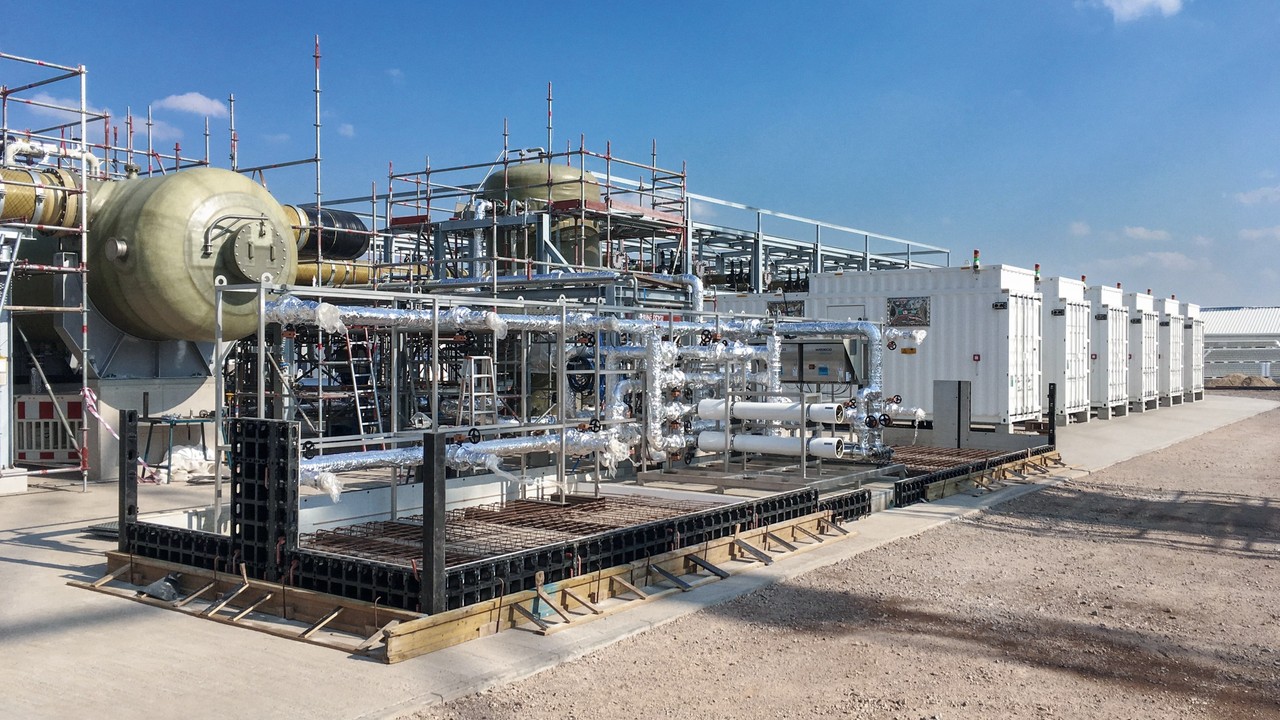
Brazil saved US$ 32.4 billion in 2025 by switching from fossil to renewable energy and only ranked behind China and the United States on the IRENA global podium.

-
Fired during apartheid and with a little borrowed money, an electrician started with a borrowed truck and transformed electrical services into a group connected to energy, real estate, and infrastructure in South Africa.

-
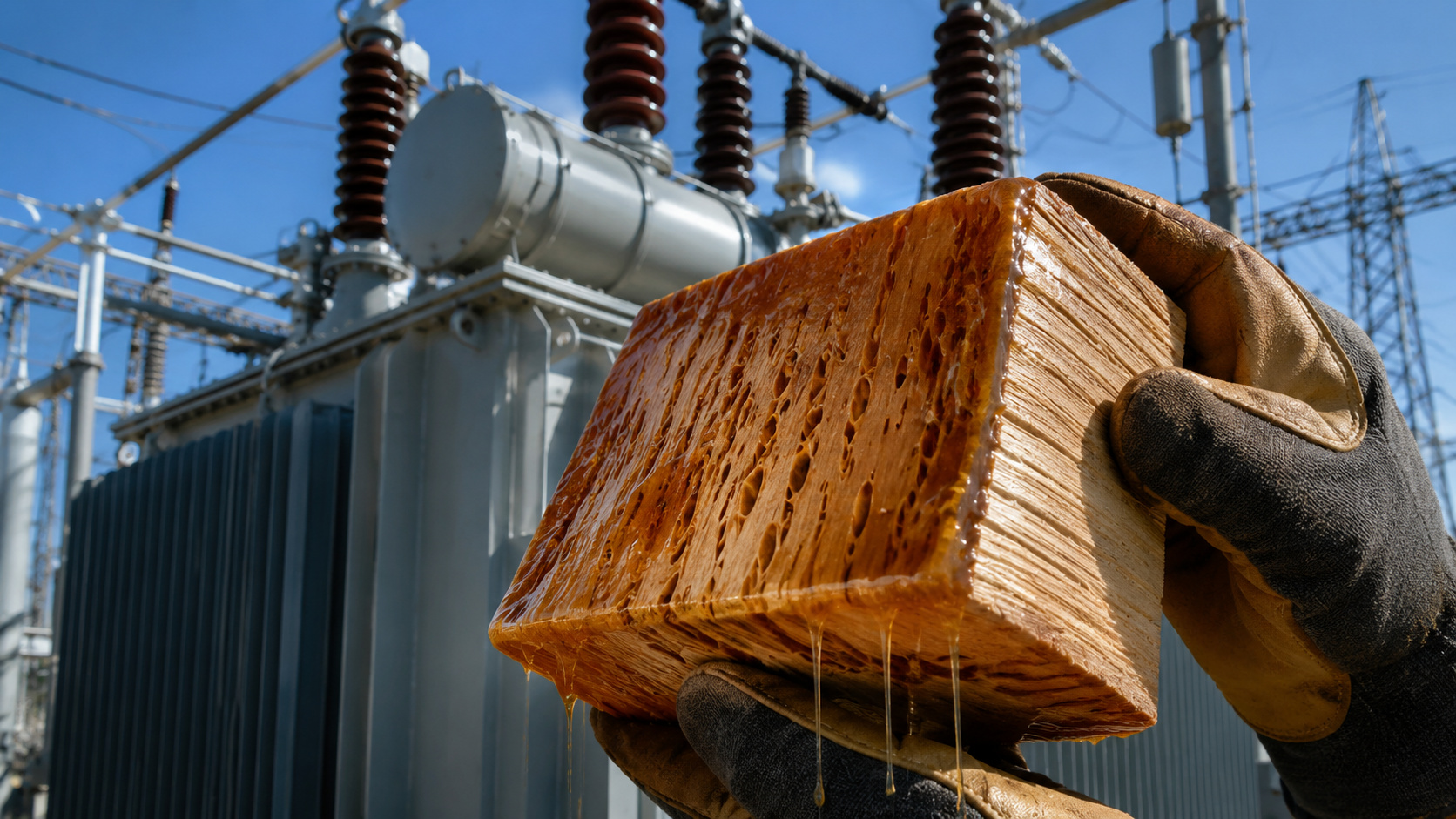
Wood has ceased to be just a construction material in Yale research and has become insulation for electrical transformers that face intense heat, aging, and increasing pressure from the renewable energy-powered grid.
-
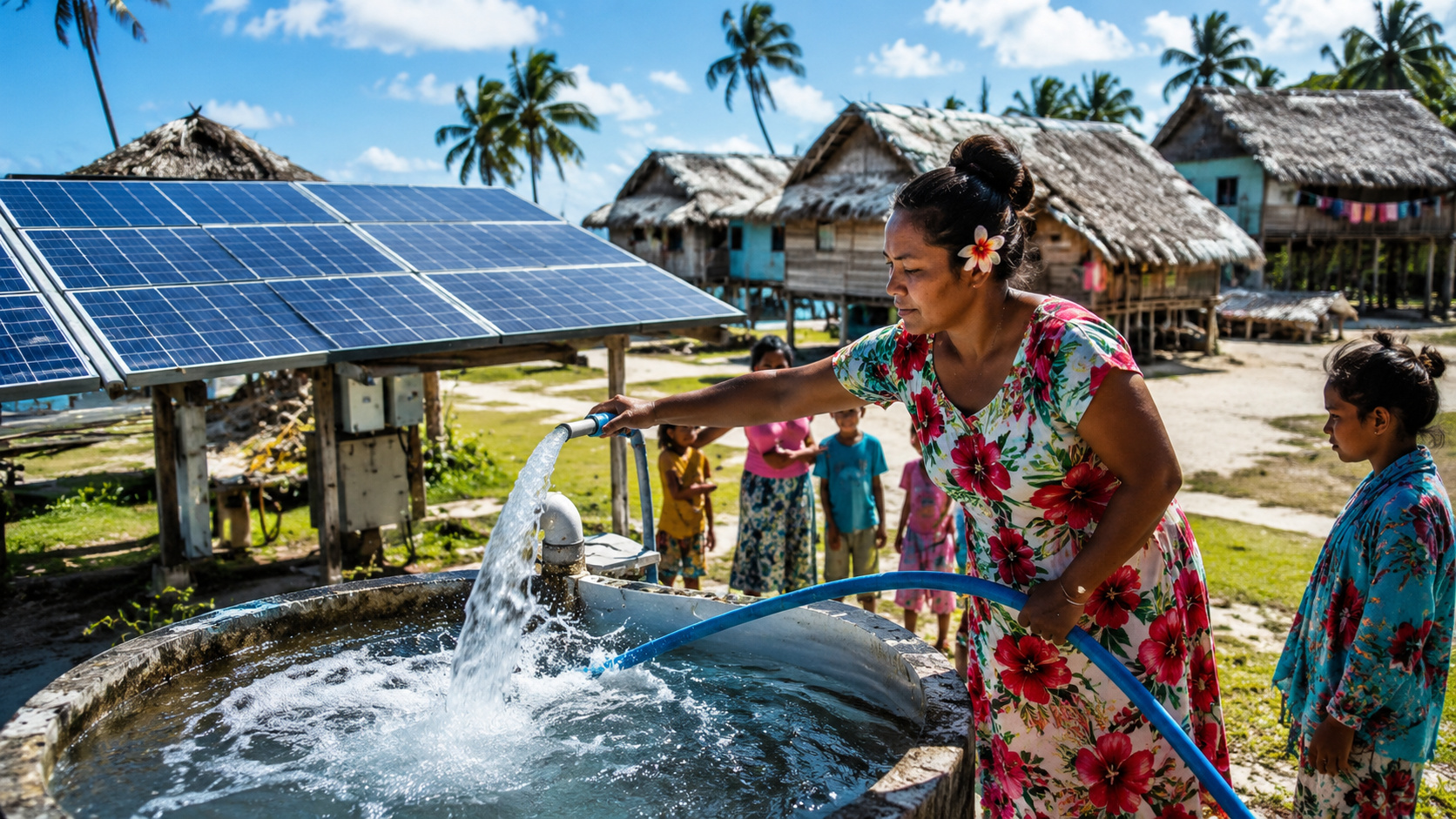
More than 1,000 residents of a remote island in Kiribati now have clean water and electricity with solar systems operated by the community itself.


How the I-REC Works
The International Renewable Energy Certificate (I-REC) is a globally recognized system that certifies the sustainable origin of the electricity consumed. It functions like a title, where each certificate corresponds to 1 MWh (megawatt-hour) of energy generated.
The certificates are registered internationally by the TOTUM Institute and are valid to prove 100% clean consumption, in accordance with market rules.
The function of the I-RECs goes beyond the simple certification of energy. They also allow tracking the renewable origin of electricity, which can be used to offset Greenhouse Gas (GHG) emissions.
For this reason, acquiring these certificates is part of the company’s strategy to reduce its emissions and advance on the path to decarbonization.
36% Reduction in Emissions
“RIO opted to acquire I-RECs quarterly, instead of the annual model. With the receipt of the certificates for the first quarter of 2025, we celebrate this achievement in our program towards decarbonization, validating the 36% reduction in the company’s total emissions,” says Clebson Ferreira, Technical Manager at RIO.
The company’s work in this area began in 2024, with the completion of the Greenhouse Gas Inventory, including retroactive data from 2023.
The survey allowed the classification of emissions origins into three international categories: Scope 1, which refers to emissions generated directly by the company; Scope 2, arising from purchased energy; and Scope 3, related to the company’s value chain.
With the survey in hand, it was possible to identify the exact origin of emissions and define specific actions. In total, 36% of emissions were associated with electric energy consumption.
Scope 2 Will Already Be Neutralized
“By validating that this energy is clean and renewable through the I-RECs, RIO will be able to offset more than one-third of its total emissions. Furthermore, since 100% of Scope 2 emissions come from energy use, it will be possible to eliminate emissions in this area through the I-RECs. In other words, RIO will reach the next anniversary with no carbon emissions in Scope 2,” explains Rogério C. Pereira, Quality and Environmental Coordinator at RIO.
ESG Practices Gain Strength in the Company
The certificates represent just a part of a larger strategy aimed at ESG practices. The company began its investments in this area focusing on Environmental Management and achieved the ISO 14001 certification. Following this first step, other projects are already underway.
Among the next steps is the development of the Materiality Matrix and the definition of the United Nations’ Sustainable Development Goals (SDGs), which will serve as a basis for future initiatives and investments.
“Certainly, we will focus on Scope 1, aiming to eliminate emissions generated internally. There are several fronts underway, and one of the most advanced is the pursuit of Zero Waste, which will open many opportunities for action,” says Ferreira.
New Requirements and Sustainability Reports
The executive also points out that some investments will be driven by market requirements, legal adjustments, or competitive strategy. A concrete example is the preparation for the Carbon Border Adjustment Mechanism (CBAM), a carbon tax mechanism for products exported to the European Union.
Another significant step will be the production of the first Sustainability Report, according to the International Financial Reporting Standards (IFRS). This report should include both financial information related to sustainability (IFRS S1) and climate disclosures (IFRS S2).
“As RIO is listed on the B3, it will have the legal obligation, starting next year, to produce its Sustainability Report. We decided to test the model this year, voluntarily, to improve the process in 2026,” concludes the executive.
With information from Economias SC.