






 Portuguese
  Spanish


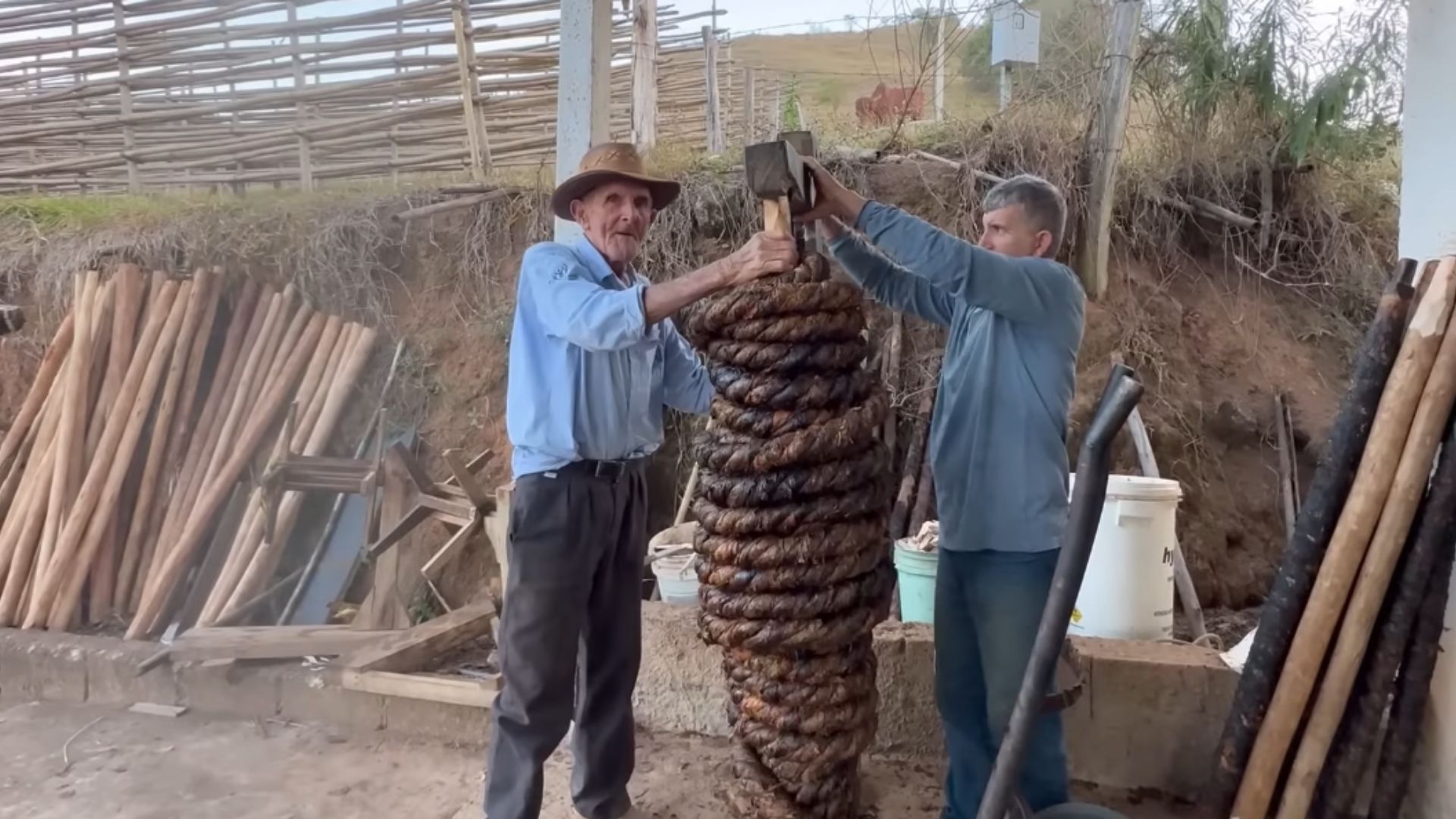


Even After Fractures, Covid-19, and Almost Nine Decades of Hard Work, A Miner Producer Remains Active in the Field, Preserving Manual Knowledge of Rope Tobacco and Inspiring Generations in One of the Most Traditional Regions of Brazil
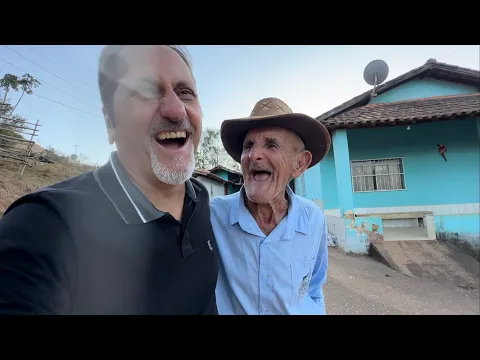
At 89 years old, Seu Orestes has not slowed down. On the contrary. While many have reduced their activities, he wakes up at 3 a.m., works in the fields, drives cattle on foot for miles, takes care of the livestock, participates in the production of handmade rope tobacco, and maintains a routine that impresses even the youngest. A resident of the community of Água Limpa, about 4 kilometers from the center of Poço Fundo (MG), he is considered by many as the “king of rope tobacco” in the region.
The story of Seu Orestes is a true reflection of mining family agriculture, marked by resistance, tradition, and manual labor. The information was shared by the Jean na Roça channel, which closely followed a whole day of the producer’s routine, recording details of the work, family, and the artisanal process that has supported generations for decades.
A Lifetime Dedicated to the Fields Since the Age of 7

Seu Orestes’ connection to rural work began early. At the age of 7, he was already accompanying his father in the tobacco fields, learning firsthand what would later become the family’s livelihood. Since then, he has never left the fields. Throughout his life, he has worked with tobacco, coffee, cattle, pigs, chickens, and diverse crops, always using traditional methods.
-
Before Japan Became a Football Powerhouse, Zico Transformed the Amateur League, Boosted the J.League, and Was Honored with a Statue at Kashima Antlers

-
House Left Isolated in the Middle of New Chinese Highway as Owner Refuses Compensation Deal, Construction Continues Around the Property

-
Venetian Factory Luigi Bevilacqua Crafts Velvet by Hand on 18th-Century Looms, Producing Just 30 Centimeters a Day

-
From Customer Service to Pipeline Welding: She Becomes the Second Female Welder in Utility’s History, Now Leading a Team in San Diego


Born in the Cachoeirinha region, he has spent his entire life in the municipality of Poço Fundo and has never considered leaving. According to him, “the good life is here.” Even after breaking his leg in a simple accident, tripping over the only stone on the property’s path, and facing two Covid-19 infections, Seu Orestes returned to work as soon as possible.
Today, he asserts that his mind remains sharp and his disposition as well. The work has never stopped, only adapted to time and the experience gained.
Handmade Rope Tobacco: Technique, Science, and Tradition Passed Down Through Generations

The production of rope tobacco is at the heart of the family’s routine. The process begins in the fields, with the harvest of mature leaves, which go through rigorous stages until they reach the ideal point. The leaves are hung in racks, installed manually, and left to cure slowly.
After about 10 days, the tobacco reaches the right point to be worked. Next, the stem is removed, the leaves are manually twisted on the wheel, the ropes are formed, and finally, they are stored in what are called tobacco bars, made from specific types of wood like eucalyptus, fish hat, and pororoca, which ensure strength and quality.
Each roll can weigh between 60 and 100 kilograms, depending on the leaf stage. In the past, the entire process was done solely by hand. Today, the family uses a small motor, but the essence of the work remains manual. According to Seu Orestes, “good tobacco depends on the land,” and the Poço Fundo region is considered one of the best in Brazil for the production of blue and strong tobacco.
Large Family, Collective Work, and a Routine That Starts Before Dawn
The production structure is entirely familial. Seu Orestes has 12 children, over 30 grandchildren, and numerous nieces and nephews who participate directly or indirectly in the work. During tobacco installation days, the house fills up. Women, men, youth, and children help with the process, respecting everyone’s limits.
The routine starts early. At 3 a.m., he and his wife, Dona Lia, are already up. For many periods of their lives, they worked throughout the night, especially during harvest time. Today, even with advanced age, Seu Orestes continues to arrive at the fields around 5 a.m.
The meals during collective work days are also organized by the family. During the week, everyone brings their lunchbox. On Sundays, Dona Lia prepares breakfast, lunch, and afternoon coffee for everyone who helps with production.
Cattle Raising, Driving Cattle, and a Life That Moves at the Pace of the Farm
Besides tobacco, Seu Orestes raises cattle, cows, pigs, chickens, and even fish. Some oxen can work for up to 25 years when well cared for. He explains that, despite the advancement of tractors, he still prefers the oxen to plow the soil and pull implements.
Even after decades of horseback riding, he claims he has rarely fallen. The only more serious accident was the leg fracture, which did not diminish his desire to work. For him, the secret to longevity lies in constant movement, simple eating, and spending time with family.
Today, Seu Orestes is seen as a local reference. “Worth its weight in gold,” say the neighbors. A simple, hardworking man and a symbol of a culture that withstands the test of time.


