Portuguese
  Spanish


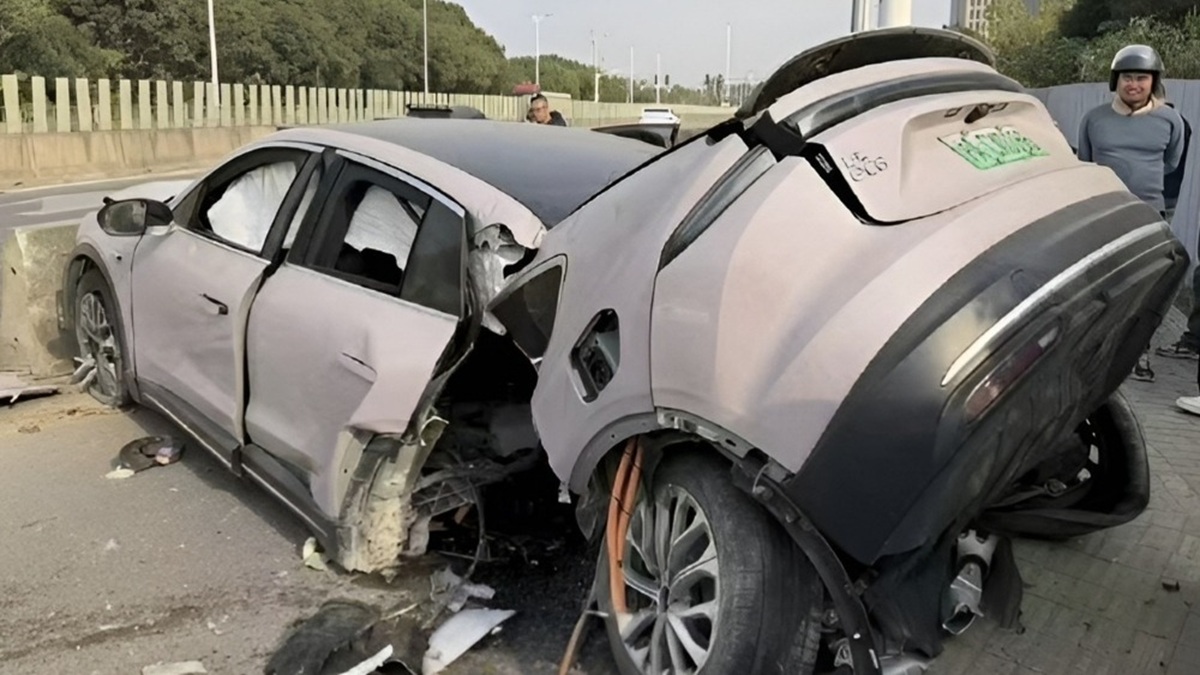


Despite Its Severity, The Electric Car Accident Reinforced Vehicle Safety Parameters Because It Showed Structural Resistance, Control Of Systems, And Efficient Battery Containment, Elements That Support Positive Projections About The Behavior Of These Models In Critical Situations
The electric car accident registered on December 1 near Shanghai involved a NIO EC6 at high speed, which hit a central barrier, resulting in severe structural damage but no serious injuries among the occupants.
The accident gained attention because the NIO EC6 split into two parts after colliding with a central barrier, still allowing all occupants to leave the vehicle without immediate assistance and suffering only minor injuries, according to local media.
Initial Reports on the Impact
Local media reported that the car hit the barrier at high speed, destroying the rear section while the front part remained more stable. Emergency services confirmed that there were no serious injuries, reinforcing the efficiency of the protection systems.
-
Nissan Discontinues Qashqai SUV Amid Cost-Cutting, Chinese Competition, and Product Line Review

-
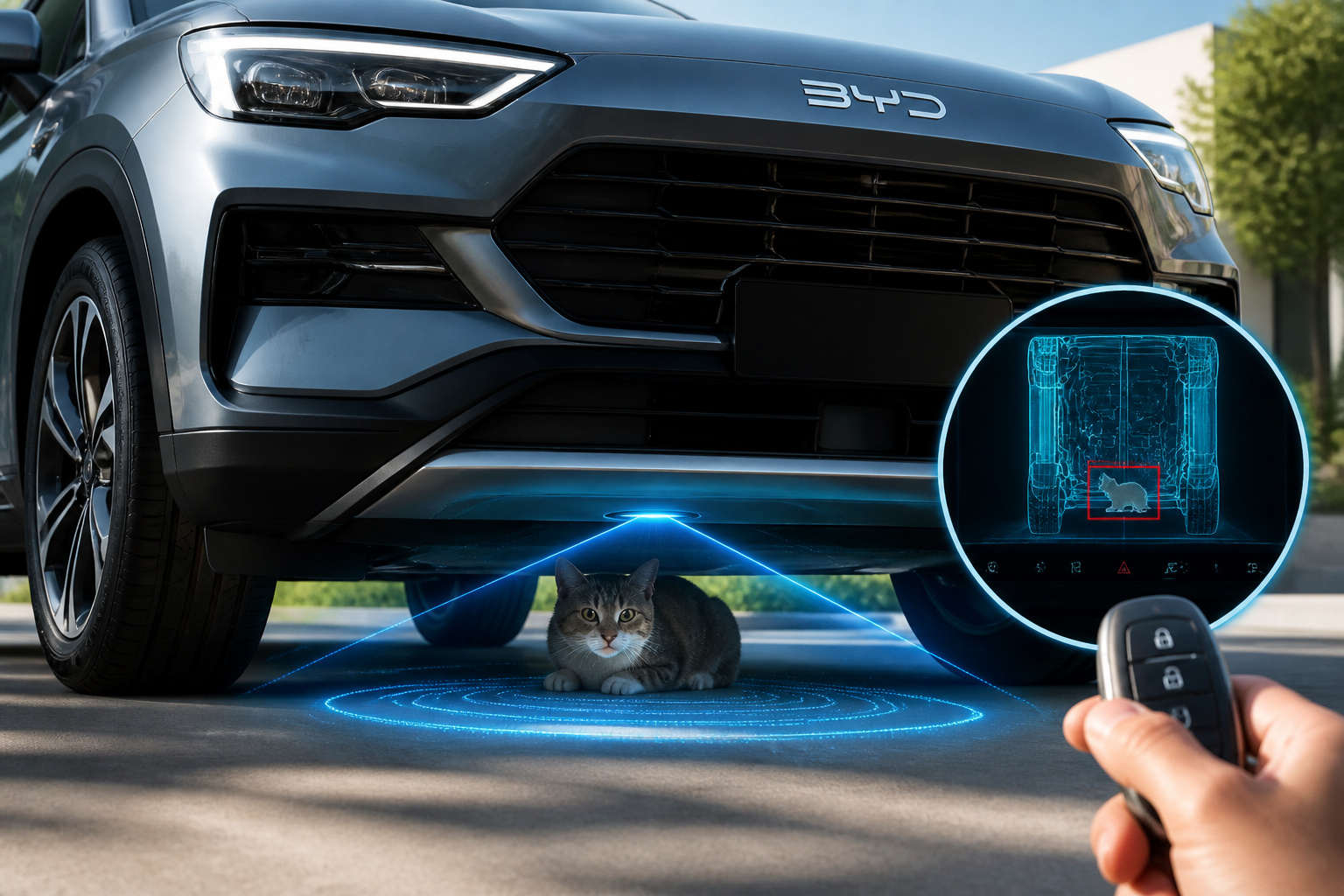
BYD Patents Revolutionary System Using Computer Vision to Detect Animals Under Cars Before Starting, Preventing Tragedies

-
BMW Completes $1.7 Billion Investment in the U.S. for Electric Vehicle Production, Positions South Carolina for New Generation as Rivals Reassess EV Race
-
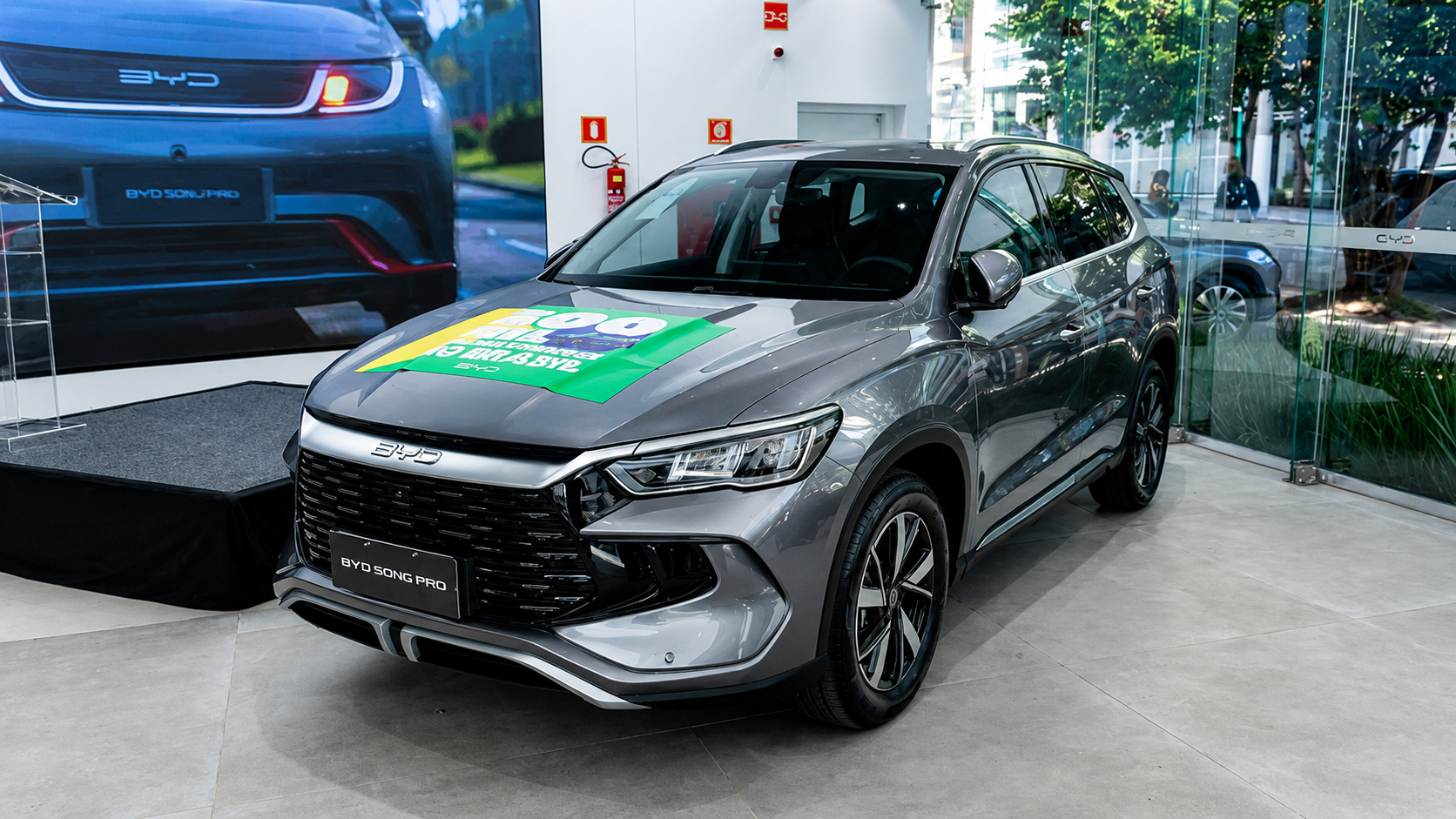
BYD’s Dolphin Mini Becomes Electric Vehicle Sensation in Brazil, Surpassing 300,000 Sales with Major Factory and Retail Leadership


The passengers managed to leave the vehicle as soon as the doors automatically unlocked after the impact, as indicated by official reports. Rescue teams verified that the lithium-ion battery remained intact and posed no additional risks.
Split Rear Structure and Energy Absorption
The rear substructure detached completely, absorbing much of the impact force. This controlled deformation helped limit direct damage to the cabin and ensured the occupants’ survival even with the severity of the event.
The rear separation was impressive in how it dissipated energy without compromising cabin safety. The 100 kWh module remained intact, preserving its declared range of up to 630 kilometers on the CLTC cycle and ensuring mechanical stability even under stress.
Final Elements of Structural Behavior
The electric car accident reinforces discussions about the resistance of lithium-ion batteries, often the target of criticism related to unexpected fires. In this case, the overall integrity demonstrated that severe impacts do not always result in critical damage to the energy system.
LFP batteries continue to be associated with greater structural stability and resistance to puncturing, although the analyzed model uses lithium-ion. The episode concludes as a complementary record of advances in vehicle engineering and observed behavior in modern safety systems.