






 Portuguese
  Spanish
  3 min of reading
  0 comments


Historical Base Used in World War II Back in Action in the Pacific Amid Growing Tension Between the U.S. and China, Raising Concerns Among Local Residents About Security and Environmental Risks
A U.S. air base that made history during World War II is coming back online. Located on the small island of Tinian in the Northern Mariana Islands, the facility was used to launch atomic bombs on Hiroshima and Nagasaki. Now, 80 years later, it is undergoing a restoration process led by the U.S. military.
The resumption of activities comes at a time of tensions between the U.S. and China, particularly regarding issues involving Taiwan. The U.S. government has been seeking to reinforce its military presence in the Pacific region. As a result, the Tinian base is back in the spotlight.
Military Presence Grows on Tinian Island
Tinian is near Guam and has a strategic location. The island, now better known for its beaches and World War II ruins, is seeing military activity again after decades of inactivity.
-
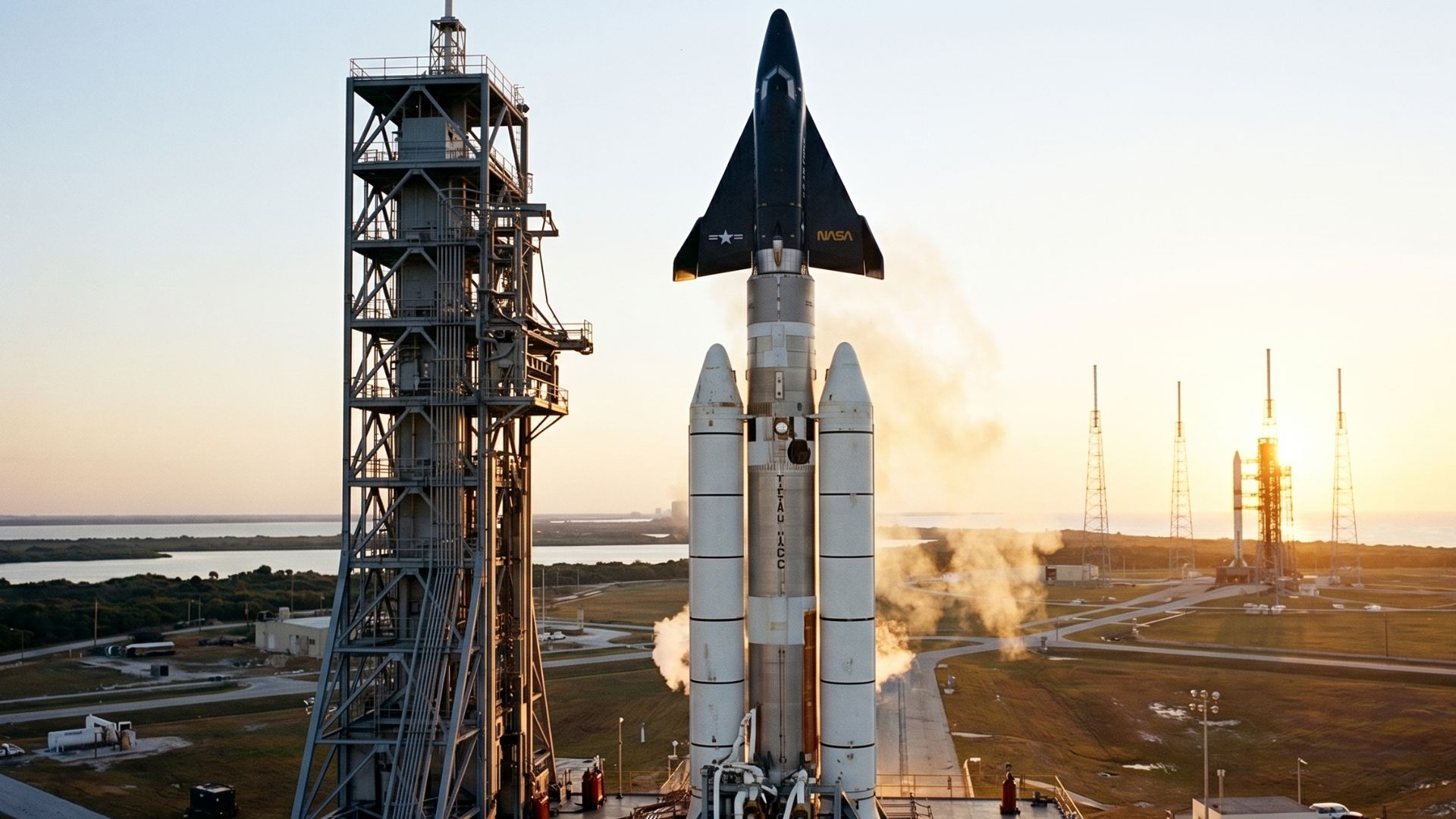
The military spaceplane that almost took the Cold War into orbit: Boeing X-20 Dyna-Soar was designed to re-enter above Mach 20, fly for up to 40 hours, land like a plane, and transform Titan rockets into a gateway to a new era of orbital warfare.

-
FAB bets on national drones and increases investments to strengthen the Brazilian aerospace industry

-
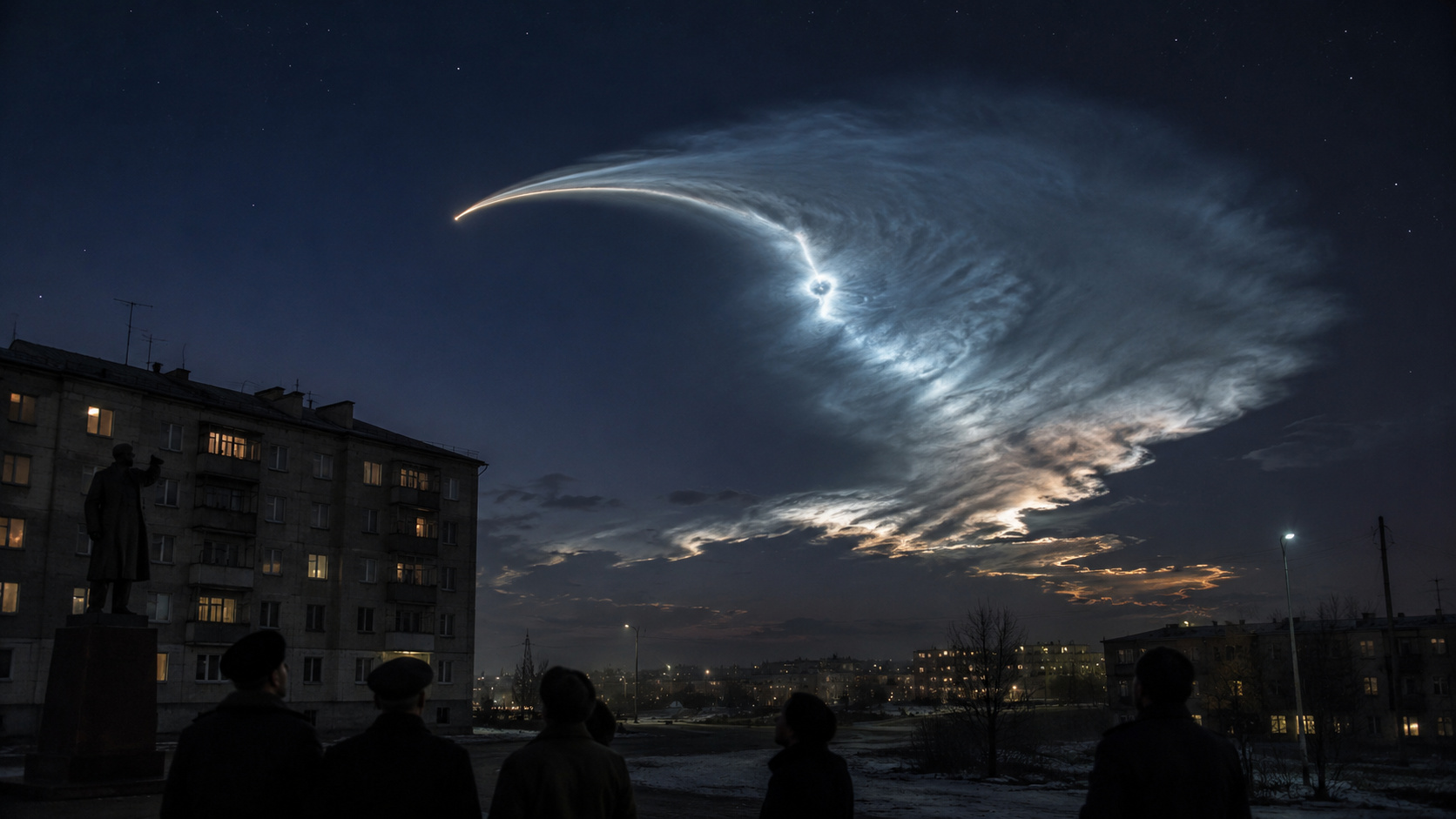
Six times, a luminous crescent the size of the Moon startled the Soviet sky at dusk: it seemed like a wave of UFOs, but it was a secret orbital weapon created to attack the United States via the South Pole and evade Cold War radars.

-
The United States government approved a potential sale of 100 portable Stinger anti-aircraft missiles to the Brazilian Army, in a package estimated at around 330 million dollars that still depends on negotiations between the two countries.


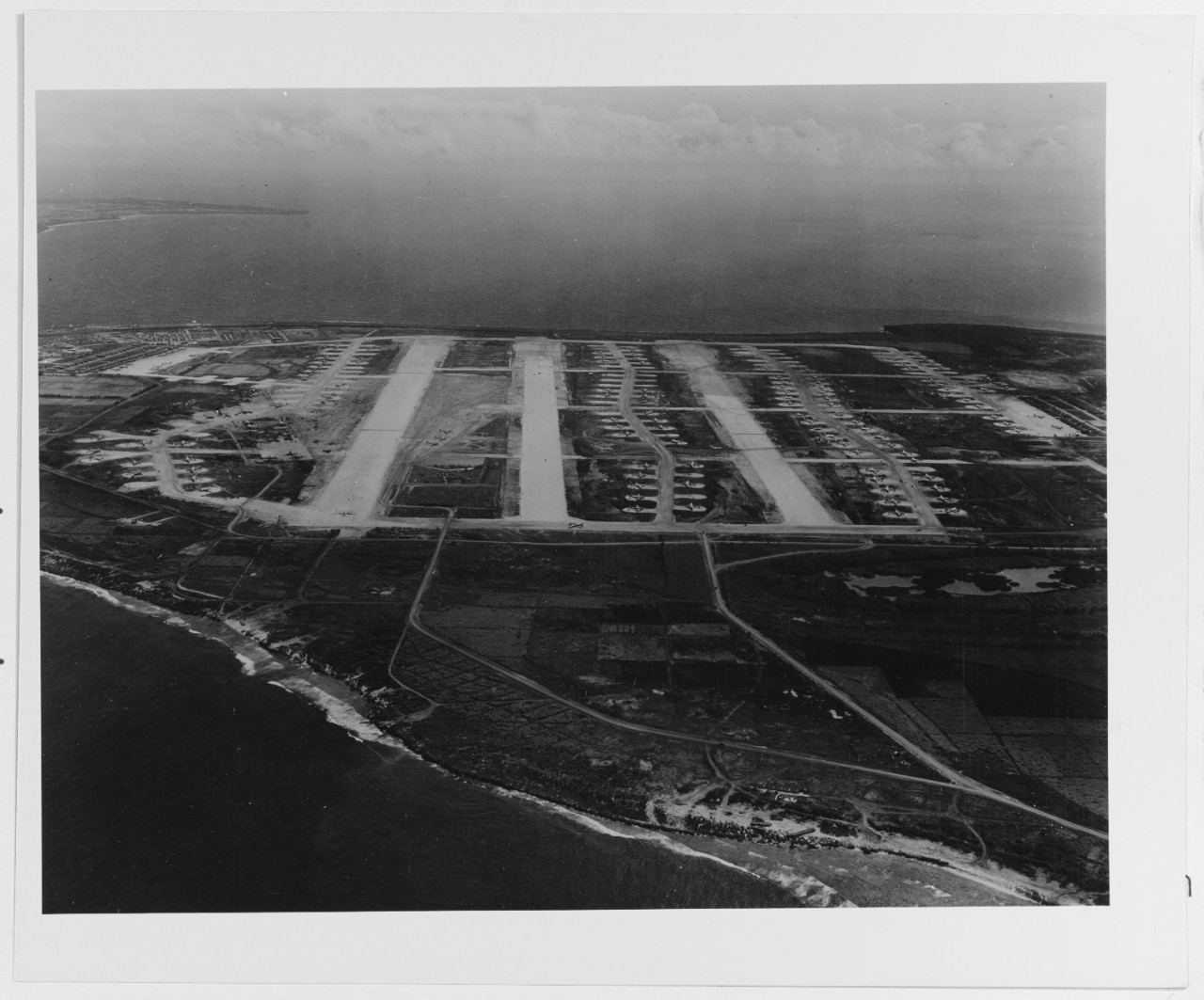
The U.S. Air Force signed a contract for US$ 409 million with Fluor Corporation in 2024 to restore the island’s former airfield.
During World War II, the air base known as North Field housed four wide runways, each 8,500 feet (2.59 km) long.
It was an essential support point for major aerial operations. There, the B-29 bombers Enola Gay and Bockscar were prepared, which dropped the bombs “Little Boy” and “Fat Man” on Japan.
Residents Fear Risks with New Activity
The resumption of military activities worries local residents. One of the main concerns is the fear that the island could become a target in the event of conflict. Tinian has already played a strategic role in a global war, and there are fears that the same could happen again.
The second concern is linked to environmental safety. Reconstruction work could affect areas where there were previously movements of nuclear armaments. Even without explosions on the island, the mere storage of bombs raises questions about radiation risks.
According to experts interviewed by ABC News, concerns about radiation are minimal. The bombs would have been handled carefully, and there is no indication of significant contamination at the site.
For them, residues from other materials, such as fuel and conventional weapons, pose a greater threat.
Call for Transparency in the New Phase
Local groups and residents are demanding more clarity. They want to know, for example, if there will be new storage of nuclear weapons on the island. They are also seeking guarantees about the safety of the population.
Despite the concerns, U.S. officials view the island as a key piece in a potential conflict scenario. Its proximity to Guam, which is one of the main military centers for the U.S. in the Pacific, reinforces its strategic importance.
History and Location of the Base
Covering less than 104 square kilometers, Tinian is one of the three main islands of the Northern Mariana Islands. It is located about 2,400 kilometers from mainland China. During World War II, its air base was classified, and few knew the actual role of the facility.
The structure was designed for large-scale operations. The runways, each 200 feet (approximately 61 m) wide, were connected by an extensive network of taxiways and parking areas, capable of accommodating 265 B-29 bombers.
This historical legacy, combined with its geographical position, makes Tinian a strategic military point. Therefore, the restoration of the base and current military movements draw international attention — and also local tension.
Latest Relevant Information
The resumption of the Tinian base is not just a return to the past. It represents a concrete step in the United States’ preparation for possible future scenarios in the Pacific Ocean. But for the island’s residents, the sentiment is one of caution. They hope that the new phase brings more answers than risks.
With information from Interesting Engineering.






Be the first to react!