






 Portuguese
  Spanish


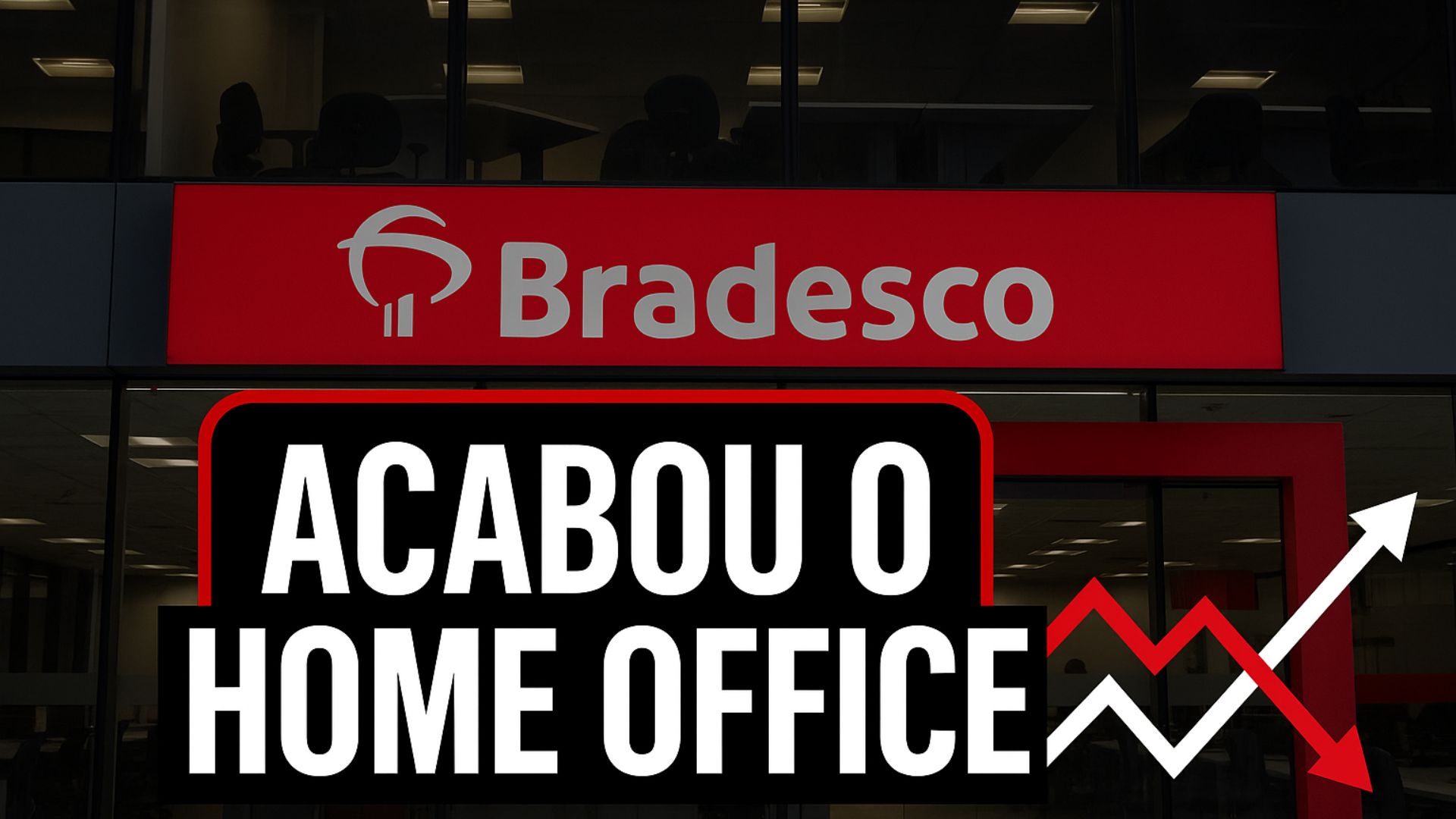


Change In The Work Model Occurs After Internal Pressures And Recent Decisions From Other Banks, Expanding The Debate On In-Person Return And Productivity Monitoring In The Financial Sector.
Bradesco Has Decided To End The Home Office Regime In Two Strategic Areas And Determine The Return To Work 100% In-Person For Nearly 900 Employees Starting In January 2026.
The Change Occurs In The Investment Department, With 844 Bankers, And In A Treasury Directorate, Which Includes An Additional 50 Workers, All Based In The City Of São Paulo And The Osasco Region, Amid The Intense Debate On Productivity Control Initiated By The Itaú Case And The So-Called “Productivity Big Brother”.
Return To Offices At Bradesco
The Decision Was Communicated To The Union Of Bankers Of São Paulo, Osasco, And The Region On December 4.
-
Brazil’s 2026 Tax Refund: Record 9.58 Million Filers in Largest Payout Ever, But a Key Detail on Priority Recipients Draws Nationwide Attention

-
Itaú Alters Hybrid Work Model, Increasing Office Days from 2028, Prompting Employees to Adjust to New Routine
-
Facing Labor Shortage, Japan Plans to Invest $34 Million to Attract Foreign Workers in Construction, Healthcare, Industry, and Commerce

-
Brazilian City Makes Remarkable Leap, Becomes 4th Wealthiest in the Country with GDP of R$ 134.1 Billion




In The Case Of Investments, The Return Is Scheduled For January 2, 2026.
The Treasury (Client Desk) Is Expected To Fully Return To In-Person Work On January 5, 2026, As Informed By The Institution To The Labor Movement.
According To The Union, The Bank Indicated That There Would Be Sufficient Physical Structure To Accommodate All Teams And That The Return To The Office Should Adhere To Adequate Working Conditions.
The Entity Claims To Be Monitoring The Process And Insists That Any Change In Regime Should Be Made With Attention To Health, Safety, And Work Organization.
At The Same Time, Bradesco Emphasizes That It Maintains A Significant Portion Of Its Staff In A Flexible Format.
In A Statement, The Bank States That About 50% Of The More Than 82,000 Employees Currently Work In A Hybrid Model And That The Routine Of Each Area Is Defined By Their Respective Leaders According To Operational Needs.
The Institution Maintains That It “Always Seeks A Balance Between In-Person And Remote Work, Focusing On Productivity And The Well-Being Of People.”
Impact On The Investment And Treasury Sector
In The Investment Sector, The 844 Employees Currently Working Remotely Or In A Hybrid Format Were Informed That, Starting In January, They Must Report To The Offices Daily.
The Communication Respected The Deadline Established In The Collective Agreement For Changes In Work Regimes, According To The Union.
In The Treasury, The Change Affects One Of The Directorates Linked To The Client Desk And Will Involve About 50 Bankers.
In This Case As Well, The In-Person Model Becomes The Rule, With The New Format Set To Begin On January 5, 2026.
The Union Of Bankers Claims That It Has Received Reports Of Concerns About The Impact Of The Change On The Routine Of Those Who Have Reorganized Their Personal Lives Around Telework.
The Entity Highlights Aspects Such As Longer Daily Commutes, Additional Costs, And Family Reorganization For The Care Of Children And Dependents.
Workers’ Mobilization And The Union Position
The President Of The Union Of Bankers Of São Paulo, Osasco, And The Region, Neiva Ribeiro, Classified The Decision As A Movement With A Significant Impact On The Lives Of Affected Workers.
According To Her, Many Expressed Outrage At The Announcement Of A Full Return To In-Person Work Just Before The End Of The Year.
“This Change Has Enormous Impacts On The Routine And Quality Of Life Of These Bankers, Who Rightfully Feel Indignant About The Change, A Terrible Piece Of News At The End Of The Year For Them And Their Families. The Union Wants To Hear These Bankers And Together Define The Next Steps In A Mobilization Movement That Pressures The Bank To Negotiate,” Said Neiva In A Statement From The Entity.
To Discuss The Topic, The Union Called For A Virtual Plenary With The Impacted Workers, Scheduled For December 9 At 7 PM.
The Expectation Is To Gather Bankers From Both Departments To Collect Reports, Align Demands, And Deliberate On Possible Forms Of Pressure And Negotiation With The Bank Management.
The Entity States That It Aims To Ensure That Any Adjustments In Working Hours, Physical Space Reconfigurations, And Ergonomic Conditions Are Observed, As Well As Respect For Specific Cases That May Require Particular Treatment.
Itaú Case Reignites Debate On Digital Monitoring
The Announcement From Bradesco Comes A Few Months After The Crisis Involving Itaú Unibanco, Which Dismissed About A Thousand Employees In Remote Or Hybrid Work Following A Review Process Of Conducts Associated With Home Office.
At The Time, The Bank Stated That The Dismissals Resulted From A “Thorough Review Of Conducts Related To Remote Work And Time Tracking,” Without Detailing The Exact Number Of Workers Discharged.
Unions And Workers Reported The Use Of Activity Monitoring Tools On Corporate Computers, With Records Of Periods Of “Idle Time” And Discrepancies Between Electronic Time Tracking And Actual Usage Of Internal Systems.
The Repercussions Led To The Episode Being Associated With The “Productivity Big Brother”, A Term Used To Refer To Software That Tracks Clicks, Screen Time, And Engagement In Tasks In The Digital Environment.
This Case Fueled The Debate Over The Legal And Ethical Limits Of Employer Control In Remote And Hybrid Regimes.
The Discussion Regarding What Constitutes Low Productivity, How Performance Metrics Are Generated, And How The Worker Is Informed About The Existence Of Monitoring Has Gained Traction In Negotiation Tables.
Nubank Adopts Progressive Hybrid Model
Another Point Of Pressure In The Debate On The Future Of Work In The Financial Sector Is The Decision From Nubank, Which Ended The Nearly Fully Remote Model Adopted Since The Pandemic.
The Fintech Communicated To Employees And The Union That It Will Implement A Structured Hybrid Model Starting In The Second Half Of 2026.
According To The Timeline Released By The Company, The New Format Begins On July 1, 2026, With At Least Two In-Person Days Per Week In The Offices.
From January 1, 2027, The Requirement Increases To Three Days Of In-Person Work, While Keeping The Rest Of The Week In A Remote Regime.
The Change Represents A Break From The Previous Arrangement, Which Only Allowed One Week Of Office Work Per Quarter For Most Of The Team.
The Announcement Provoked Internal Reactions And Resulted In Tensions Between Workers And Management.
Amid A Meeting With Thousands Of Employees To Discuss The Topic, 12 Employees Were Dismissed For Just Cause, According To Reports From The Union And Public Confirmation From The Company.
Nubank States That The Dismissals Were Due To Behaviors Considered Incompatible With The Code Of Conduct And Reiterates That It Does Not Tolerate “Disrespect And Violations Of Conduct.”
Union Entities Contest Possible Retaliation Incidents And Demand That No Worker Be Punished Merely For Expressing Discontent With Changes That Directly Impact The Organization Of Personal And Professional Life.
Trends In Hybrid Work In The Financial Sector
The Recent Decisions From Bradesco, Itaú, And Nubank Occur In A Context Where Hybrid Work Has Consolidated In Some Large Brazilian Companies, But Still Without Consensus On The Ideal Balance Between Physical Presence And Remote Work.
Market Research Shows That, In Recent Years, Hybrid Has Become The Preferred Model For Many Organizations, While Full Home Office Remains Restricted To A Smaller Portion Of Companies.
In The Financial System, Major Banks Have Even Announced Public Commitments To Maintaining Remote Or Hybrid Work For Part Of Their Workforce After The Pandemic.
However, The Combination Of Pressure For Productivity, The Need For Operational Coordination, And Corporate Culture Has Led To A Gradual Review Of These Commitments In Some Institutions.
By Deciding To End The Home Office In Investments And Part Of The Treasury, Bradesco Reinforces This Reevaluation Trend Of The Model, But Insists On The Pursuit Of A Balance Between Flexibility And Physical Presence.
The Way The Bank Will Conduct The Transition, The Response From Bankers In The Plenary Called By The Union, And Possible Negotiations On Exemptions Or Adaptations Are Likely To Indicate To What Extent The Movement Will Be Isolated Or Could Spread To Other Areas In The Coming Months.
In This Context, Many Workers Wonder Whether The Current Cycle Of Changes Represents Merely A Fine-Tuning After The Exceptional Years Of The Pandemic Or The Beginning Of A New Standard Of Control Over Hours, Performance, And Physical Presence In Large Financial Institutions.
What Will Be The Real Space For Home Office In The Bank Where You Work In The Coming Years?








