Portuguese
  Spanish


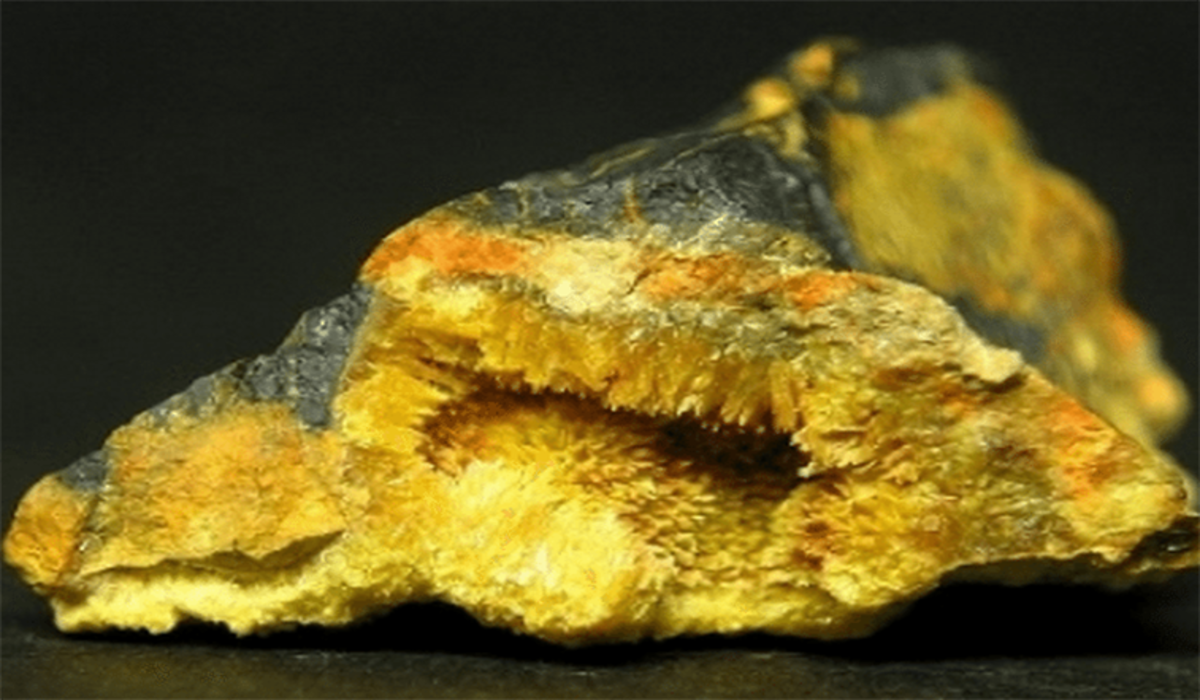

The Brazilian Nuclear Industry (INB) reported that the law allowing private initiative to operate in the research and extraction of nuclear minerals has increased the possibility of exploring Brazil’s uranium deposits, which are not affected by the state monopoly over nuclear minerals. The INB was also questioned about the matter by Diário do Vale.
Despite having opened the private channel, nuclear minerals remain state-monopolized, with all related activities being carried out by the INB. According to the company, “Provisional Measure No. 1,133/2022, enacted on December 29, and converted into Law No. 14,514/22, expands the scope for partnerships and models of associations with private companies for activities carried out by the INB, which is the company responsible for executing the federal monopoly in the entire uranium production chain.”
According to the Superintendent of Revenue Collection and Inspection of the National Mining Agency (ANM), Daniel Pollack, Brazil has enormous potential to be explored. “There is an estimate that Brazil has the 5th or 6th largest uranium reserve. The measure also addresses other nuclear minerals. Following the enactment of the provision, the private market will be able to explore, research, and extract these minerals alongside the INB. We believe this could boost investment, which also generates income and development for the regions with mineral reserves,” he emphasizes.
Energy Transition
For the Director of the Brazilian Association of Mineral Research Companies (ABPM), Luiz Antônio Vessani, this initiative further clarifies the possibilities for partnerships in mineral production; however, it requires changes in aspects related to state participation. It is worth noting that this law has yet to be accompanied by precise regulations, meaning it is still unknown how commercial partners will be chosen.
-
They exchanged the idea of a large house for a 35 m² warehouse, spent US$ 12,000 on the structure, and created a tiny house in Colorado with space to live and work.

-
While modern cities rely on pumps and electricity, in Iran, ancient tunnels carried water through the desert using only slope and gravity.
-
Instead of sending families far from the city, a project in Chile intentionally created incomplete houses on expensive urban land and left technical space for each to grow.
-
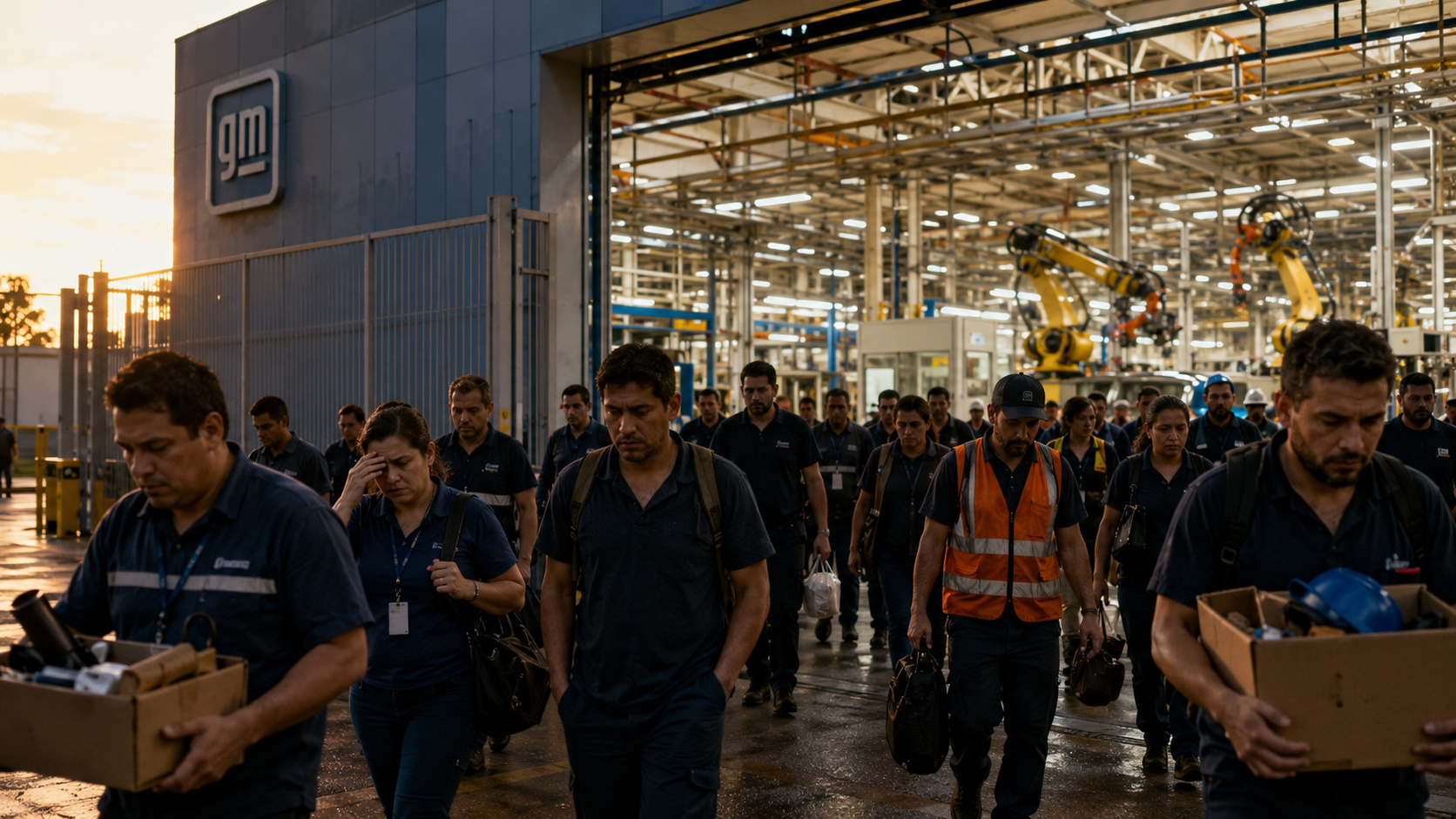
General Motors Replaces Over a Thousand Workers with 50 Cobots at Electric Vehicle Plant, UAW Union Criticizes Move Amid Industry’s Automation Push

“There has been a clearer flexibilization that favors legal security, but the government’s hand remains very heavy on market liberalization. However, uranium has improved somewhat when it is a byproduct,” Vessani considers. Brazil could already be a major exporter, says Senator Vanderlan Cardoso (PSD-GO).
“It is simply opening up for private companies to participate as well. Today, only the federal government holds this. We could be exporting much more uranium if we had already regulated this issue of agencies and nuclear matters,” he pointed out. Another change brought about by the Provisional Measure is the transfer of the INB to the Brazilian Company of Participation in Nuclear and Binational Energy S.A. (ENBpar).
This allowed the entire company that reached financial self-sufficiency to become independent of Treasury resources and exit the Federal Budget, managing its financial resources as well. The INB stated in a note that “exiting the federal budget will result in a significant improvement in planning and execution of the supply chain and raw materials, which will increase the overall productivity of the company, primarily due to the guarantee of continuity in the production of fuel reloads for nuclear power plants.”