






 Portuguese
  Spanish


New Stellantis CEO, Antonio Filosa, Promises “Difficult Decisions” After Loss of R$ 14 Billion. Plan May Include Cuts, Factory Review, and Adjustments in Brands Like Fiat, Jeep, and Citroën.
Stellantis, one of the largest automakers in the world and owner of iconic brands like Fiat, Jeep, Peugeot, and Citroën, is facing one of its most delicate moments since the merger that formed the group. Under the leadership of Antonio Filosa, who took over as CEO in June 2025 following the departure of Carlos Tavares, the company reported a loss of R$ 14 billion in the first half of the year and announced that it will need to make “difficult decisions” to reverse the crisis and save the performance of its strongest brands.
The report released this week shows the severity of the situation: revenue fell from € 85 billion to € 74 billion, operating margin plummeted from 10% to just 0.7%, and net loss of € 2.3 billion (R$ 12.8 billion) contrasts with the significant profits of € 5.6 billion recorded in the same period of 2024.
Antonio Filosa Stellantis: A New CEO Facing the Worst Challenge of the Automaker
In his first statements, Antonio Filosa acknowledged that 2025 is being a “difficult” year, but assured that his management is committed to “fixing what is wrong.” He stated that he intends to “capitalize on everything that is right at Stellantis — the strength and energy of our team, the excellent products in development — to restore profit and significantly improve results.”
-
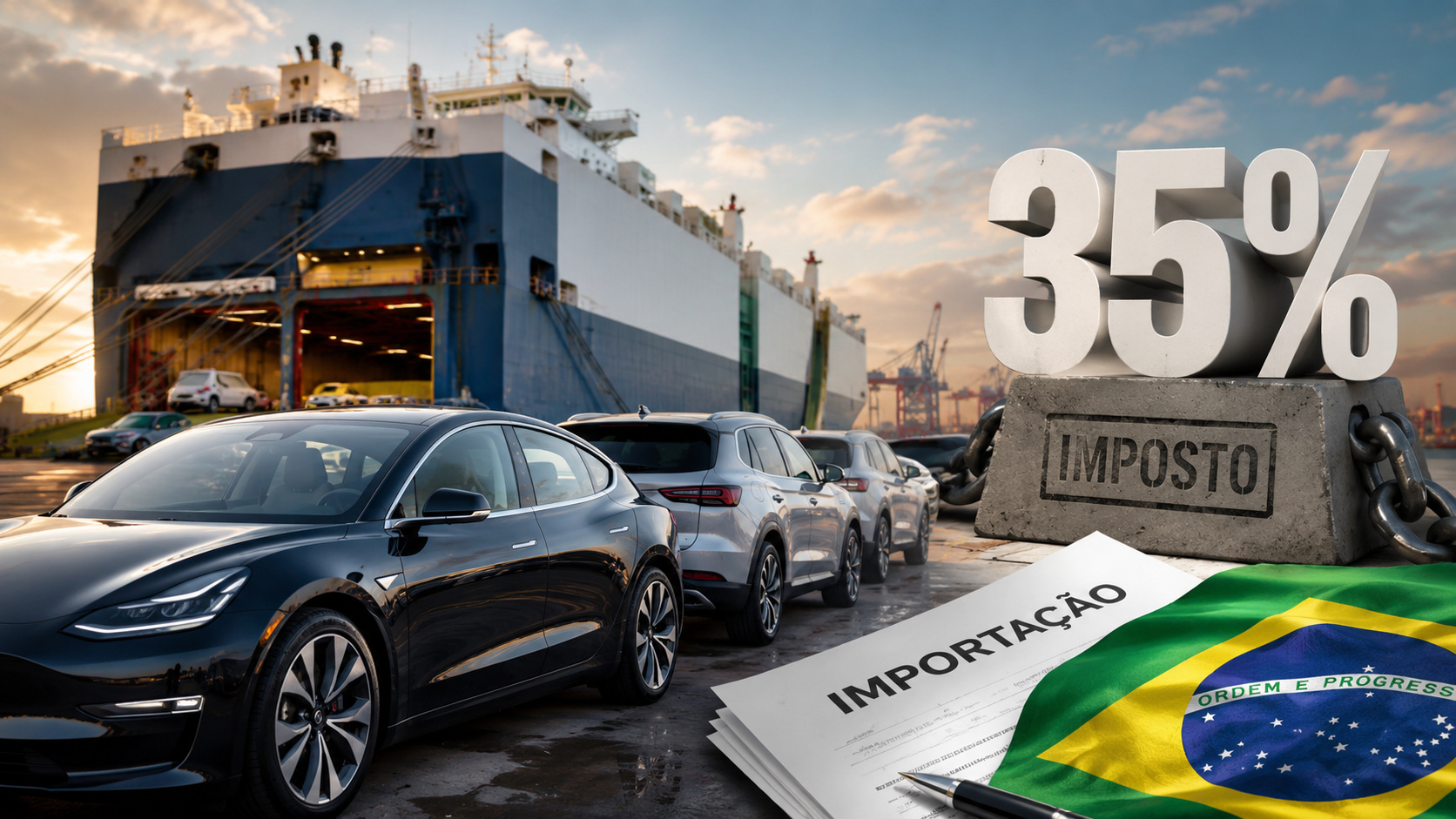
Imported Electric and Hybrid Cars in Brazil Face 35% Tax Increase, Raising Prices Starting July 1st

-
Rio de Janeiro Buses Stop Accepting Cash: How to Pay and Maintain Fare Integration

-
Toll Fees in São Paulo’s Countryside Drop by Up to 50% Starting Today
-
Petrobras Invests $2.3 Billion in Brazilian Coastal Shipyards, Creating Over 5,000 Jobs and Revitalizing the Naval Industry



Although he did not provide details about the recovery plan, Filosa made it clear that the moment requires cuts, factory reviews, and strategic adjustments that may directly impact operations in different markets.
Loss of R$ 14 Billion: The Factors Leading to the Crisis
Stellantis attributes the negative result to a combination of internal and external factors:
- Tariff Uncertainty, particularly highlighting the impacts of U.S. tariffs, which have reduced vehicle exports to the American market.
- Exchange Rate Fluctuations that affected the global financial balance.
- Decline in Sales of Light Commercial Vehicles in Europe, which even led to the closure of the van factory in Luton, UK.
- Below-Expected Performance of B-Segment Models in Europe, whose launches did not boost sales as anticipated.
The repercussions were felt mainly in the group’s two largest markets: in North America, shipments fell by 191,000 units, totaling 647,000, and in Europe, there were 98,000 fewer units, totaling 1.4 million.
South America: One of the Few Positive Points in the Balance
Amid the loss scenario, South America emerged as a rare relief. Stellantis registered a growth of 77,000 units sold in the region, totaling 471,000 vehicles, generating € 402 million in revenue after taxes.
This performance was driven by the success of models like Fiat Strada, Fastback, and Argo in Brazil and Argentina, consolidating the importance of the South American market for the company at a moment of global retrenchment.
Stellantis Recovery Plan: What to Expect?
With the negative results, Antonio Filosa promises drastic changes. The discourse of “difficult decisions” suggests a package of measures that should include:
- Operational Cost Cuts and possible closure of unprofitable units.
- Factory Reviews in regions with low profitability.
- Adjustments in the Product Portfolio, focusing on more profitable models.
- Negotiations to Reduce the Impacts of American Tariffs on exports.
The CEO also bets on the “excellent new products” that are in development to help turn the tide.
Fiat, Jeep, and Citroën: The Brands at the Center of the Strategy
Among the group’s brands, Fiat, Jeep, and Citroën are at the center of the recovery strategy. In Brazil and other emerging markets, Fiat continues to be the main force, supported by high-volume models.
Jeep, on the other hand, is one of the strongest names in SUVs but faces fierce competition and needs innovation to maintain relevance.
Citroën, traditionally stronger in Europe, will undergo portfolio adjustments and repositioning to regain market share amid the decline in B-segment sales.
Maserati and Other Challenges
Maserati, Stellantis’ luxury brand, also felt the impact: only 4,200 units were delivered in the semester, a drop of 2,300 compared to the same period last year. Although it represents a small volume, Maserati’s negative performance reinforces the group’s difficulties on various fronts.
New CEO of Stellantis Faces 2025 with Bold Goals
Antonio Filosa inherited a company in crisis and has made it clear that he does not rule out unpopular measures. The forecast is that the coming months will be even more challenging, as the company estimates additional losses of € 1.2 billion in 2025 due to tariffs imposed by the U.S., despite ongoing negotiations between the Trump administration and trade partners.
Even with the adverse scenario, Filosa maintains an optimistic outlook: “I have strong conviction that we will fix what is wrong because we have talented people and excellent products in development.”
The loss of R$ 14 billion exposes Stellantis’ vulnerabilities and demands a quick and effective restructuring. With “difficult decisions” on the horizon, Antonio Filosa will have to balance cuts and investments to prevent the crisis from further impacting iconic operations and brands like Fiat, Jeep, and Citroën.
The market watches closely. If the recovery plan works, Stellantis may emerge leaner and more competitive. But the road will be tough, and the next measures from the new CEO will be decisive for the future of one of the largest automotive groups in the world.






Nos relatos de crise: Europa , europa, europa, América do norte, europa, europa e europa.
Aí os cara vão meter a acabamento de plástico no Compass daqui, retirar 2 airbags do renegade, colocar motorização aspirada com preço de turbos nos renaults…
Renault não é da Stellantis.
Pode esperar que o negócio vai ficar bonito aparti de amanhã o brasileiro quer saber de curtição e as empresas de dinheiro só a os dois e vira uma bomba relógio e isso mesmo que estava para acontecer e que esperar que a s coisas vão dar certo kkkkk bando de ****
Tudo caiu. Não apenas stellantis. Existem muitas marcas. Reduzam a produção. A população não consegue consumir o que os fabricantes querem. Carros estão mudando, toda hora.