






 Portuguese
  Spanish



The Conflicts Between The Bolsonaro Government And Petrobras Are Bringing Results, Despite Being Minimal, And The State-Owned Company Is Reducing The Price Of Diesel At The Refineries In The Country By R$ 0.20 This Week, Influencing Subsequently The Final Value To Consumers.
Starting this Friday, (08/05), the price per liter of diesel at Brazilian refineries for distributors will be reduced by R$ 0.20 by the state-owned company Petrobras, after a series of pressures from the Federal Government and President Jair Bolsonaro aiming for a reduction in fuel prices. This is the first reduction since May 2021 and, although small, it will bring changes to the final consumer later.
Price Of Diesel At Brazilian Refineries For Distributors Falls R$ 0.20 This Friday After Petrobras Announces Reduction In Fuel Transfer Value
The Brazilian fuel scenario is slowly moving toward stabilization in the coming weeks and, this Friday, a new measure contributes to this, the reduction in the price of diesel passed on at Brazilian refineries to fuel distributors in the country. This is because the R$ 0.20 drop in the average price per liter of the product, announced by Petrobras, takes effect today and may bring benefits to the national transportation sector.
Thus, with the start of the new price, the average price per liter of diesel passed on at refineries to fuel distributors falls from R$ 5.61 to R$ 5.41. This is the first reduction in fuel prices since May 2021, when the product began tracing a path of constant increase each month by Petrobras.
-
With a record production of nearly 3 million barrels per day, Petrobras resumes importing diesel in July, highlighting the bottleneck in Brazilian refining.

-
Qantas and Airbus Invest in Company Aiming to Convert Unsorted Household Trash into Jet Fuel

-
Brazil’s ANP Opens 86 New Oil Blocks in the Equatorial Margin, Expanding the Amazon River Mouth Frontier

-
OPEC+ Boosts Oil Supply by 188,000 Barrels per Day in July 2026, Leading to Price Drop from $112 to $89 per Barrel in Under Two Months
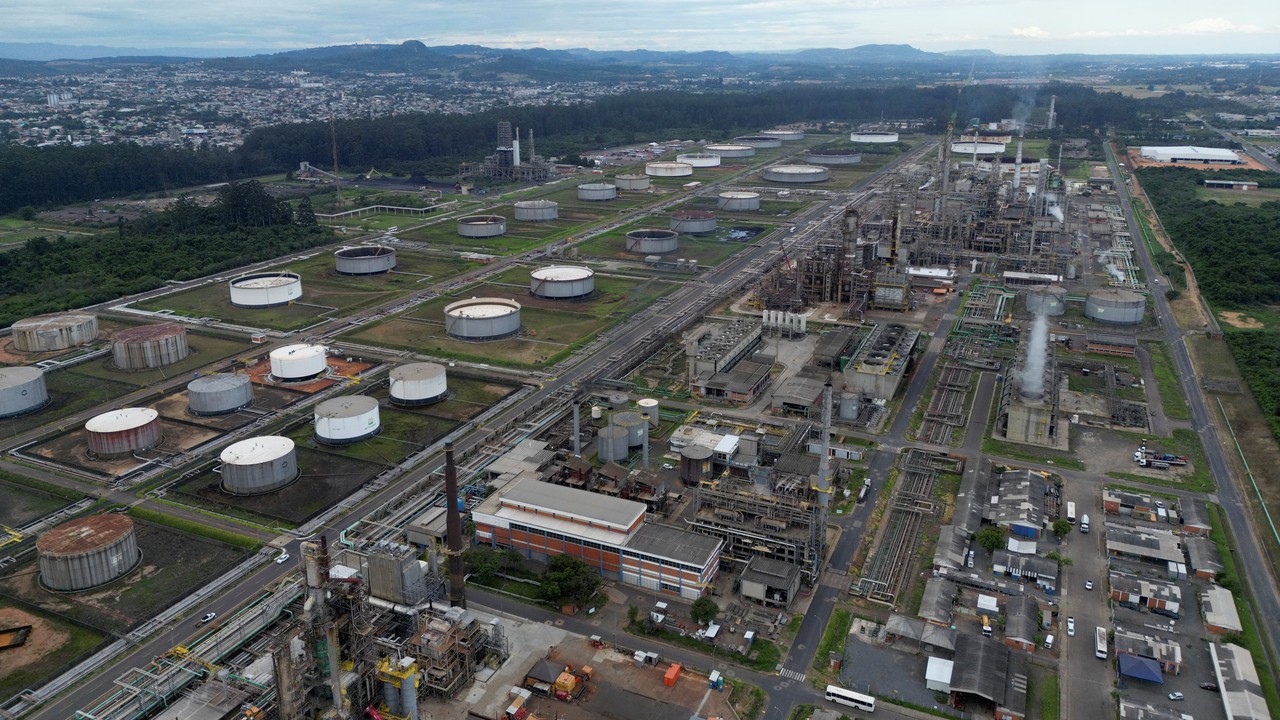


Thus, the state-owned company announced in a statement that “Considering the mandatory blend of 90% diesel A and 10% biodiesel for the composition of the diesel sold at gas stations, Petrobras’ share in the price to the consumer will decrease from R$ 5.05, on average, to R$ 4.87 for each liter sold at the pump.”
Despite this, the final price of fuel to the consumer will not fully depend on Petrobras’ decision, since the value will go through a series of adjustments by the distributors themselves, but a price reduction may occur.
André Braz, an economist at the Brazilian Institute of Economics at the Getúlio Vargas Foundation (Ibre/FGV), also commented that the 3.56% reduction in the price of fuel, while well received, is minor in relation to the accumulated increase over the past 12 months.
State-Owned Company Has Been Pressured By The Bolsonaro Government To Reduce The Price Of Diesel At Refineries And The Suggestion Was Finally Accepted
One of the main reasons that led Petrobras to reduce the average price of diesel per liter at Brazilian refineries by R$ 0.20 this week is the constant pressure being exerted by the Bolsonaro government on the state-owned company.
Amid the electoral race, President Jair Bolsonaro and his ministers are seeking to ensure stabilization of the fuel market in the country.
Another major point that led to the decision, according to the president of the Brazilian Association of Fuel Importers (Abicom), Sérgio Araújo, was the momentary stabilization of oil prices in the international market, as the state-owned company bases its pricing on the international brent value to assess the value of the product and its derivatives in the Brazilian fuel market.
Finally, President Jair Bolsonaro celebrated the drop in fuel prices stating that, although the reduction is small, it still impacts the consumer’s wallet, who will now benefit from the future impact on final prices distributed at gas stations throughout the country.





