Portuguese
  Spanish


Amid Trade Tensions, BRICS Leaders Met Virtually on Monday (8) Under Brazilian Command to Discuss Risks of Unilateralism, Defend Multilateralism, and Strengthen Economic and Political Cooperation Among the Block Countries.
President Luiz Inácio Lula da Silva led a virtual meeting of BRICS leaders on Monday (8), a group that includes Brazil, Russia, India, China, and South Africa, along with invited countries, as reported by the CPG portal early in the morning.
The meeting took place amid rising trade tensions following tariff measures imposed by the United States, with the central agenda focused on defending multilateralism and a more balanced international order.
According to the Palácio do Planalto, the debate lasted about an hour and a half and addressed risks of unilateral measures, impacts of protectionism, and ways to strengthen economic cooperation within the block.
-
European Parliament Approves Digital Euro, Aiming to Challenge Visa and Mastercard’s Dominance and Transform Payments Across Europe by 2029

-
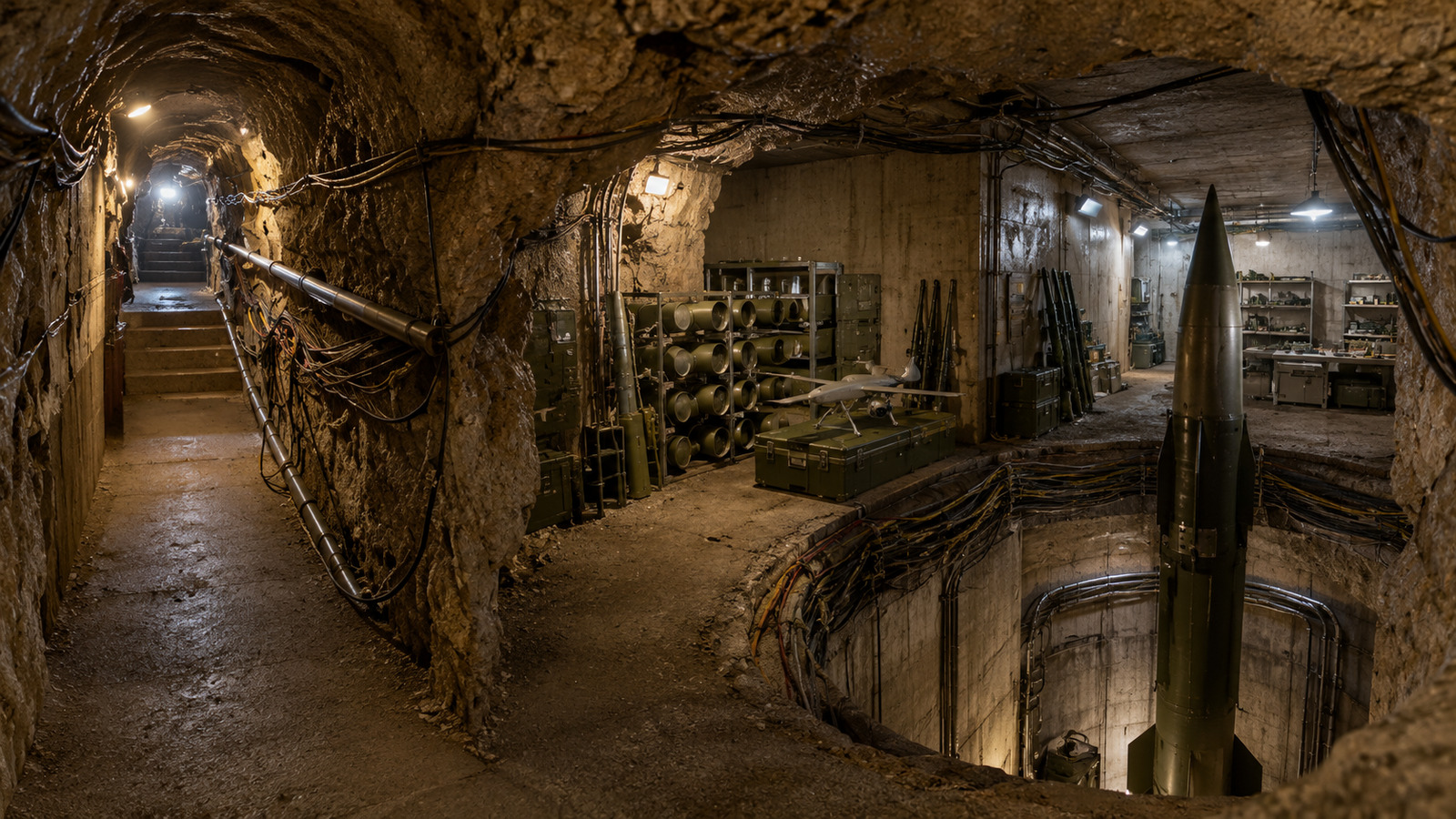
Israel finds Hezbollah militarized tunnel over 200 meters long under village, with 4 missile launch shafts, 12 chambers, anti-tank missiles, drones, and weapons depots at a depth of 25 meters.

-
Ukraine launches largest drone attack on Moscow since 2022, Russia claims to have intercepted nearly 200 aircraft near the capital, Kapotnya refinery targeted again, and offensive reignites alert about war reaching the Russian energy heart just a few kilometers from the Kremlin.

-
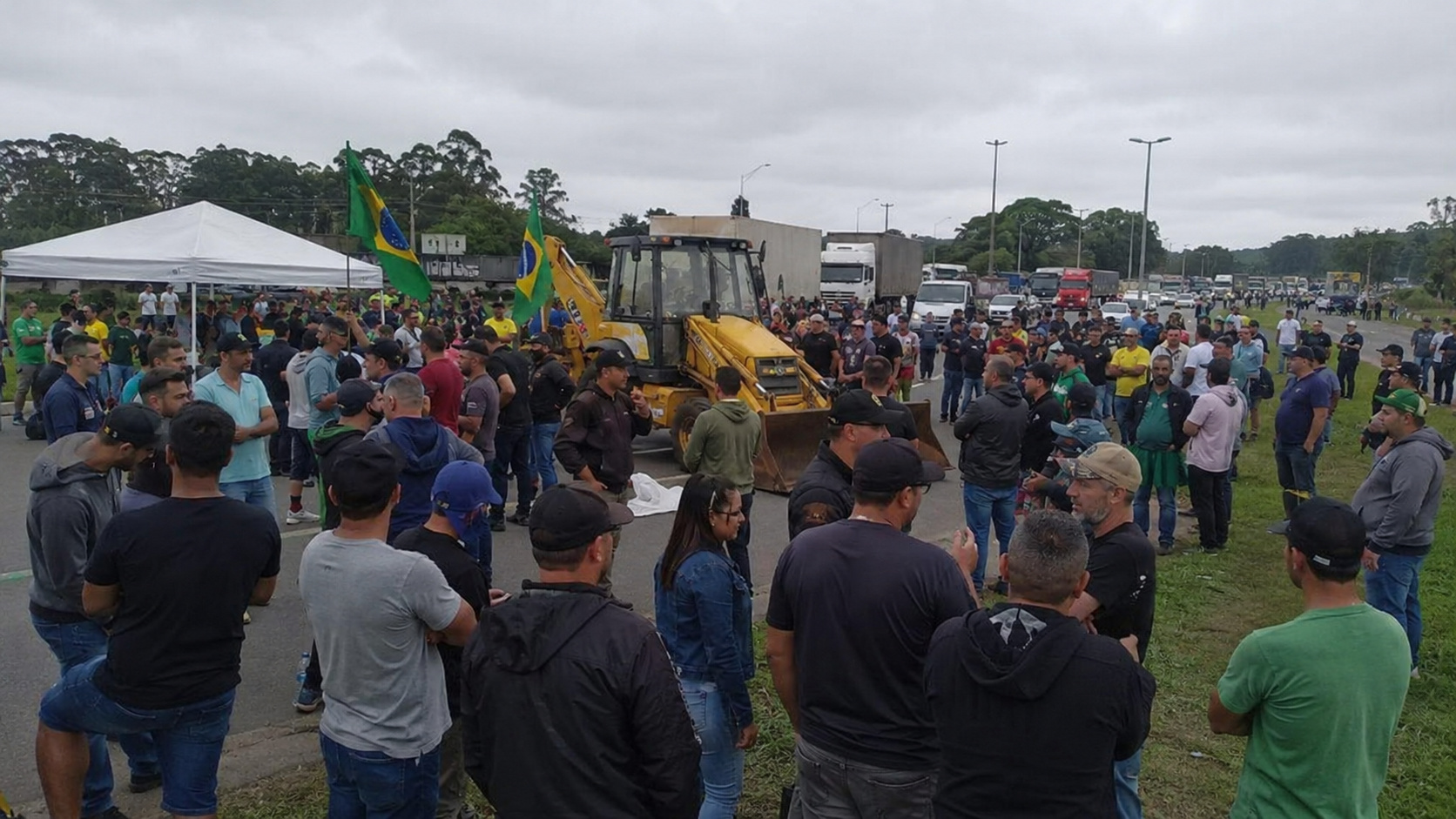
Truck drivers, freight, and fines from 2022 take center stage in politics: Chamber approves MP with amnesty, mandatory tracking by CIOT, million-dollar penalties, and new minimum wage for those who spend more than 24 hours on the road.


The BRICS presidency is currently under Brazilian command, which gave Lula the role of facilitator of the meeting.
Defense of Multilateralism and Criticism of Protectionism
At the opening, Lula stated that BRICS has already demonstrated the ability to provide concrete solutions to global dilemmas, citing recent decisions on climate change, global health, governance of artificial intelligence, and trade integration.
“Just two months after the Rio de Janeiro Summit, we are experiencing a moment of increasing instability. It is becoming clearer that the governance crisis is not a temporary issue. The pillars of the international order established in 1945 are being steadily and irresponsibly eroded,” said the president.
The Brazilian directly criticized the paralysis of the World Trade Organization (WTO) and the imposition of unilateral tariffs that, according to him, have buried basic principles such as the clauses of Most Favored Nation and National Treatment.
“Tariff blackmail is being normalized as a tool to capture markets and to interfere in domestic issues,” he stated.
Economic Integration as a Response
Lula argued that financial and trade integration among BRICS countries is an alternative to mitigate the effects of global protectionism.
He highlighted the bloc’s significance, responsible for 40% of the world’s GDP, 26% of international trade, and nearly half of the planet’s population.
“We have among us major energy exporters and consumers. We possess the necessary conditions to promote green industrialization, which creates jobs and income, especially in high-tech sectors,” he emphasized.
The president also valued the role of the BRICS Bank, pointing out the institution as essential to diversify the economies of the group and support a fair transition.
Ukraine, Middle East, and International Security
In addition to the economic agenda, the meeting addressed international conflicts.
Lula stated that the war in Ukraine requires a realistic solution that takes into account the security concerns of all parties.
He mentioned initiatives from Africa and the Group of Friends for Peace, formed by Brazil and China, as diplomatic alternatives.
The president also condemned Israel’s actions in the Gaza Strip and the West Bank, labeling them as a threat of annexation and as part of a “genocide in progress” against the Palestinians.
He recalled that Brazil joined the action initiated by South Africa against Israel at the International Court of Justice.
“In the void of so many unresolved crises, terrorism continues to haunt humanity. We know that terrorism is not associated with any religion or nationality and should not be confused with public safety challenges,” he added.
International Agenda and Institutional Reforms
The meeting also served as preparation for the 80th United Nations General Assembly, which begins on September 23 in New York, as well as for COP30, scheduled for November in Belém, and the G20 summit, planned for the end of the same month in Brasília.
Lula advocated for the expansion of the UN Security Council, including countries from Latin America, Africa, and Asia.
He also proposed greater governance in the digital environment and the creation of a UN Climate Change Council, in addition to highlighting the Brazilian project to launch the Forever Tropical Forest Fund during COP30.
“Without digital sovereignty, we will be vulnerable to foreign manipulation. The impact of unilateralism is also severe in the environmental sphere. Brazil invites its BRICS partners to consider the creation of a UN Climate Change Council,” he stated.
Broad Participation
In addition to China, Russia, India, and South Africa, representatives from new member countries and invited nations, such as Egypt, Iran, Indonesia, Ethiopia, and the United Arab Emirates, were present.
At the closing, Lula stated that BRICS has consolidated as a force to defend multilateralism and as an active voice of the Global South.
“We have the legitimacy necessary to lead the reestablishment of the multilateral trade system on modern, flexible bases that address our development needs,” he concluded.
The meeting reinforced Brazil’s position to confront unilateral measures and seek greater international cooperation.
The question that remains is: to what extent will BRICS be able to turn this discourse into concrete actions in an increasingly fragmented global scenario?