Portuguese
  Spanish


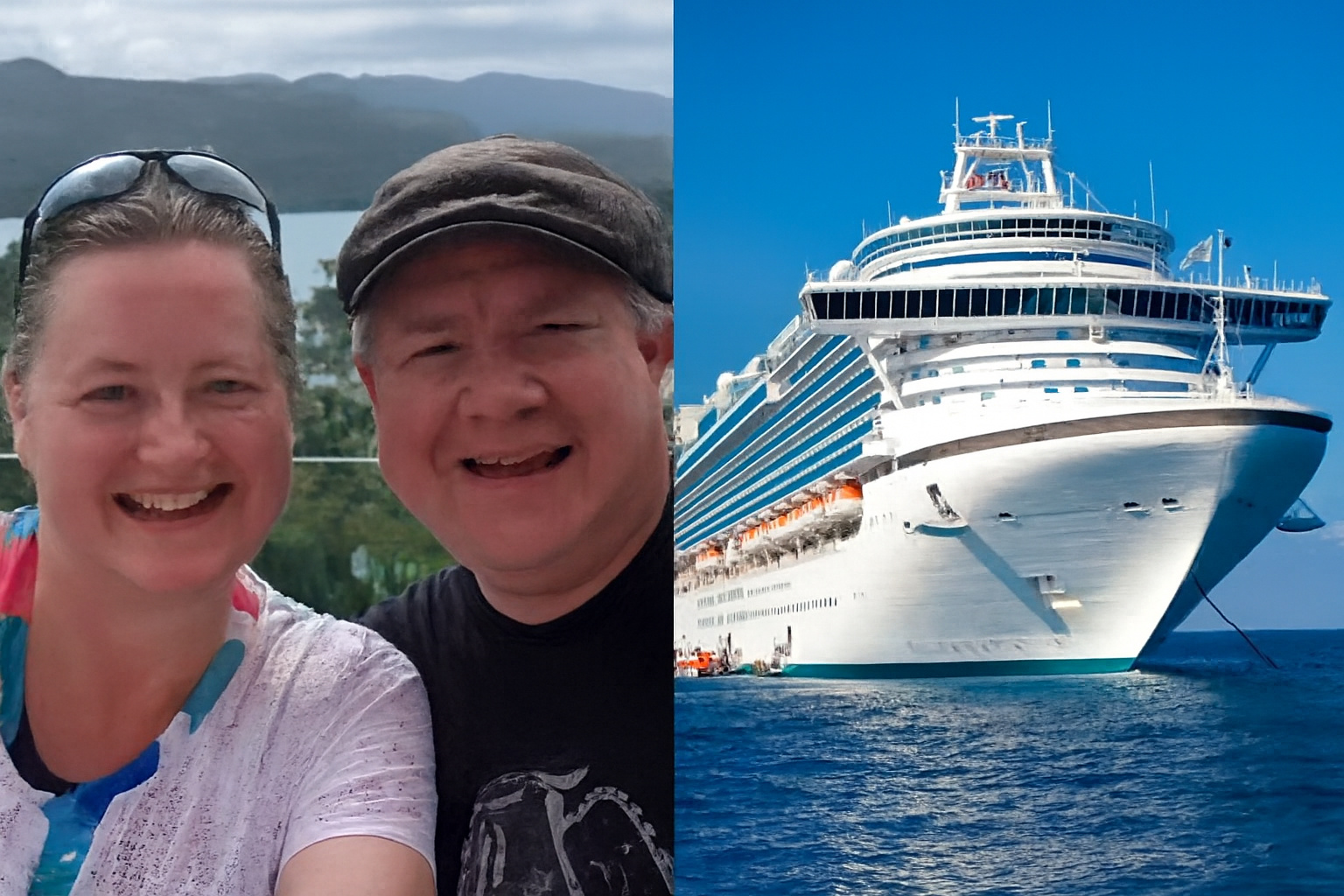


Retired Couple Sells House, Boards Ships, and Lives Traveling the World for Years; They Have Already Visited 75 Countries and Say They Spend Less Than They Lived on Land.
What seems like a distant dream for many has become the routine of a retired couple who decided to turn the ocean into a permanent address. American Richard Burk and his wife Angelyn Burk, both from Washington state, sold their house, got rid of their belongings, and swapped terrestrial life for permanent living on cruise ships. Since May 2021, they have been living on board, moving from one ship to another, and have visited over 75 countries, exploring destinations on all continents—from Alaska to Australia, from the Mediterranean to the Caribbean.
The decision was motivated by a simple calculation: living at sea costs less than maintaining a house in the United States. According to the couple, the sum of taxes, maintenance, utilities, food, and transportation exceeded the amount they currently spend on cruise tickets. Today, the couple lives on an average budget of US$ 100 per day, which amounts to about R$ 15 thousand per month, including lodging, full meals, cleaning, entertainment, and even basic medical care on board.
“We did the math and realized we could live traveling, with everything included, for less than we would spend living on land,” explained Angelyn to the portal Toronto Life, which documented their case. For the couple, the maritime lifestyle brought freedom and security: “We have a peaceful routine, we meet new people, and we wake up in a different destination every week.”
-
At 9, Hailey Builds Mini Shelters for the Homeless Using Recycled Materials in Her Backyard

-
Seven-Year-Old Nicknamed Hulk Wins Gold in Brazilian Jiu-Jitsu After Defeating South American Competitors

-
Once Burdened by $90,000 in Debt and a Divorce, Now Leads a Beauty Group Targeting $150 Million by 2026
-
Ice Cream Shop Grows from 39 Square Meters to $19 Million Revenue with Popsicles Sold at 20 Cents in Brazil




The Calculation That Changed The Couple’s Life
Richard and Angelyn worked for decades—he as an engineer and she as an accountant. Upon retiring, they began to travel frequently, and the idea of living on board naturally arose after years of vacations spent on ships.
Instead of buying a smaller house or moving to a retirement community, the couple decided to sell all their belongings, including the car and the property, and use the proceeds to fund continuous travel.
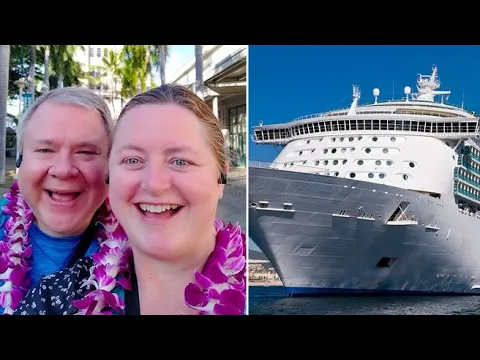

They discovered that by booking cruises in advance, taking advantage of promotions, and opting for consecutive routes, the daily cost fell below US$ 100, a low amount compared to the average expenses of American retirees.
The package includes full meals, shows, gym access, basic medical care, and daily cabin cleaning—expenses that, in a life on land, would be spread over separate monthly bills.
“We live without worries. We have no mortgage, no utility bills, water, or internet. Everything is included. And when the ship arrives at a new port, we simply disembark and explore the destination,” Richard said.
Routine At Sea
Life on board follows a different routine from the conventional. The couple spends two to three weeks on each ship, alternating between companies like Royal Caribbean, Holland America, and Carnival Cruises. When there is a gap between trips, they spend short periods on land, usually staying in hotels near the departure ports.
According to them, the routine is organized to optimize costs and travel time. The trips are planned based on the availability of economy cabins and longer itineraries, which reduces the daily cost.
“There are repositioning cruises, when the ship changes regions, that cost less and allow us to cross oceans for little,” Richard explains.
The couple says they do not miss traditional life or the attachment to material possessions.
“Our friends ask us if we ever get tired, but we always say no. Every morning, we wake up in a different country. The view changes, the people change, and that’s what keeps us young,” Angelyn says.
Living At Sea: A Growing Trend
The phenomenon of turning ships into permanent residences is on the rise. Companies like Storylines and Villa Vie Residences are already selling maritime apartments with lifetime plans, aimed at people who wish to live permanently at sea. Prices range from US$ 300 thousand to US$ 1.5 million, with itineraries that circle the globe every three years.
According to the Cruise Lines International Association (CLIA), the number of long-term passengers increased by 18% between 2019 and 2024, driven by retirees seeking convenience and financial stability in a safe environment.
With the rise of all-inclusive cruises and the increasing cost of living in big cities, living aboard has become more financially feasible for a segment of the population.
Richard and Angelyn’s case has gained attention precisely for illustrating this new economic logic: while housing prices have skyrocketed in the United States, the couple found at sea a sustainable way to enjoy retirement with comfort and predictable expenses.
Psychological Impact And Lifestyle
Although life at sea may seem idyllic, the couple admits that the adjustment required planning and detachment. The first months were marked by uncertainty and longing for friends, but over time, the routine on board became natural.
Today, Richard and Angelyn have a network of acquaintances among crew members and frequent passengers, which transforms each trip into a reunion. “We already know many staff members’ names, and they remember what we like to eat. It’s like living in a floating neighborhood,” jokes Angelyn.
The choice also brought health benefits. They both walk on deck daily, participate in dance classes, and avoid long periods of inactivity. “We have never felt so active,” says Richard. “There’s always something to do, and the food is balanced.”
The Future On Board
The couple has no plans to return to life on land. In the coming years, they intend to continue traveling and possibly acquire a permanent maritime residence plan on residential ships, which are becoming popular in the international market.
“As long as we have health, the sea will be our home,” says Angelyn.
They dream of reaching the milestone of 100 countries visited by 2026, which could establish them as one of the couples with the longest continuous time living on cruises in the world.
The story of Richard and Angelyn Burk reflects a global trend: the quest for freedom and new ways to live retirement without the burden of routine and fixed expenses. Instead of walls, they have horizons. Instead of an address, coordinates.
What started as an adventure has turned into a new lifestyle—a reminder that for those who plan and adapt, the sea can be more than a crossing: it can literally be a home.