






 Portuguese
  Spanish
  5 min of reading
  0 comments


Argentina fell to the worst category in the Global Rights Index of the International Trade Union Confederation and is now among the ten worst countries to work in. The report points to increasing repression of unions under Javier Milei and describes Latin America as the most hostile region to workers’ rights.
Argentina entered for the first time the list of the ten worst countries in the world to work, according to the Global Rights Index released this Monday (1st, local date) by the International Trade Union Confederation (ITUC). The country fell to category 5, the worst level of classification, in the second consecutive year of decline under the government of Javier Milei.
For the entity, conditions for workers and unions have become increasingly repressive and hostile in the country. The report cites, for example, an anti-blockade protocol that authorizes the indiscriminate use of police force in protests, and classifies Argentina’s fall, which went from category 3 to 5 in just two years, as abrupt and unprecedented.
Why Argentina entered the list of the worst

Category 5 includes the countries considered the worst in the world to work in, where, even if the law provides for certain rights, in practice workers cannot access them. It is to this group that Argentina has plummeted, in what the International Trade Union Confederation describes as an unprecedented deterioration. In just two years, the country went from category 3 to 5, marking the second consecutive decline in the evaluation.
-
Federal Police involved in the case to identify the person responsible for hacking the Civil Defense system, which sent ten false alerts, frightened residents of different capitals, and turned messages about real risks into notifications with “misanthropy” and even alien attacks.

-
Extreme drought causes ghost village to reappear at the bottom of the reservoir that supplies Athens, revealing houses, a school, and ruins swallowed since the 1980s as the lake shrinks and exposes the water crisis threatening the capital of Greece.

-
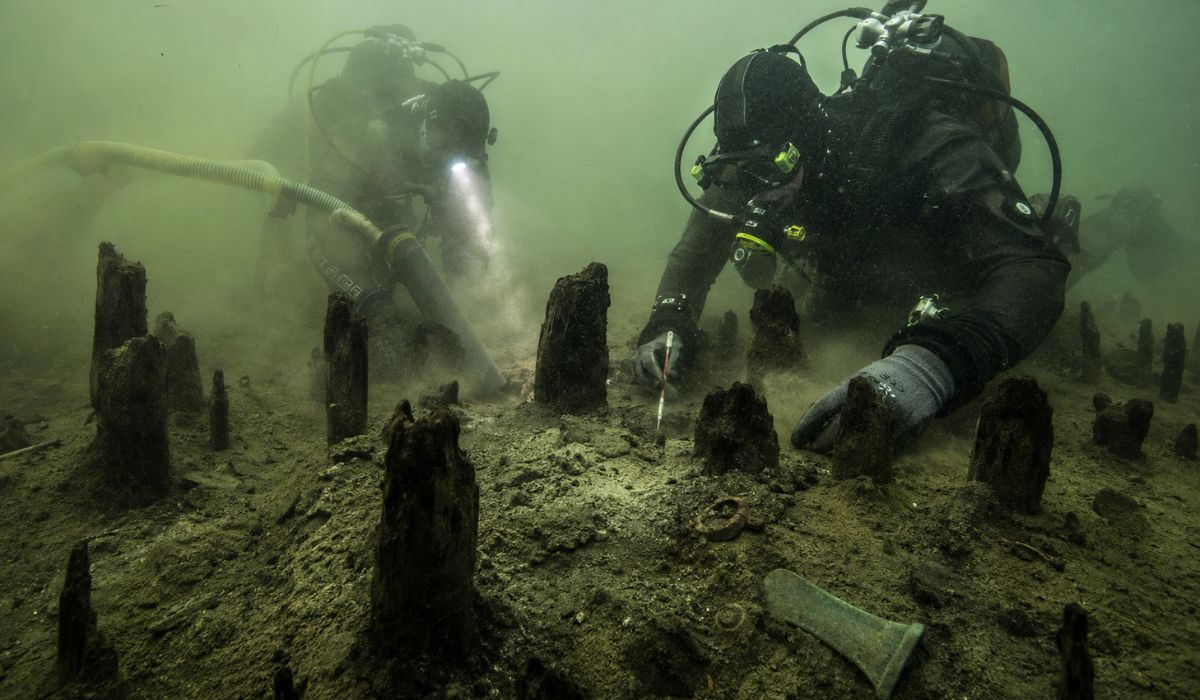
An entire village lay asleep at the bottom of a lake for 3,000 years: divers suction sediments in Italy and reveal more than 600 wooden stakes, bronze tools, and traces of a Bronze Age settlement hidden underwater.
-
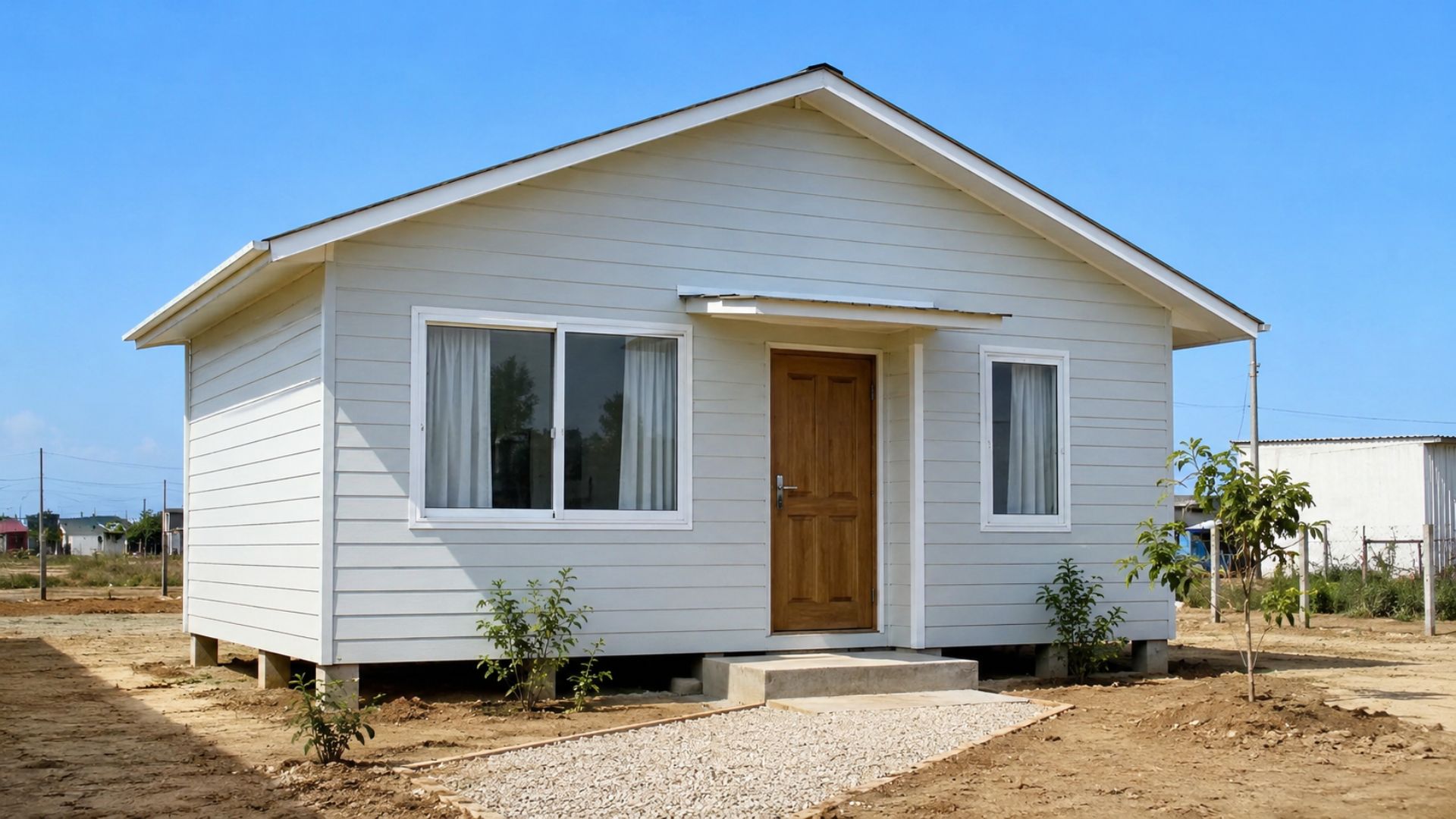
They call it the “Shopee house” and even cardboard, but the R$ 20,000 house is a certified Wood Frame from Alea, financed by Minha Casa Minha Vida: understand if it’s worth more than masonry.


According to the study, the environment for workers and unions became more hostile under the management of Javier Milei. One of the points cited is the anti-blockade protocol, created to maintain public order in cases of road blockages, but which, in the entity’s assessment, opens space for the indiscriminate use of police force. The government defends this type of measure as a way to ensure circulation and order, but the ITUC sees it as part of a repression framework. With the change, Argentina now shares the group of the ten worst with Belarus, Egypt, Eswatini, Myanmar, Nigeria, Tunisia, and Turkey.
Panama and Ecuador also join the group
Argentina was not the only Latin American country to enter the most critical list. Panama and Ecuador also joined the group of the ten worst, expanding the presence of Latin America at the worst level of the index. In Panama’s case, the entity states that workers and unions lack guarantees for their basic rights and face constant pressure from employers and the State.
Regarding Ecuador, the report highlights the approval, in 2025, of a law that allows surveillance without a judicial order, as well as the interception of communications and the collection of private data. These are measures that, according to the ITUC, help explain why these countries were downgraded and reinforce the concern about workers’ rights in the region.
How Brazil and its neighbors appear in the index
According to information published by Revista Fórum, the index distributes the 151 evaluated countries into five categories. Brazil appears in group 4, of systematic rights violations, alongside Costa Rica, El Salvador, Peru, and Trinidad and Tobago. One step above, in group 3, of regular violations, are Bahamas, Bolivia, Chile, Jamaica, Mexico, and Paraguay.
In group 2, of repeated violations, are Spain, Portugal, and the Dominican Republic. Meanwhile, group 1, reserved for countries with only sporadic violations, includes nations like Germany, Austria, Denmark, Iceland, Ireland, Norway, and Sweden. This snapshot shows how Argentina and much of Latin America are far from the countries best evaluated in workers’ rights.
Uruguay, the exception in Latin America
Amid this scenario, one country in the region stands out on the positive side: Uruguay is the only Latin American country in group 1, alongside the democracies of Northern Europe. The International Trade Union Confederation treats the case as an exception in a Latin America widely marked, according to the report, by union repression and exploitation.
The contrast is strong. In general, the region is described as the most lethal in the world for workers and their representatives, with records of extrajudicial executions in Colombia and Mexico. The study also points out that, in about 9 out of 10 countries, the right to strike was violated and the registration of unions was prevented, and that, in around half of the 25 countries analyzed in the region, workers were detained or imprisoned.
A warning about workers’ rights in democracies
For the general secretary of the ITUC, Luc Triangle, the portrait of 2026 shows that the crisis of workers’ rights is no longer a problem of a few countries and has started to affect the heart of democracies. In his view, governments have not only stopped protecting workers but, in some cases, have contributed to weakening these guarantees.
Prepared by the entity since 2014, the Global Rights Index classifies 151 countries based on 97 indicators grounded in the conventions and jurisprudence of the International Labour Organization (ILO). It is this methodology that gives weight to the report’s message and that places the entry of Argentina among the worst as a warning sign for the region.
Argentina’s entry into the group of the ten worst countries to work in reignites a discussion that divides opinions: are harsh measures against blockades and protests a defense of order or an attack on workers’ rights?
Tell us in the comments if you think the International Trade Union Confederation’s index accurately portrays reality or if you see exaggeration in the assessment of Javier Milei and Latin America. Your opinion can heat up the debate.




-

1 person reacted to this.