Portuguese
  Spanish



Exploring Apple Park, The Final Masterpiece of Steve Jobs, This Article Dives into the Innovative Architecture and Sustainable Practices That Symbolize Jobs’ Legacy, While Highlighting Apple’s Historical Milestone of Reaching 3 Trillion Dollars in Market Value in 2023
Apple, a pioneer in the technology sector, recently reached a historical milestone, achieving 3 trillion in market value in 2023, currently standing at 2.6 trillion dollars, becoming the first company to hit this impressive figure. But beyond the numbers, Apple’s legacy of innovation, led by Steve Jobs, continues to resonate, especially in Apple Park, considered the most advanced office building in the world.
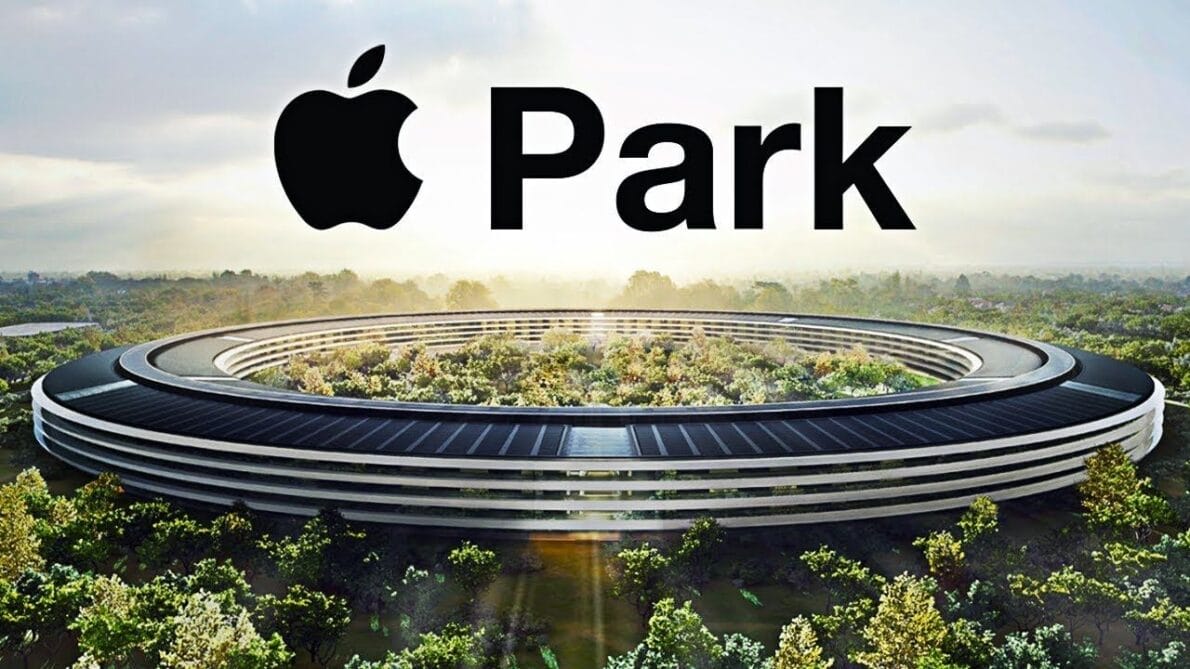
Before passing away in 2011, Steve Jobs dedicated his final days to the development of Apple Park, reflecting the spirit of innovation he instilled in the company. With the help of English architect Norman Foster, Jobs envisioned a space that encourages creativity and collaboration. The design of Apple Park, with its iconic ring shape, not only symbolizes aesthetic perfection but also facilitates an open environment for the exchange of ideas. The project’s cost was initially estimated at 3 billion dollars but ultimately reached around 5 billion dollars upon completion.
Apple Park: Innovation and Sustainability in the Heart of Silicon Valley


Located in the heart of Silicon Valley, Apple Park is not just an architectural marvel but also a model of energy efficiency and sustainable design. The campus is powered by 100% renewable energy, featuring one of the largest solar panel systems in the world, reflecting Apple’s commitment to sustainability. And of course, the complex encourages interaction and health, with extensive green areas and pathways designed to promote employee well-being.
-
A 180-meter ship with a deck the size of a football field was christened to carry 25,000 tons of giant energy modules around the world.

-
While modern cities rely on pumps and electricity, in Iran, ancient tunnels carried water through the desert using only slope and gravity.
-
In the land of soybeans, Sinop’s first 42-story skyscraper will consume 1,900 truckloads of concrete and 350,000 kilograms of steel, with a foundation of 50 meters, deeper than that of the future “tallest building in Brazil” in Balneário Camboriú.
-
In Brazil’s backyard: Tesla, by Elon Musk, announces official operations in Uruguay, where electric vehicles already make up 20% of new cars but still leaves out the largest market in the region.


A Monument to Steve Jobs’ Vision
Apple Park is not just a workplace; it is a monument to Steve Jobs’ vision and his lasting impact on Apple and technology as a whole. Every aspect of the park, from the curved glass panels to the natural ventilation system, reflects the meticulous attention to detail that Jobs and his team dedicated to the project. The Steve Jobs Theater, an impressive structure within the campus, serves as a constant reminder of his legacy, hosting events that announce Apple’s latest innovations.
Apple Park symbolizes the journey of continuous innovation at Apple, from the launch of the first personal computer to modern advancements in technology. Steve Jobs’ vision of creating a space that not only houses creativity but also nurtures it continues to inspire future generations. With Apple Park, Apple reaffirms its status not just as a tech giant but as an icon of innovation and design.
Apple History
Apple was founded in 1976 by Steve Jobs, Steve Wozniak, and Ronald Wayne in Cupertino, California. It began by revolutionizing the personal computer market with the Apple I and Apple II. In the 1980s, it launched the Macintosh, introducing the graphical user interface and the mouse. After a phase of ups and downs and Jobs’ temporary departure, he returned in 1997, restructuring the company and leading to innovations such as the iMac, iPod, iPhone, and iPad.
Apple has stood out for integrating hardware, software, and services, leading in innovation and reaching a trillion-dollar market value. Steve Jobs passed away in 2011, but his legacy continues in Apple’s culture of innovation and in Apple Park, reflecting Jobs’ vision for the future.