Portuguese
  Spanish


Adjustments announced by Apple on June 25 affect MacBooks, iPads, HomePod, and Apple TV after a sharp rise in memory and storage costs
According to the company, the advancement of artificial intelligence data centers has rapidly increased the demand for components used in computers, tablets, and other electronics.
The company stated that it managed to absorb the costs for some time. However, the pressure on costs led to the adjustment of different products.
-
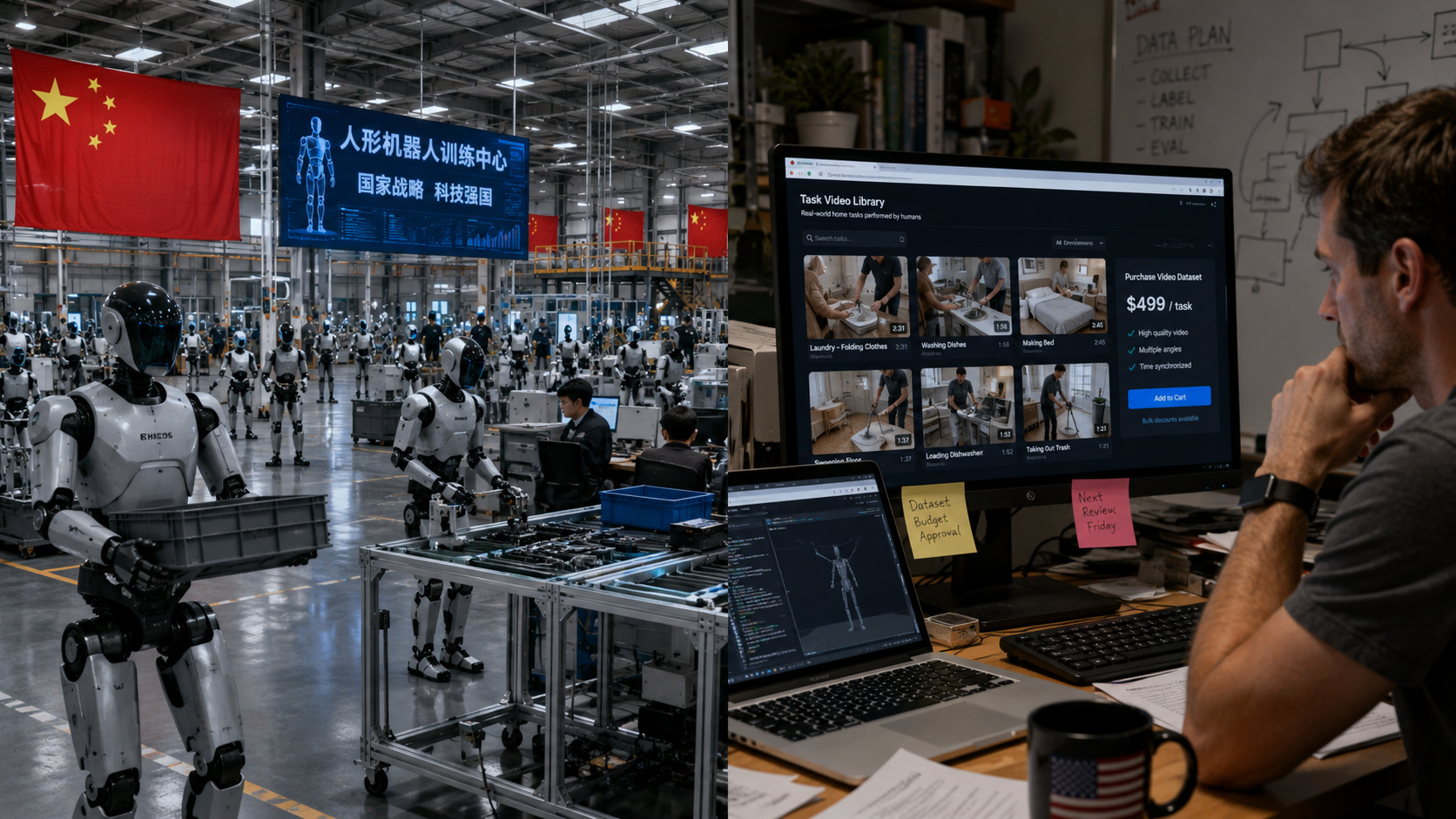
China Establishes State Centers to Train Humanoid Robots, While the West Lags Behind with Makeshift Solutions

-
The Trap of Modern Technology: How Screen Overload and Digital Connections Can Impact Your Mental Health and Well-being
-
Wyoming Couple Grows Tropical Fruits Year-Round in -40°C Using Geothermal Greenhouse, Demonstrating Earth’s Heat Can Produce Oranges and Lemons in Snow Without Traditional Heating

-
Ship Returns from Brazilian Coast with Thirty Newly Discovered Life Forms


The iPhone was not included in the changes announced by the manufacturer. The device remains the company’s main source of revenue.
MacBook Neo becomes $100 more expensive a few months after launch
The MacBook Neo, Apple’s cheapest model, went from $599 to $699.
Launched in March 2026, the notebook was developed to compete with affordable computers equipped with Windows and Chromebooks.
The new price removed the $100 advantage the device had over the Dell XPS 13.
Launched the previous month, the Dell model also costs $699 and directly targets the same audience.
The change also placed the MacBook Neo above the price of some Chromebooks sold by Lenovo and Asus.
Apple applies increases of up to $300 on MacBooks and iPads
The values published on Apple’s website show increases in basic models and more advanced configurations.
Among the main adjustments announced are:
- MacBook Neo: from $599 to $699;
- MacBook Air with 512 GB: from $1,099 to $1,299;
- MacBook Pro with 1 TB: from $1,699 to $1,999;
- iPad Air with 128 GB: from $599 to $749.
The increases reach $300, depending on the configuration chosen by the consumer.
Apple also raised the prices of both versions of the HomePod and the streaming device Apple TV.
The new prices of these devices, however, were not detailed by the company in the announcement.
Apple shares were down 0.7% in pre-market trading following the announcement of the adjustments.

Tim Cook had already warned about higher memory costs
Apple reported in April 2026 that its inventories helped keep profit margins above market expectations.
The warning about costs, however, had already been presented to investors.
During a conference with analysts at the end of April, CEO Tim Cook stated that the company expected significantly higher expenses for memory.
The executive also stated that the impact of these components would progressively increase on the manufacturer’s business.
The company confirmed in June that it reached the point of no longer being able to fully absorb the increase in expenses.
Artificial intelligence drives demand for memory chips
The expansion of artificial intelligence has triggered a strong rush for chips used in servers and data centers.
Memory manufacturers, such as Micron, began to prioritize orders related to the AI sector, including orders from companies like Nvidia.
The strategy boosted the results of the manufacturers. The supply destined for computers, tablets, and smartphones, on the other hand, was reduced.
The imbalance forced electronics companies to pass on some of the additional costs to consumers.
Micron announced on Wednesday, June 24, $22 billion in long-term commitments with clients interested in securing supply.
DRAM memory price rises up to 98% in 2026
Data from consultancy TrendForce shows that DRAM memory prices advanced up to 98% in the first quarter of 2026.
The projection for the current quarter indicates a new increase between 58% and 63%.
DRAM is present in virtually all modern electronic devices. Any significant increase can directly affect production costs.
Experts have started calling the phenomenon “RAMageddon”, referring to the speed and intensity of the adjustments.
The accelerated construction of data centers focused on artificial intelligence appears as one of the main drivers of this pressure.
Smartphone and computer market may shrink
The consultancy IDC estimates that the global smartphone market could register a decline of almost 14% in 2026.
The result would represent the largest annual contraction ever observed in the segment.
Global computer sales, in turn, are expected to decrease by 11.3% in the same period.
Higher prices may limit the demand for new devices, especially among consumers looking for entry-level models.
Ben Bajarin, CEO of Creative Strategies, assesses that the memory market will remain structurally challenging in the near future.
The adjustment made by a company with an efficient supply chain increases concern about the rest of the industry.
Apple’s increase may anticipate adjustments in other brands
Apple’s decision reinforces that the effects of the advancement of artificial intelligence are not restricted to large technology companies.
Consumers of notebooks, tablets, and other electronics are already beginning to feel the effects of the global race for components.
Other manufacturers may adopt similar adjustments if the supply of memory remains limited and costs continue to rise.
Apple stated that it recognizes that the change does not represent welcome news. The company also stated that it is working to find solutions.
In your opinion, will other manufacturers also increase the prices of notebooks, tablets, and smartphones because of artificial intelligence? Leave your comment!