






 Portuguese
  Spanish


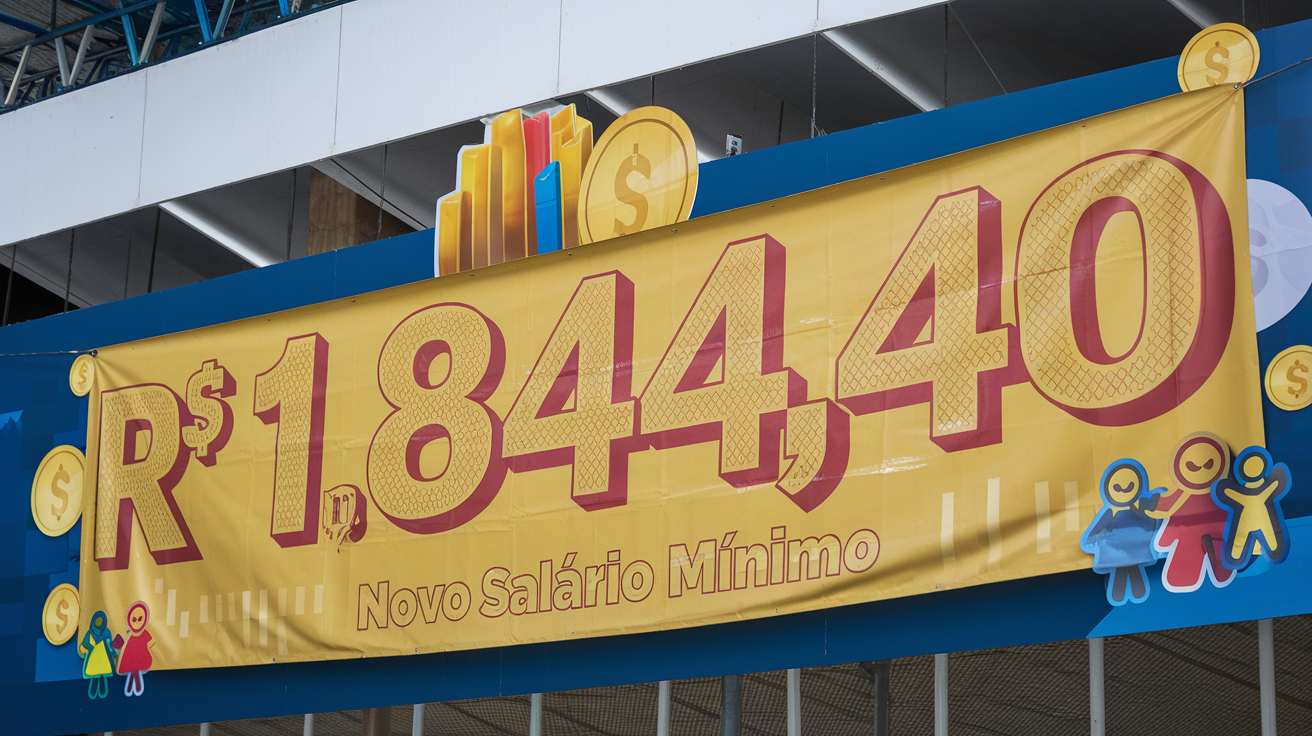


State Minimum Wage Now at R$ 1,844.40 Surpasses the National and Promises to Strengthen the Local Market. The Measure Values Workers, Encourages Consumption, and Represents a Progress in Quality of Life.
Workers in Santa Catarina Will Receive a New Boost in 2024: the adjustment of the state minimum wage to R$ 1,844.40.
The amount, significantly higher than the national floor of R$ 1,412, reflects a collective effort to improve the purchasing power of the population, directly impacting the state’s economy.
After intense negotiations among unions, employers and the state government, the increase was approved by the Legislative Assembly of Santa Catarina.
-
Polish Billionaire to Invest £35 Billion in Building 14 Small Nuclear Reactors Across the UK for Over 60 Years of Energy Production

-
White Martins CEO Plans $200 Million Investment by 2026, Boosts Focus on Industrial Gases and Green Hydrogen in Brazil

-
$1.5 Billion Project to Deploy 2,000 LNG Trucks and Establish Brazil’s Largest Gas-Powered Heavy Transport Network
-
Major Appliance Manufacturer Closes Factory in Argentina, Shifts Production to Brazil, and Restructures in Latin America with Mexico Closure, Investing Up to $165 Million




According to Mário Cezar de Aguiar, President of FIESC, the measure is essential to balance the demands of workers and the economic health of companies.
This new minimum wage reinforces the state’s role as a reference in valuing the workforce.
Salary Ranges Adapted to Meet Diverse Sectors
Santa Catarina adopted a model of four salary ranges, each aimed at specific economic sectors.
This segmented approach allows addressing the particularities of each category, promoting greater fairness in remuneration.
- First Range – R$ 1,612.26: intended for workers in agriculture, construction, and domestic services.
- Second Range – R$ 1,670.56: covers various sectors such as retail and basic industries.
- Third Range – R$ 1,769.14: includes chemical, pharmaceutical, and food industries, where production costs are higher.
- Fourth Range – R$ 1,844.40: salary cap, intended for specialized and highly qualified professionals.
“These salary ranges were designed to meet the needs of each sector, ensuring balance among the different areas of the economy,” Aguiar emphasized.
Expected Economic and Social Impacts
With the minimum wage increase, a positive wave in the economy of Santa Catarina is expected. The greater purchasing power of workers should boost consumption, benefiting sectors such as retail, services, and industry.
Small businesses may also benefit from increased cash flow, which tends to create a ripple effect of economic growth.
Experts project that the increase could generate jobs and attract investments, strengthening the internal market.
However, employers will need to adapt their budgets to meet the new scenario. Despite this, the change is viewed as positive for the sustainability of the state economy.
Santa Catarina as an Example in the National Scenario
Santa Catarina consolidates its role as an example of progressive wage policies in Brazil.
While Northern and Northeastern states face greater wage inequalities, Santa Catarina demonstrates that it is possible to value the workforce without compromising economic competitiveness.
The national minimum wage, created in 1940, has been adjusted several times over the decades, but still fails to meet the needs of all regions.
The Santa Catarina adjustment, higher than the national average, highlights the pursuit of social justice and better working conditions.
More Than a Value: A Reflection of Quality of Life
Beyond being a financial achievement, the new minimum wage reflects an advancement in the quality of life of workers.
The impact goes beyond finances: with more income, many families can invest in education, health, and leisure.
On the other hand, small employers will face the challenge of maintaining profitability, especially in sectors with reduced profit margins.
Still, experts argue that the long-term impact will be positive, strengthening the economic fabric of Santa Catarina.
Challenges and Future Perspectives
Despite being a significant achievement, the minimum wage adjustment raises important questions. Do the values truly reflect the cost of living for all categories?
And how will smaller employers, especially in agriculture and services, handle the increase?
The measure highlights Santa Catarina as an innovative state in valuing work, but it also opens a necessary debate about regional disparities and the need for broader adjustments across the country.
In any case, for workers, the new salary represents more dignity and opportunities. For companies, it’s a challenge that requires adaptation but can bring long-term benefits.
Santa Catarina reaffirms its commitment to valuing workers and strengthening the economy.
Reader, now we want to know. In your view, what should be the ideal minimum wage in Brazil? Leave your opinion in the comments and join the discussion!





O salário mínimo do Rio Grande do Sul será de 2.099,27.
O que está na constituição