Portuguese
  Spanish



Agora Verkehrswende analysis shows that electric cars reduce costs compared to gasoline in Latin America and the Caribbean and boost the economy and energy transition
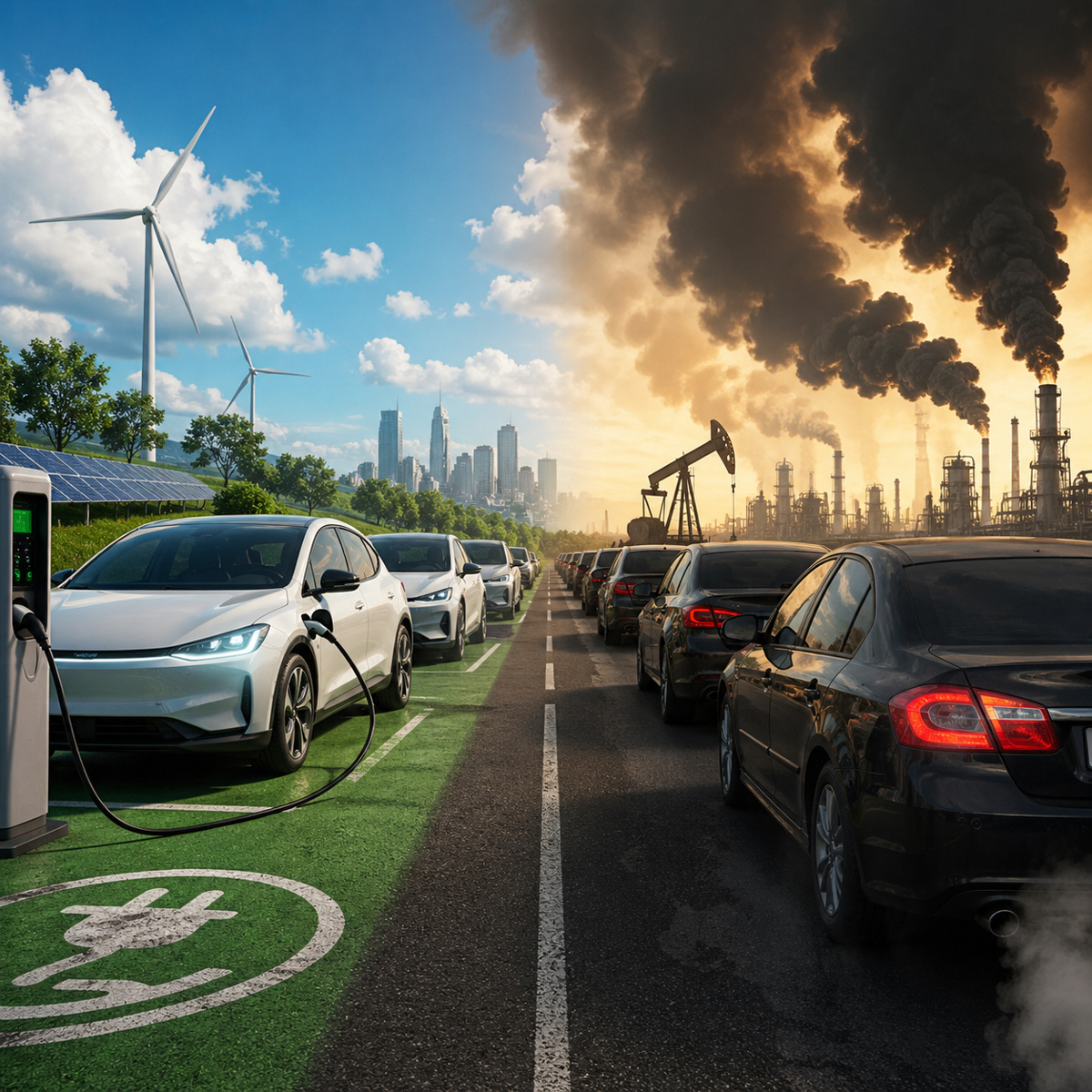
The mobility debate took a new turn on April 14 after a study by Agora Verkehrswende indicated that driving an electric car can be up to nine times cheaper than using gasoline in Latin American and Caribbean countries. On average, the cost per kilometer with electricity is only a third of the expense with fossil fuels.
This data tends to change the perception of mobility economics. It is no longer just an environmental choice but a strategic financial decision. The cost difference is significant enough to impact both individual consumers and companies that rely on transportation.
The numbers also show that this advantage can be even greater in certain countries. In Argentina, the ratio reaches 7:1, in Mexico, 5:1, and in Trinidad and Tobago, an impressive 11:1. It is worth noting that the data was collected before recent geopolitical instabilities, indicating that the current advantage of electric cars may be even greater.
-
Eco Invest Auction Aims to Unlock $10 Billion in Investments, Focusing on Green Fertilizers, Critical Minerals, Batteries, and AI for Clean Industry in Brazil

-
Toyota to Open New Factory in Brazil by November 2026 with $2.2 Billion Investment, Creating 2,000 Jobs, and Ending Corolla Production in Indaiatuba

-
Brazilian Factory Restores Truck Engines and Parts, Reducing Raw Material Use by Up to 85% After 80 Years in Business
-
Half of Brazilians Prefer Lower Taxes with Private Health and Education, While 44% Opt for Higher Taxes for State-Provided Services, Datafolha Survey Reveals



Energy efficiency of electric cars expands the economy and accelerates the energy transition
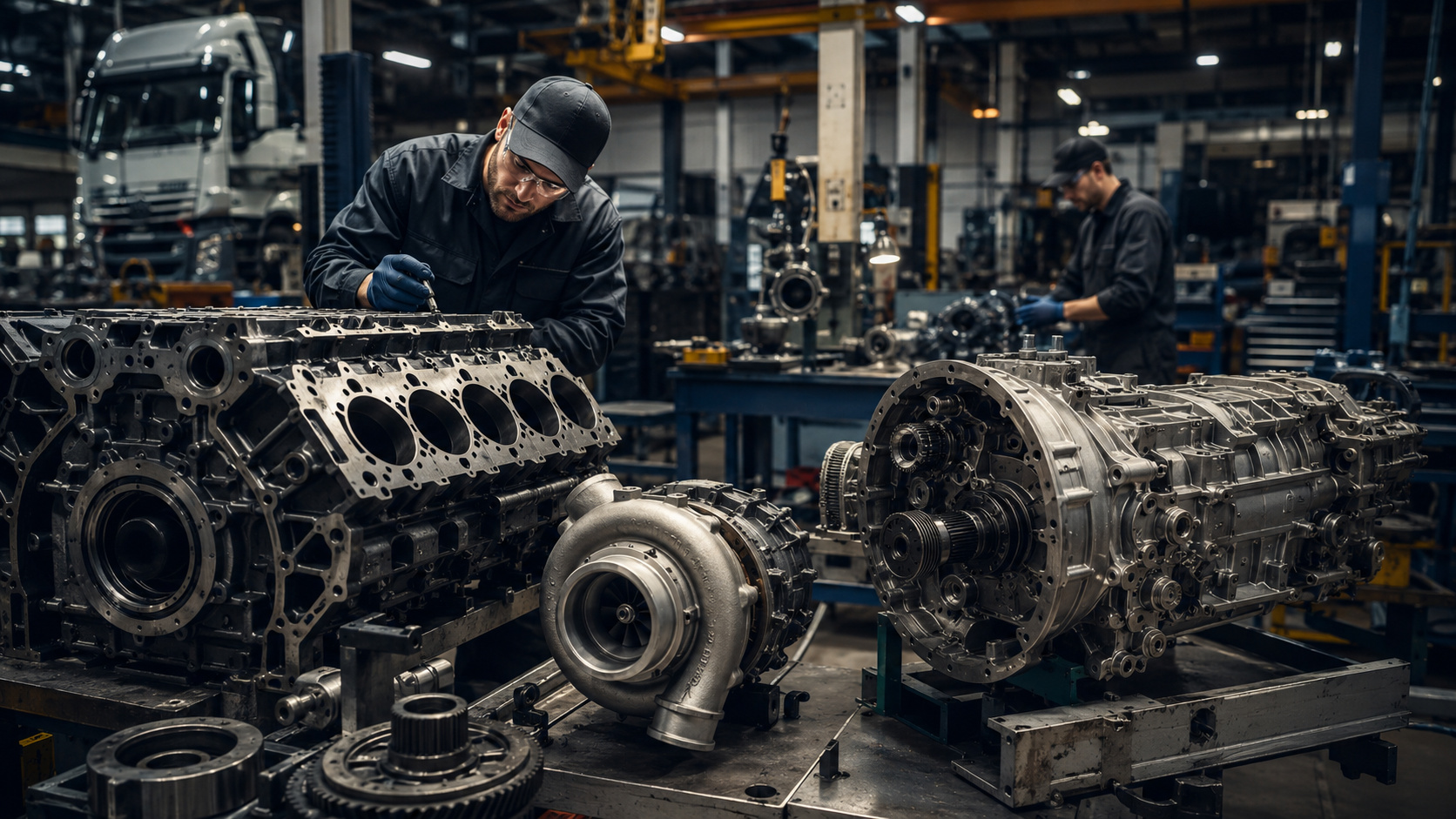
One of the most relevant factors for this cost difference is the efficiency of the vehicles. Electric cars can transform energy into motion much more efficiently than gasoline-powered vehicles.
While combustion engines waste a large part of the energy generated, electric systems are almost four times more efficient. This means that energy consumption per kilometer is lower, significantly reducing the final cost for the user.
Moreover, electricity in Latin America and the Caribbean tends to have more stable prices. Unlike gasoline, which is directly influenced by the international oil market, electricity presents less volatility, contributing to a more predictable economy.
Among the main factors explaining this advantage are:
- Higher energy efficiency of electric cars
- Lower average cost of electricity in the region
- Reduction of energy conversion losses
- Less dependence on external markets
This set of elements strengthens the energy transition and positions electric mobility as a viable and competitive solution.


Gasoline dependence pressures the Latin American economy and exposes vulnerabilities
Another critical point raised by Agora Verkehrswende is Latin America and the Caribbean’s dependence on fossil fuel imports. On average, countries in the region allocate about 3% of GDP to import gasoline and diesel used in transportation.
In some cases, this impact is even higher. Honduras, Paraguay, and Trinidad and Tobago, for example, spend more than 5.5% of GDP on fuel imports. Bolivia reaches 5.3%, while El Salvador records about 4.9%.
According to the study, this reality creates a scenario of economic vulnerability. When oil prices rise in the international market, the effects are directly felt by the population, increasing transportation costs and putting pressure on inflation.
Specialist Linda Cáceres Leal, associated with Agora Verkehrswende’s activities in the region, highlights that reducing this dependence can bring significant economic benefits, especially by decreasing exposure to external shocks.
Gasoline subsidies hinder the economy and delay the energy transition
In addition to external dependence, many countries still use subsidies to contain gasoline prices. Although this measure aims to protect the population, it generates significant impacts on public accounts.
In countries like Bolivia and Ecuador, subsidies represent about 3% of GDP. In Venezuela, this number can reach up to 6%. This is a significant volume of resources that could be directed to strategic areas.
Among the main impacts of subsidies are:
- Reduction in infrastructure investments
- Less incentive for electric car adoption
- Pressure on the public budget
- Maintenance of fossil fuel dependence
By artificially keeping gasoline prices low, these subsidies end up delaying the energy transition and hindering the modernization of the transport sector.
Renewable energy strengthens the electric car’s advantage in Latin America
Latin America and the Caribbean have a unique characteristic that favors electrification: a highly renewable energy matrix. Currently, about 62% of the region’s electricity is generated from renewable sources, more than double the global average.
This reality directly contributes to the economics of electric mobility. With clean and relatively cheap energy, the electric car becomes even more competitive compared to gasoline.
Furthermore, the expansion of sources such as solar and wind energy tends to further reduce costs over time. This creates a solid foundation for the advancement of the energy transition, especially in the transport sector.
Agora Verkehrswende’s own analysis indicates that harnessing this renewable potential will be fundamental to ensuring energy stability and affordable prices in the future.
Real challenges still limit the advancement of electric cars in the region
Despite the evident advantages, the adoption of electric cars in Latin America and the Caribbean still faces significant obstacles. The initial cost of vehicles, for example, remains a barrier for a large part of the population.
Furthermore, charging infrastructure is still limited in many countries, which creates insecurity for potential buyers. Another relevant point is the need for more consistent public policies.
Among the main challenges are:
- High initial acquisition cost
- Insufficient charging infrastructure
- Lack of tax incentives in some countries
- Need for integrated urban planning
Overcoming these challenges will be essential to consolidate the energy transition and expand the economic benefits of electric mobility.
What changes for your wallet and the future of mobility in Latin America
The advancement of electric cars represents a profound transformation in how mobility is conceived in Latin America. More than a trend, it is a structural change driven by economic, technological, and environmental factors.
The savings generated by using electricity instead of gasoline can be significant over time. For individual drivers, this means more money available in the budget. For businesses, it represents reduced operational costs and increased competitiveness.
Furthermore, the energy transition brings benefits that go beyond direct savings, such as reduced pollution, lower greenhouse gas emissions, and improved quality of life in cities.
Based on Agora Verkehrswende’s analyses, it is clear that Latin America and the Caribbean have a strategic opportunity at hand. By investing in electric mobility, the region can reduce its dependence on fossil fuels, strengthen its economy, and accelerate its integration into a more sustainable energy model.
The scenario is already transforming. The question now is no longer whether the electric car will be dominant, but when this change will occur broadly and definitively.