






 Portuguese
  Spanish


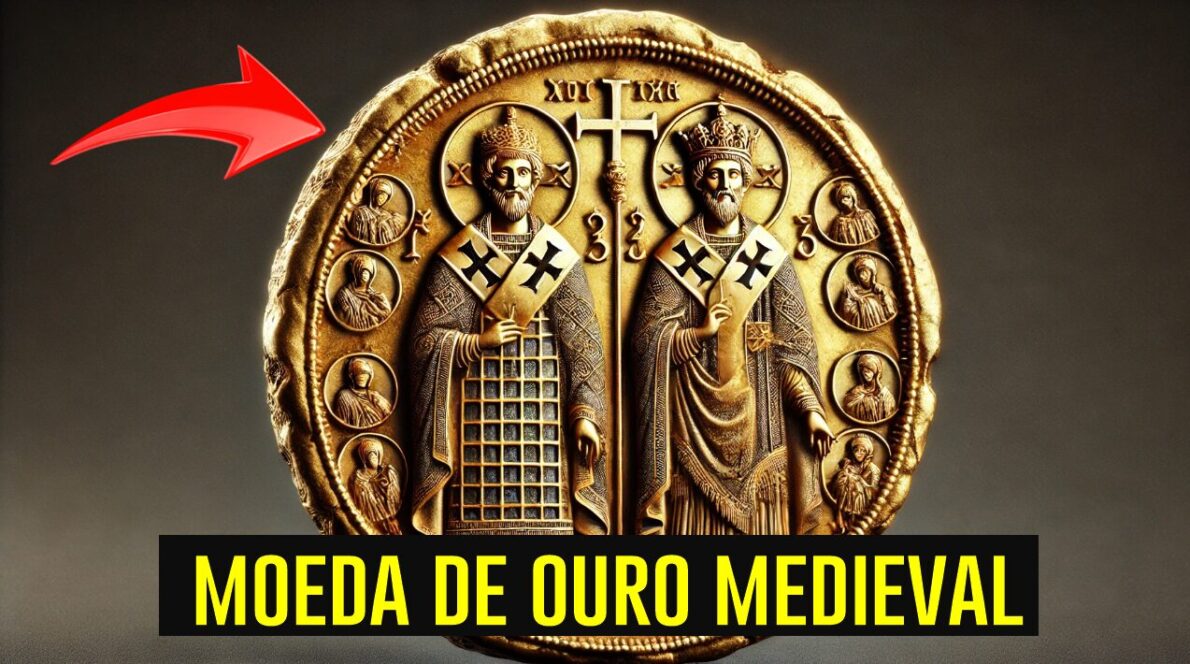

A Medieval Gold Coin Was Found in a Fortress in Bulgaria and May Represent a Byzantine Emperor. See the Details of This Discovery and What It Reveals About the History of the Region!
A recent archaeological discovery in Bulgaria revealed an ancient gold coin, potentially linked to a Emperor of the Byzantine Empire. The coin, found in the village of Cherven, located near the Danube River and the northern border with Romania, sheds light on the early period of Ottoman Turkish occupation in the region and the wealth of the people who lived there.
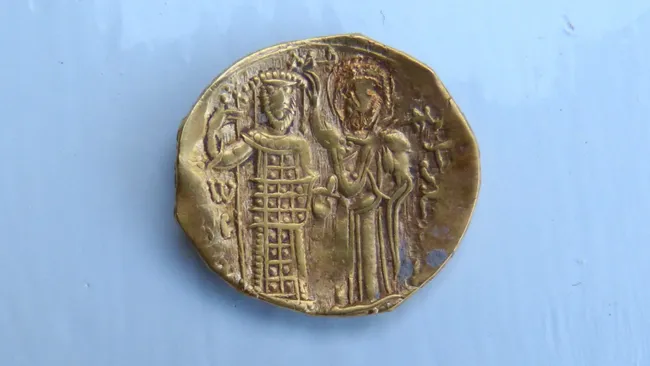
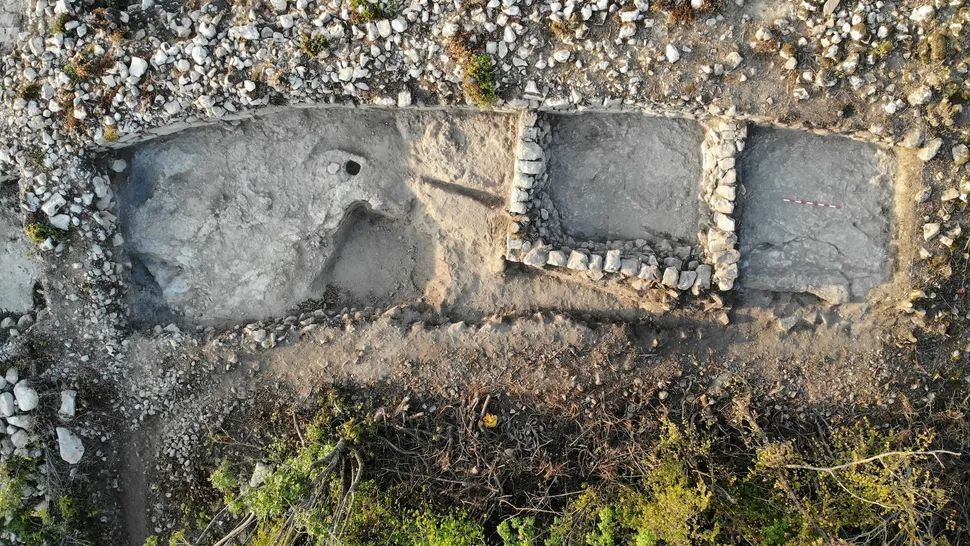
The team from the Rousse Regional History Museum made the discovery while excavating medieval ruins of a fortress. According to archaeologists, this coin would be from the Byzantine Empire and may be associated with John III Doukas Vatatzes, emperor of Nicaea from 1222 to 1254.
The empire of Nicaea was one of the regions that emerged after the Fourth Crusade and the sack of Constantinople in 1204, constituting a successor state of the Byzantine Empire. On the other hand, studies indicate that the Latin Empire — founded by crusaders who occupied Constantinople — might have minted coins in Byzantine style after the conquest, a fact that complicates the precise identification of the origin context of the coin.
-
Digital Transformation Essential in Energy, Oil, and Gas Industries, But IT Infrastructure Often Overlooked

-
Brazilian Students Repurpose Clay Tea Cups to Create Cooler That Lowers Room Temperature by Up to 10°C Without Air Conditioning or Fans
-
353-Year-Old Mystery Deepens as Archaeologist Arrested with Teeth and Bone Fragment Possibly Linked to d’Artagnan, the Real Musketeer Behind Alexandre Dumas’ Inspiration

-
16-Year-Old Invents CoolTowel, a Fitness Towel That Stays Cold for Up to 2 Hours, Wins Global Alibaba Competition with Over 15,000 Participants, Earning $1 Million



Archaeologist Svetlana Velikova, who leads the excavations in Cherven, noted that the weight of the coin is significantly lighter than expected, suggesting that it was adjusted to align with the minting standards of the 14th century. This detail, combined with the location where it was found, points to a dating possibly related to the early years after the Ottoman conquest of the city in 1388.
Archaeological Significance of the Gold Coin
The ruins of the village of Cherven, a strategic point in the Second Bulgarian Empire (1185-1396), have been explored for over a century, revealing the historical and economic importance of the region. The fortifications indicate that Cherven was a significant center of power and trade during the medieval era.
The discovery of more coins, arrows, jewelry, and ceramics suggests that the city had, in addition to defensive structures, a society with different socioeconomic classes, where some people enjoyed considerable wealth.
Velikova explains that until recently, archaeologists believed that the western part of the city was inhabited by poor individuals. However, the new coin and other artifacts found along an ancient defensive wall of the fortress indicate otherwise, suggesting that at least some of the local residents were wealthy and had access to gold coins.
The Influence of the Ottoman Empire and the Legacy of the Bulgarian Empire
The Second Bulgarian Empire, which rivaled the Byzantine Empire in the Balkans, ultimately succumbed to the growing power of the Ottoman Empire, which had already conquered extensive Byzantine territories. In 1453, with the fall of Constantinople, the Ottoman Empire solidified its dominance over the region and transformed the city into its new capital. Bulgaria remained under Ottoman control for about 500 years after its definitive conquest in 1396.
Impact of the Discovery and New Pathways for Medieval History
The discovery of the coin is not only a window into the past but also a reminder of how trade and the circulation of coins were interlinked between different empires and cultures, even in times of war. By uncovering coins and various artifacts, archaeologists not only chart the economic history of the region but also bring forth stories of resistance and adaptation amidst conquests.
These findings fuel the discussion about the Second Bulgarian Empire and the context of its eventual fall to the Ottoman Empire, which transformed the political and social landscape of the region for centuries.


