






 Portuguese
  Spanish


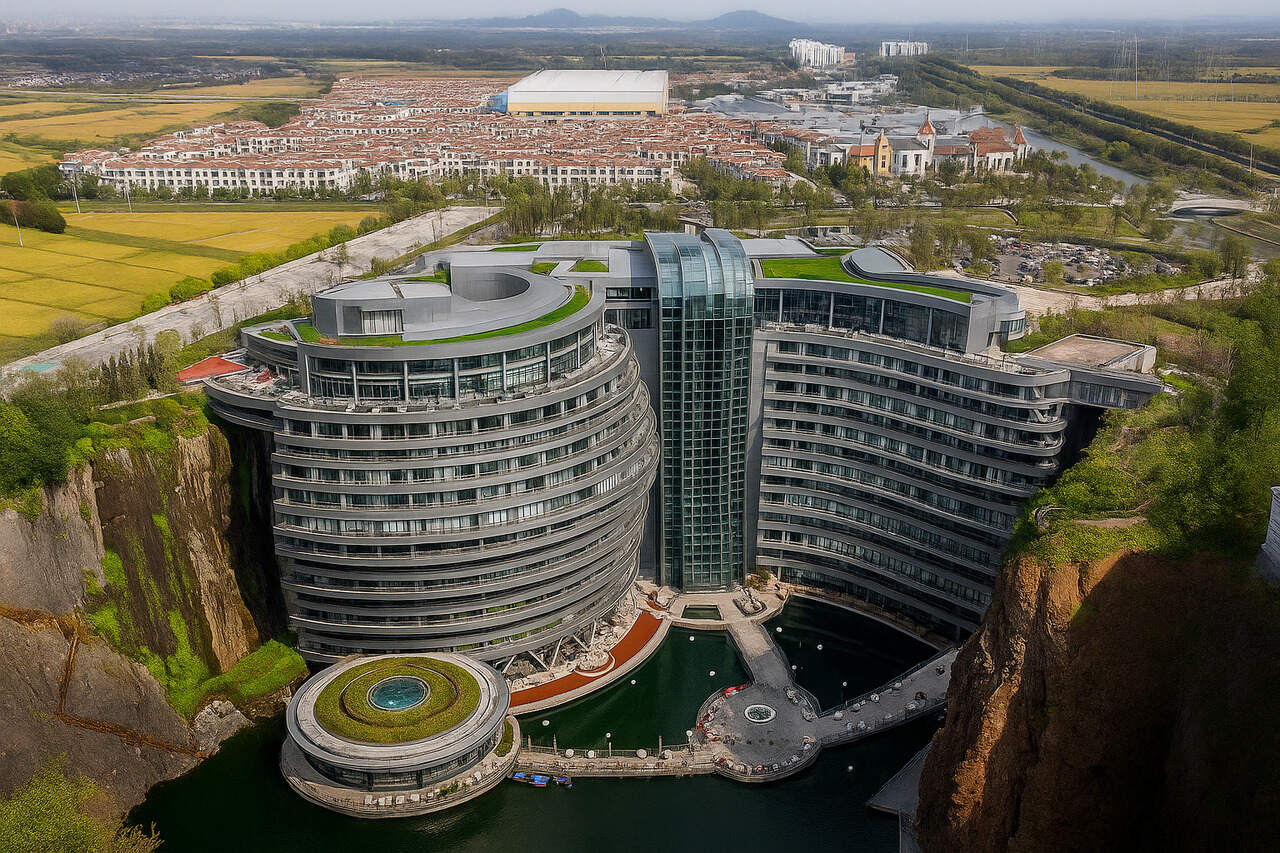


Luxury Underground Hotel Occupies Former Quarry in the Outskirts of Shanghai and Invests in Clean Energy, Radical Architecture and Underwater Views
In China, an underground hotel surprises with its ambitious project and sustainable proposal. Built on the outskirts of Shanghai, the InterContinental Shanghai Wonderland occupies the site of a former quarry.
Instead of rising to the sky like traditional skyscrapers, the building dives up to 90 meters below the earth.
A Construction That Took 12 Years and Billions in Investment
The project was inaugurated in 2018. It took 12 years of development and an investment of US$ 555 million, equivalent to about R$ 3 billion. The result is an 18-story hotel, with 16 underground floors and two fully submerged.
-
Brazilian Entrepreneur Turns Door-to-Door Jewelry Sales into a Family Business Empire with Over 70 Stores

-
$75 Million Bridge in Brazil Opens to Connect Cities, Create Jobs, and Cut Travel Time from 30 to 2 Minutes; Spanning 1.24 km, It’s Among the Country’s Largest and Ends Decades of Ferry Queues.

-
Brazilian Farmer Builds 8-Ton Tractor from Army Truck Engine, Plants Over 100 Hectares of Soybeans
-
11-Year-Old Entrepreneur Turns Fear of Bees into Honey Lemonade, Wins $60,000 on Shark Tank, Secures Whole Foods Deal, and Expands Brand Across U.S. Stores




The project was led by JADE + QA, in collaboration with the British firm Atkins — the same responsible for the Burj Al Arab in Dubai. The construction draws attention for its high level of technical complexity and strong environmental commitment.
The previously abandoned land was repurposed without affecting new ecosystems. To make the construction viable in the rocky walls of the quarry, engineers created advanced drainage and structural reinforcement systems. These solutions ensure stability for the building and protection against flooding.
Rooms with Waterfalls and Underwater Suites
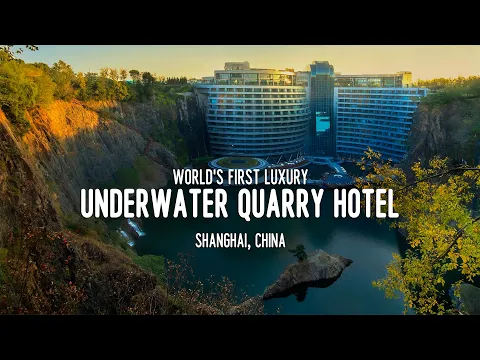

The hotel features 337 rooms and suites. All offer privileged views. One of the models is the Superior King Bed with Garnet Balcony, facing artificial waterfalls that flow down the walls of the site. The nightly rate for this type of room starts at US$ 254, or almost R$ 1,4 thousand.
There are also even more exclusive accommodations. The underwater duplex suites feature large floor-to-ceiling windows.
Through them, it is possible to observe the marine life inhabiting the lake. In this case, the nightly rate can reach US$ 2,675, approximately R$ 14.6 thousand. These rooms include butler service available 24 hours.
Clean Energy and Repurposed Space
In addition to luxury in accommodations, the InterContinental Shanghai Wonderland invests in sustainable solutions.
The hotel uses solar and geothermal energy to operate, reducing environmental impact. Moreover, the area where it was built was already degraded. As a result, there was no need to encroach on preserved natural areas.
The structure also houses an underwater restaurant, a high-end spa, and a convention center with a capacity for up to a thousand people.
Among the highlights of the complex is a glass walkway. Here, visitors walk over the quarry with a unique view of the site.
Radical Adventures in a Luxury Hotel
But the hotel is not limited to comfort. For those seeking different experiences, there are activities such as rock climbing, bungee jumping, and even kayaking on the lake. These options allow guests to explore the natural environment directly.
The InterContinental Shanghai Wonderland stands out not only for its technical innovation but for its concept. By repurposing an abandoned space and integrating technology with nature, the project has become a subject of study as a model for urban regeneration.
More than just a luxury hotel, the construction showcases alternative pathways for the future of architecture and sustainable urban development.
With information from O Globo.


A matéria é boa, mas para variar, tem um defeito grave, a meu ver. Uma matéria sobre um local interessante deve, impreterivelmente, ter imagens do local para ilustrar a matéria. Esse tipo de texto só nos leva a procurar em outro local uma matéria mais completa, futuramente. Fica a dica.
Olá amigo, tudo bem? Sua observação está corretíssima. As vezes, a disponibilidade de imagens livres para uso é um pouco mais difícil em alguns casos, mas vou encontrar algumas e implementar no artigo. Muito obrigado pela dica.