






 Portuguese
  Spanish
  3 min of reading
  0 comments


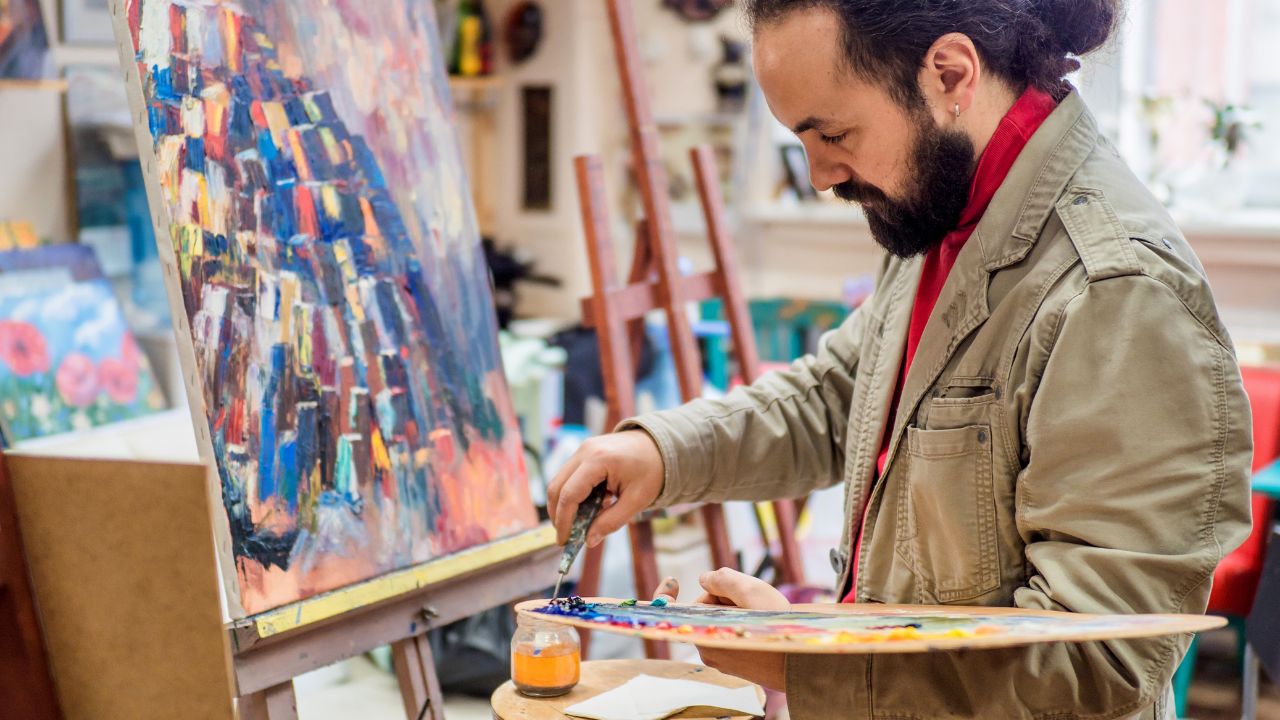
The Government of Ireland Establishes a Monthly Allowance of R$ 8 Thousand for Artists, Consolidating an Innovative Cultural Policy with Positive Economic Impact.
A new chapter in the cultural history of Ireland is beginning to be written. The government announced that the Basic Income for the Artists (BIA), program of monthly income of approximately R$ 8 thousand, will become a permanent public policy starting in 2026.
The initiative will benefit 2 thousand artists from different fields, aiming to provide financial stability and foster artistic creation in the country.
The project was considered a success in its experimental phase, carried out in recent years, and will now become a reference model for other nations seeking to value cultural production in a structured way.
-
The War of Jenkins’ Ear: How a Severed Ear Sparked One of the 18th Century’s Most Unusual Conflicts

-
The True Story of Beavers Parachuted into Idaho: A Post-WWII Mission Using Planes and Special Crates to Relocate 76 Animals to a Remote U.S. Region
-
Trailblazing Brazilian Mother of Three Becomes First Woman to Drive BYD Electric Truck, Inspiring Her Daughter to Follow Suit

-
6-Year-Old Boy Finds 1,000-Year-Old Viking Sword During School Activity in Norway


Monthly Allowance for Local Artists: Origin and Purpose of the Initiative
The idea of offering a basic income to artists originated within the Ministry of Culture of Ireland, under the leadership of former minister Catherine Martin.
She created a specialized working group to evaluate ways to strengthen the national creative economy and recognize the role of art as a driver of social and economic development.
During the first phase, 2 thousand professionals were granted a weekly income of 325 euros (approximately R$ 2.5 thousand).
The project received over 9 thousand applications, of which 8.2 thousand were deemed eligible and 2 thousand were selected randomly.
“Worrying about putting food on the table really affects the creativity of artists. This is about giving them space to work,” explained Catherine Martin in an interview with the New York Times.
Structure of the New Permanent Program
Unlike the previous version, the permanent model will provide US$ 1,500 monthly — equivalent to R$ 8.1 thousand — to 2 thousand artists nationwide.
According to information from the ARTnews website, applications will open in September 2026, with selection criteria yet to be defined by the Irish government.
One highlight is the possibility of increasing the number of beneficiaries if additional resources are available.
This flexibility places Ireland at the forefront of global public policies focused on cultural and artistic valuation based on state funding.
Economic and Cultural Results
A report from the consulting firm Alma Economics revealed that the experimental BIA project cost 72 million euros, but returned almost 80 million euros in economic benefits to the country.
The study indicates that participants had an average income increase of over 500 euros per month, in addition to producing 22% more works during the analyzed period.
The research also identified a significant reduction in dependence on social welfare and a drop in the average cost of art between 9% and 25%, making access to culture more democratic and accessible to the population.
Repercussions and Social Impact of the Allowance for Artists
The current Minister of Culture, Patrick O’Donovan, emphasized that the BIA is not just a financial measure, but an investment in the creative essence of the nation.
“The arts offer something intangible to society. It is difficult to measure, but it is extremely valuable,” he stated in an interview with CBC Radio.
For the minister, the success of the initiative proves that culture can be a strategic pillar for development, capable of generating jobs, stimulating the economy, and reinforcing national identity.
The Irish experience shows that investing in artists is also investing in the future.
The guaranteed monthly allowance allows creators to fully dedicate themselves to their works without the burden of financial instability.
This stability stimulates innovation, cultural diversity, and the strengthening of the creative economy.
With the officialization of the Basic Income for the Artists, Ireland assumes a pioneering role in valuing artistic work and becomes an example for countries seeking to unite culture, dignity, and sustainable growth.
Source: Revista Galileu





Be the first to react!