Portuguese
  Spanish





Buying a premium SUV is a dream for many Brazilians, but depreciation can turn that dream into a headache. When we talk about cars over R$ 250 thousand, every detail counts: not just the design, technology, and comfort, but also how much it loses value over the years. The big question is: which premium SUV depreciates less, the Audi Q3 or the Volvo XC40? This answer may surprise even those closely following the automotive market.
Which Premium SUV Depreciates Less: Audi Q3 or Volvo XC40?
To understand this clash, it’s necessary to look beyond the technical specifications. Both are entry-level SUVs from their respective brands, designed to attract new customers to the premium universe. The Audi Q3, with its more conservative design and focus on German technology, is seen as a rational choice with understated prestige. The Volvo XC40, on the other hand, with its bold style and strong safety appeal, has won over the young audience that desires exclusivity without giving up practicality.
When we analyze the average depreciation over three years, the numbers are clear: the Audi Q3 typically loses about 22% of its value in that time, while the Volvo XC40 stands around 28%. This difference, while it may seem small, can represent more than R$ 40 thousand in a single ownership cycle, depending on the version and options chosen.
-
New Law Proposal in Brazil Could Heavily Penalize Drivers: Dangerous Overtaking May Become a Serious Offense with Fines Increased Tenfold and a 12-Month License Suspension; Update on 2026 Progress

-
Electric Revolution: Watts W125 Motorcycle Offers 160 km Range, 90 km/h Speed, and Affordable Price Starting at $3,000

-
General Motors Replaces Over a Thousand Workers with 50 Cobots at Electric Vehicle Plant, UAW Union Criticizes Move Amid Industry’s Automation Push
-
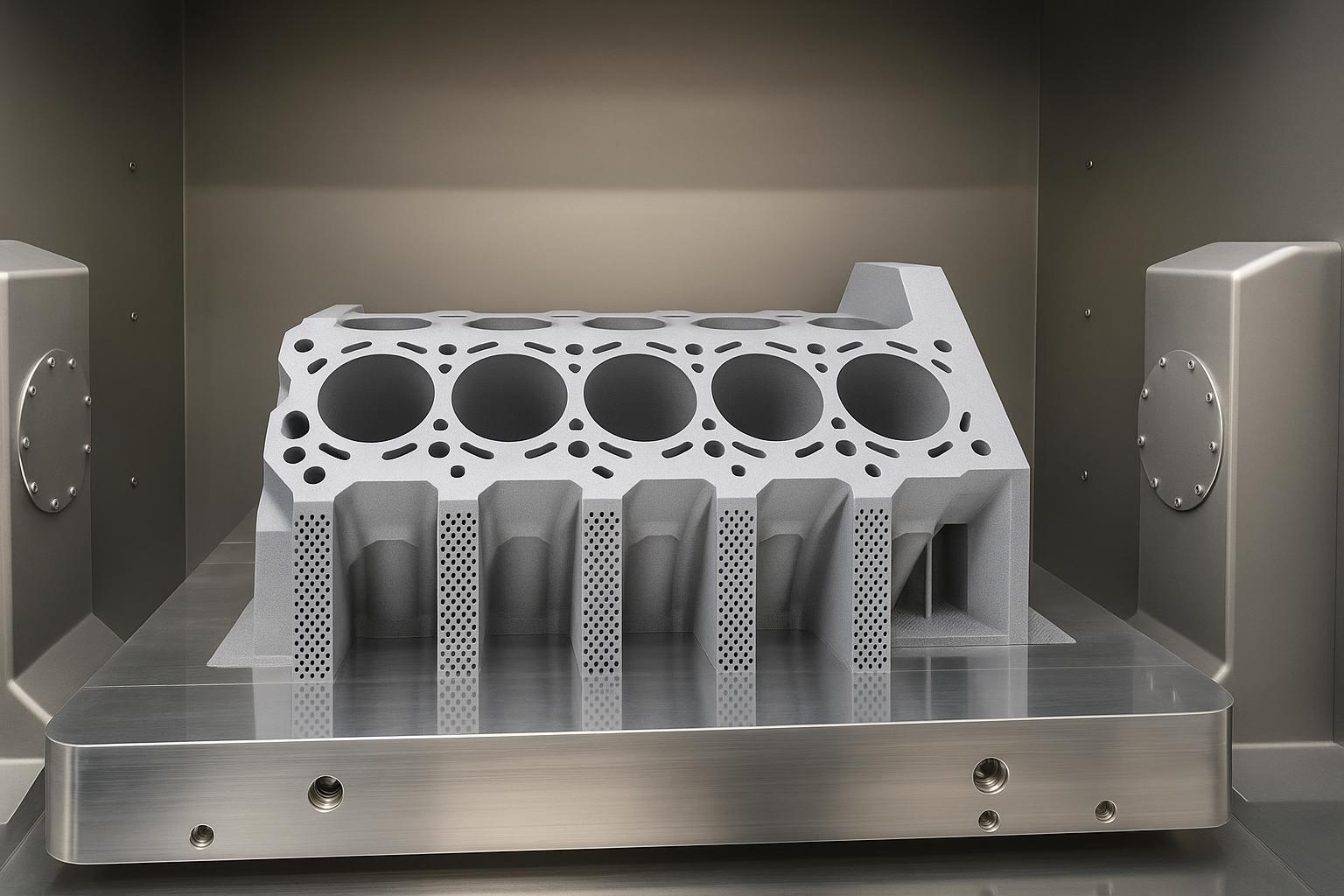
Bosch and Nikon 3D Print Entire Aluminum V8 Engine Block, Sparking New Competition in the Automotive Industry



Factors That Impact Value Loss
The depreciation of a premium SUV depends on variables that go beyond mere consumer taste. Brands with higher liquidity in the used car market, like Audi and BMW, tend to be less impacted than manufacturers that are still consolidating their presence, like Volvo. Another important point is the dealership network: Audi has more service points in Brazil, which facilitates resale and maintenance.
Additionally, engines and transmissions known to the public generate greater trust. The Q3 uses the well-regarded 2.0 TFSI and an 8-speed automatic transmission, already present in other models from the brand. In the case of the XC40, some hybrid and electric versions still raise doubts among the used car audience, despite advancements in electrification.
Depreciation and Buyer Profile
The consumer’s behavior also weighs in. The buyer of an Audi Q3 generally seeks status associated with the German brand and values future resale. In contrast, the owner of the XC40 tends to be an early adopter, someone willing to try new technologies and accept a larger loss at the time of trade-in. This explains why, in the used market, the Q3 has higher demand and, consequently, lower price drops.
Official Data from the Brazilian Market
According to the Tabela Fipe (Foundation for Economic Research), which is the national reference for vehicle prices, the 2021 Audi Q3 cost an average of R$ 245 thousand new and today is around R$ 191 thousand — a loss of approximately 22%. On the other hand, the 2021 Volvo XC40, which sold for R$ 259 thousand, can now be found for R$ 187 thousand, resulting in a depreciation of nearly 28%.
Another survey conducted by Kelley Blue Book Brazil, a platform specialized in vehicle pricing, confirms this trend: the Q3 shows more stable resale indexes, while the XC40 experiences more fluctuations, especially in hybrid versions. Internationally, a study by J.D. Power consultancy also points out that compact SUVs from German brands have better value retention in mature markets, such as the United States and Europe.
Maintenance and Cost of Ownership
Another factor that influences depreciation is maintenance costs. Audi offers scheduled maintenance packages, providing predictability for the owner and increasing confidence at resale time. Volvo, on the other hand, still has somewhat higher costs for replacement parts and less availability of components in independent shops, which may deter potential used car buyers.
Technologies and Market Perceptions
The XC40 stands out in onboard technology, especially in active safety and driving assistance systems. However, paradoxically, this can increase depreciation. Used car consumers often fear complex electronic systems outside of warranty. Conversely, the Audi Q3 relies on a more traditional recipe: cutting-edge technology, but already tested in larger models, which conveys more confidence.
Which Is More Worthwhile in the Long Run?
In the end, the Audi Q3 is the premium SUV that depreciates less over three years in Brazil. For those looking for a vehicle that combines prestige, solid resale, and lower financial loss, the German model has the advantage. On the other hand, the Volvo XC40 may be more interesting for those who value innovation, bold design, and are not as concerned with financial return at the time of trade-in.
The choice between Audi Q3 and Volvo XC40 goes beyond the thrill of driving or technical specs. It is a decision that can significantly impact finances in just a few years. If the priority is to minimize depreciation, the Q3 proves to be more secure. But if the goal is to be at the forefront, the XC40 can deliver a differentiated experience — even if it costs more in the future.