






 Portuguese
  Spanish
  3 min of reading
  0 comments


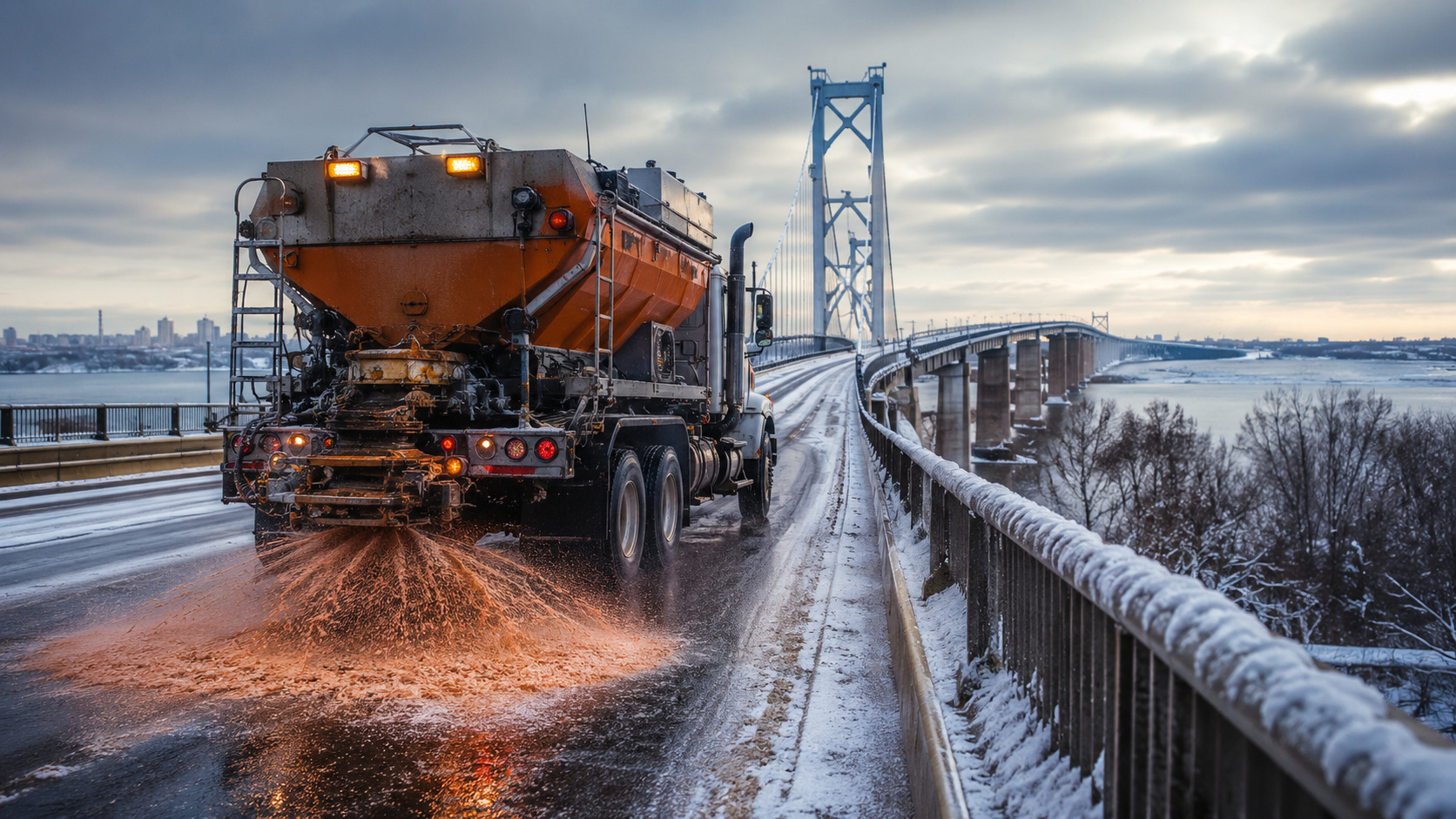
Cold cities in the United States are using beet juice, molasses, and agricultural by-products mixed with salt to melt ice more efficiently, protect bridges and overpasses from corrosion, and reduce environmental impact on rivers and lakes, ensuring safer roads and sustainable solutions for winter transportation.
In various cold cities in the United States, new salt formulas with biological additives are being used to facilitate ice removal from highways. The combination of beet juice, molasses, and glycerol helps the salt adhere better to the asphalt, melt ice faster, and reduce the use of chlorides that harm bridges and rivers.
The initiative directly impacts urban maintenance and traffic safety, offering environmental benefits and economic advantages, as the corrosion of structures and pollution of water bodies are minimized.
Why common salt harms bridges and rivers
Traditional road salt contains chlorides that damage metals, concrete, and asphalt and also affect aquatic life. Continuous use of chlorides in watercourses can lead to contamination of aquifers and increased salinity in rivers and lakes, causing environmental imbalances.
-
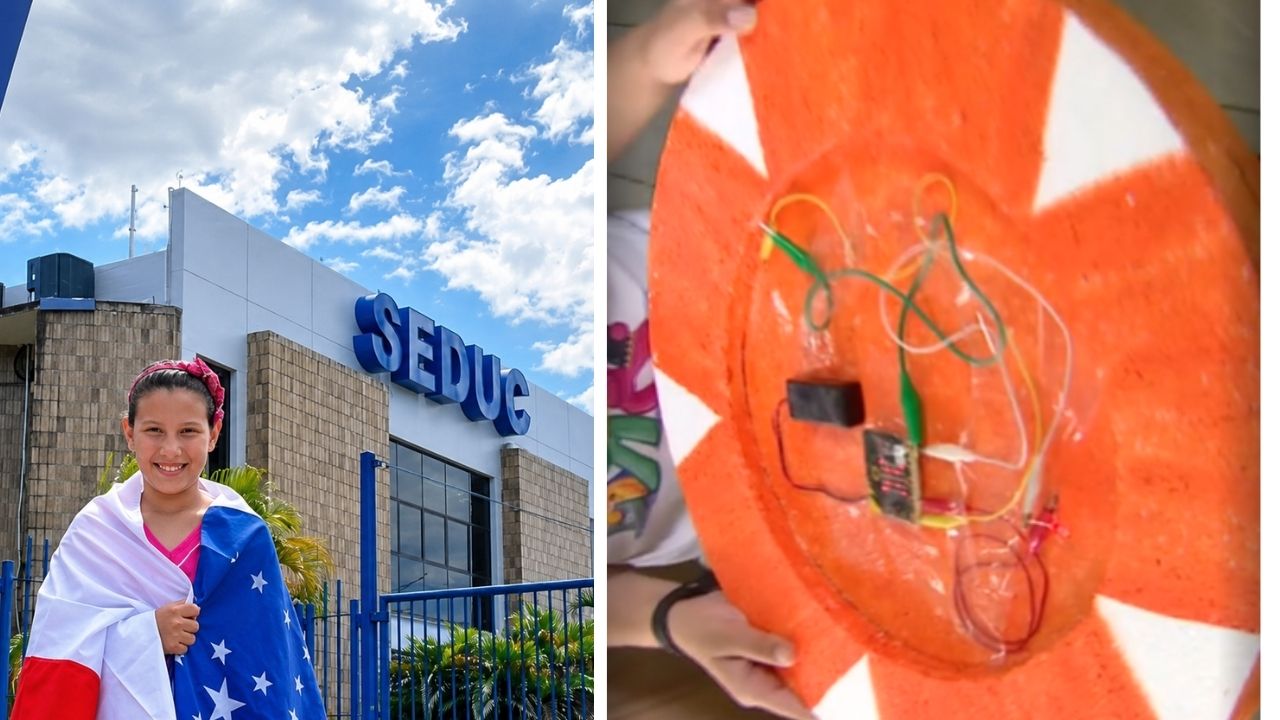
A 10-year-old girl in Manaus created a styrofoam buoy with a sensor to detect trash in streams, became the sole representative from Latin America in an international challenge in London, and turned the pollution she saw near her home into a sustainable invention.

-
It was neither a crash nor abandonment; this retired plane left the airport in parts, crossed Costa Rica on trucks, and ended up becoming a suite in the heights with daily rates exceeding R$ 2,000.

-
She panicked when she saw her daughter fall from the crib; years later, she turned the experience into a factory generating R$ 9 million per year.

-
At 75 years old, João José de Carvalho, known as Mr. Janjão, was accepted for the second time by Sisu after overcoming distance, physical limitations, and years away from school, to fulfill his dream of studying Biological Sciences at UFPI.



The United States Department of Transportation, a federal government agency responsible for managing highways and road safety, detailed the negative impacts of chloride on infrastructure and the environment, highlighting the need for more sustainable alternatives.
How beet and molasses are included in the mix
Byproducts of sugar beet refining and molasses can be incorporated into salt to form ice melting solutions with a renewable biological base. These additives increase the adhesion of salt to asphalt, allowing it to work even at very low temperatures and reducing the amount of chloride needed.
Additionally, glycerol, a byproduct of biodiesel production, is included to reduce early freezing of salt and accelerate melting, making roads safer for vehicles and pedestrians.
What reducing chloride means
Reducing the amount of chlorides applied on highways decreases the corrosion of bridges and viaducts and preserves the ecological balance of nearby rivers and lakes. At the same time, it maintains efficiency in ice removal and road safety.
The use of biological additives also helps to save public resources, as the need for replacement of damaged infrastructure is lower.

Why each city needs to test its own formula
Each municipality faces different weather conditions and types of asphalt, making it essential to customize the formulas. The University of Alaska Fairbanks, a research center in sustainable transportation in cold climates, conducts tests with agricultural byproducts and other local additives to create solutions adapted to the reality of each region.
Washington State University, an institution of education and research in civil and environmental engineering, provided numbers and analyses on the performance of these additives on roads in the American Northwest, showing that results vary according to soil composition, temperature, and humidity.
Practical impacts for drivers and cities
The use of biological additives in salt allows for safer roads, fewer accidents, and less environmental damage. It also contributes to more efficient maintenance management, reducing costs and improving the durability of bridges and viaducts.

By adapting the mixture to local conditions, each city can maximize the effect of melted ice and reduce the use of harmful chemicals, benefiting drivers and the environment.
Clean and safe roads, protected bridges, and less pollution of rivers and lakes show that innovation can transform the way we deal with winter, making road maintenance more sustainable and efficient.
Have you ever imagined how cleaner and more sustainable roads can change the safety of your journey in winter?







Be the first to react!