






 Portuguese
  Spanish
  3 min of reading
  0 comments


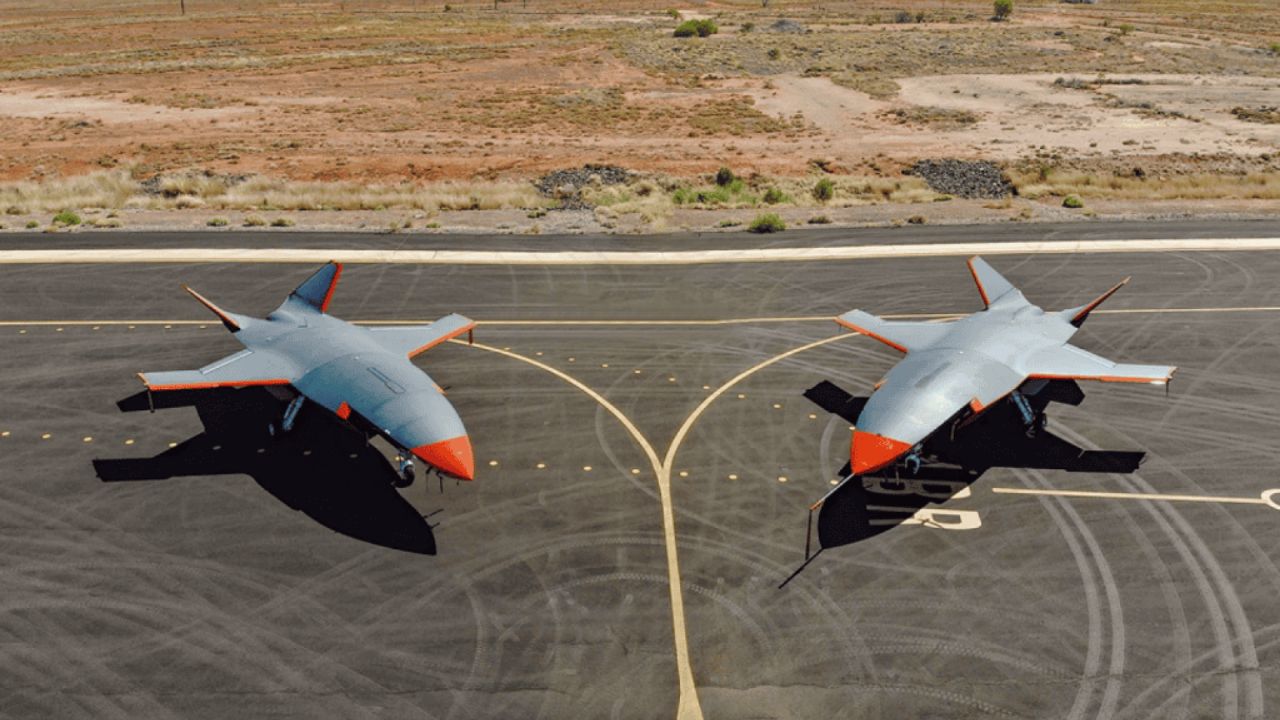
MQ-28 Ghost Bat, New Military Drone from Boeing in Partnership with Australia, Promises to Change Air Defense with Autonomy, Range of 3,700 km, and Unprecedented Integration with Fighters.
Australia has once again made its mark on the military aviation scene by unveiling the MQ-28 Ghost Bat, developed in partnership with Boeing. The military drone carried out demonstration flights in September, showcasing some of its capabilities to a group of journalists.
The project is symbolic: it is the first compact combat aircraft designed in the country since World War II and is already considered a strategic asset for the Royal Australian Air Force (RAAF).
MQ-28 Ghost Bat: Six Years of Development to the Skies
The Ghost Bat was not born overnight. Boeing and the RAAF began working on the model six years ago, and the program’s conclusion is set for April 2025.
-
The military spaceplane that almost took the Cold War into orbit: Boeing X-20 Dyna-Soar was designed to re-enter above Mach 20, fly for up to 40 hours, land like a plane, and transform Titan rockets into a gateway to a new era of orbital warfare.

-
FAB bets on national drones and increases investments to strengthen the Brazilian aerospace industry

-
Six times, a luminous crescent the size of the Moon startled the Soviet sky at dusk: it seemed like a wave of UFOs, but it was a secret orbital weapon created to attack the United States via the South Pole and evade Cold War radars.

-
The United States government approved a potential sale of 100 portable Stinger anti-aircraft missiles to the Brazilian Army, in a package estimated at around 330 million dollars that still depends on negotiations between the two countries.




Prior to that, the first prototype was delivered in 2020, followed by its inaugural flight in February 2021.
Since then, the initial fleet already includes eight units in Block 1 version.
New Military Drone: Testing and Integration with Manned Fighters
During the validation process, the military drone accumulated over 150 flight hours and impressive 20,000 hours of virtual simulations.
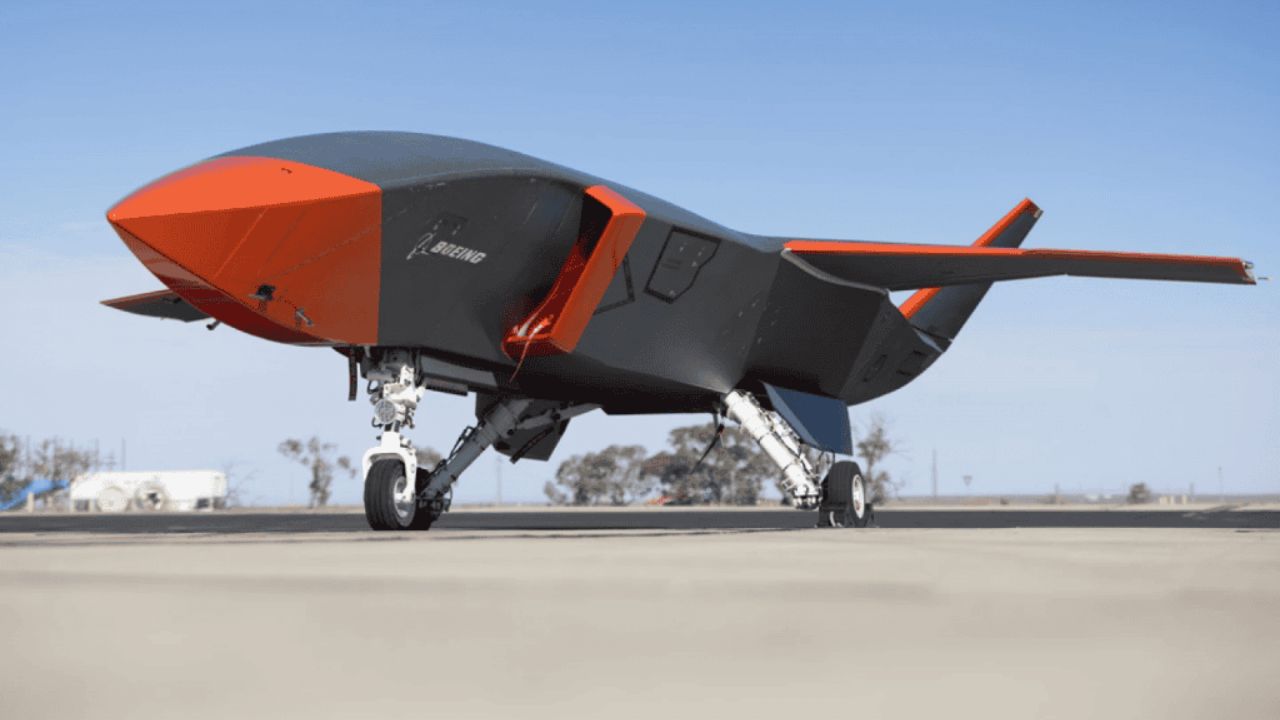
It was evaluated in different scenarios, from fully autonomous missions to joint operations with manned fighters.
The model also successfully connected to the E-7A Wedgetail air alert system, in addition to sharing real-time data with other aircraft — an essential feature for enhancing tactical awareness in combat.
Main Features of the Ghost Bat
- Dimensions: 11.7 m in length and 7.3 m in wingspan
- Propulsion: Williams FJ33 turbofan engine
- Range: over 3,700 km
- Modularity: ability to equip surveillance sensors or armaments
These elements provide the Ghost Bat with the flexibility for reconnaissance, close air support, and soon, direct combat missions.
The next step is the development of Block 2, scheduled for late 2025.
In this version, the military drone will begin operating with weapon systems, elevating its role in the Australian arsenal.
The goal is to strengthen the defense of the country’s northern coast and expand projection capabilities in international scenarios.
Interest Beyond Borders
Although created for Australia, the Ghost Bat is attracting global attention.
Boeing is already discussing the sale of the Ghost Bat with Poland and is also exploring an adapted version for naval use by the United States Navy.
If successful, this project could establish Boeing as one of the leaders in the global combat drone market.
More than a technological product, the Ghost Bat represents a historic shift for Australian defense.
The country, which had not produced its own combat aircraft for nearly 80 years, now presents to the world a military drone with the potential to change the dynamics of aerial operations.
With information from Olhar Digital






Be the first to react!