





 Portuguese
  English
  Spanish
  6 min of reading
  0 comments


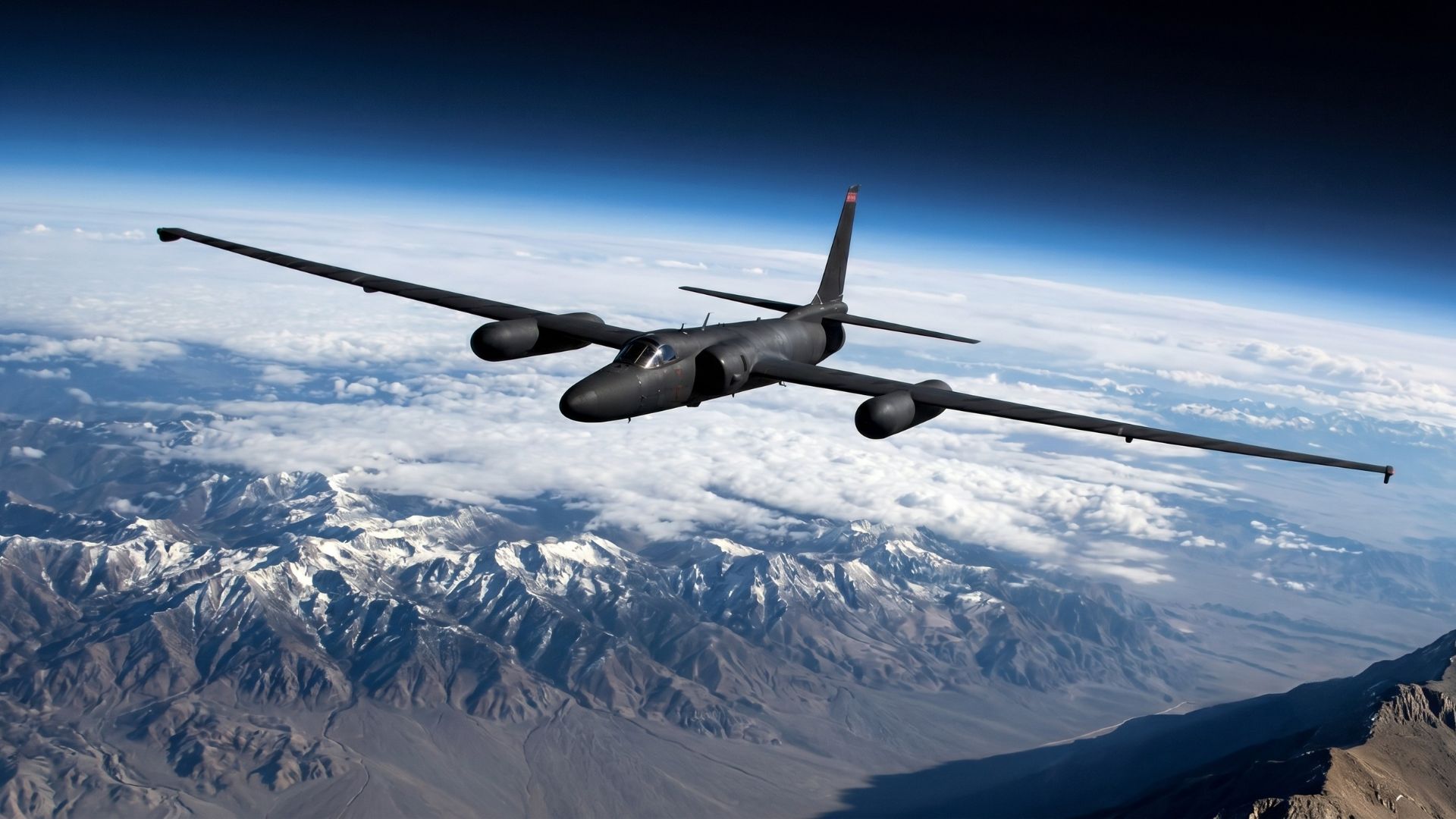
U-2 Dragon Lady flies above 21 km, requires a pressurized suit similar to astronauts, and continues operating almost 70 years after its first flight.
Few aircraft born in the Cold War remain relevant in the 21st century. Even rarer are those still flying real missions after nearly seven decades of operation. The Lockheed U-2 Dragon Lady belongs to this extremely exclusive group. Created in secret to fly higher than any threat of the time could reach, the plane remains one of the most unusual reconnaissance platforms ever put in the air.
According to the United States Air Force, the U-2 still performs intelligence, surveillance, and reconnaissance missions at altitudes above 70,000 feet, around 21.3 kilometers. In this layer of the atmosphere, the aircraft operates in such an extreme region that the pilot needs to wear a full pressurized suit, similar to those used by astronauts, to withstand any risk of decompression.
U-2 Dragon Lady flies above 21 kilometers and operates near the limit of conventional aviation
The most impressive feature of the U-2 Dragon Lady has always been its operational altitude. According to the US Air Force, the aircraft routinely flies above 70,000 feet, far above the usual levels of commercial aviation, which typically operates between 10 and 12 kilometers of altitude.
-
Chinese aircraft carriers on alert amid Japanese military advancement: exercises with 64 anti-ship missiles, F-35 fighters, and new Type-12 missiles highlight the race to protect giant fleets in the Western Pacific.

-
USS Gerald R. Ford, the most expensive aircraft carrier in the world, returned to the USA after almost 11 months at sea with 4,600 military personnel on board, but is entering maintenance to repair a fire, rebuild accommodations, and fix a bathroom system that caused a series of failures.
-
The Soviet IL-40 aircraft had six 23 mm cannons more powerful than any fighter of the time, but it was eventually canceled because when the pilots fired all the cannons at once, the engines would shut down in the air.
-
The drone that emerges from under a fighter jet and becomes a hunter in the sky: X-68A LongShot will be launched by an F-15, will fly ahead of the pilots, and aims to change aerial combat by transforming manned aircraft into mother platforms with much greater range.




This capability allowed the U-2 to observe vast areas without needing to approach sensitive targets directly. It was precisely this concept that turned the plane into a central piece of American aerial espionage since the 1950s and helped cement its reputation as one of the most peculiar aircraft ever built.
According to NASA, the search for a platform capable of operating in the so-called 70,000 feet region arose in the context of the strategic dispute with the Soviet Union. At that time, flying so high seemed to offer a sort of temporary invulnerability against the defense systems of the era.
U-2 pilots wear pressurized suits similar to astronauts
Flying so high imposes severe physiological risks. According to the United States Air Force, the U-2 pilot needs to wear a full pressure suit, or complete pressurized suit, similar to those used by astronauts. This equipment is indispensable because any loss of pressurization at that altitude would put survival at immediate risk.


The suit provides oxygen, helps maintain the necessary pressure for the body, and protects the pilot in an environment of extremely thin air and very low temperatures. This brings the operational routine of the U-2 closer to procedures more common to extreme research aviation and even to the space environment than to conventional military aviation.
The uniqueness of this detail helps explain why the Dragon Lady continues to be seen as a frontier aircraft. Even decades after the first flight, it still requires a level of physiological preparation that distances it from the routine of practically any other military aircraft in service.
Long and narrow wings give the U-2 behavior similar to that of a glider
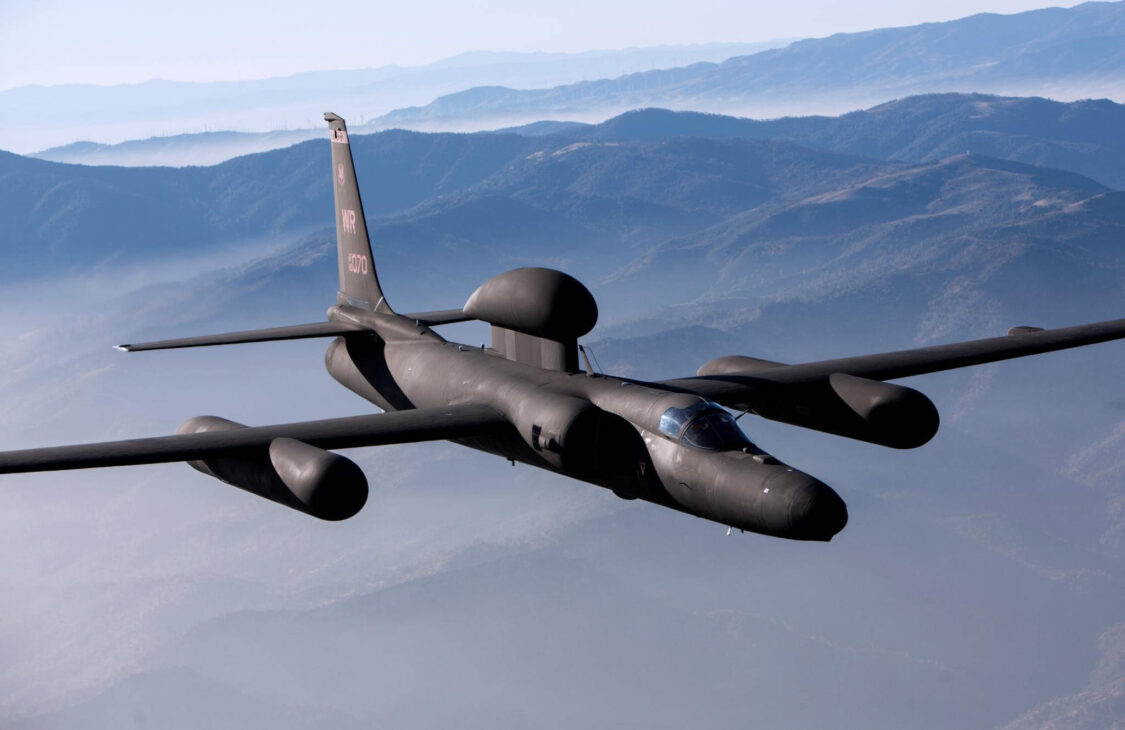
According to the US Air Force, the U-2 has long, wide, and straight wings that give the aircraft characteristics very close to those of a glider. This configuration was essential for the original concept of the aircraft because it allows generating lift in an extremely thin atmosphere and maintaining heavy sensors at unusual altitudes for prolonged periods.
The design is one of the central elements of the project’s success. Instead of relying on extreme speed, the U-2 was conceived to reach great altitude through a combination of structural lightness, aerodynamic efficiency, and large wingspan. This is precisely what makes its silhouette so different from most military planes.
According to NASA, the development of the U-2 was born from the need to create a highly specialized platform for high-altitude reconnaissance. Its basic architecture was so successful that, despite numerous modernizations, the central parameters of the project have remained recognizable over the decades.
The U-2 landing is so difficult that another pilot accompanies the landing in a car
The same characteristics that help the U-2 fly so high create severe difficulties near the ground. According to the United States Air Force, the aircraft uses a bicycle-type landing gear, with wheels aligned along the fuselage. Additionally, forward visibility becomes quite limited during the approach.
Because of this, each landing is usually accompanied by a second U-2 pilot in a high-performance vehicle, which races down the runway and transmits altitude and alignment information via radio. This procedure has become one of the most well-known trademarks of the Dragon Lady and helps compensate for the visual difficulty in the last meters of the landing.
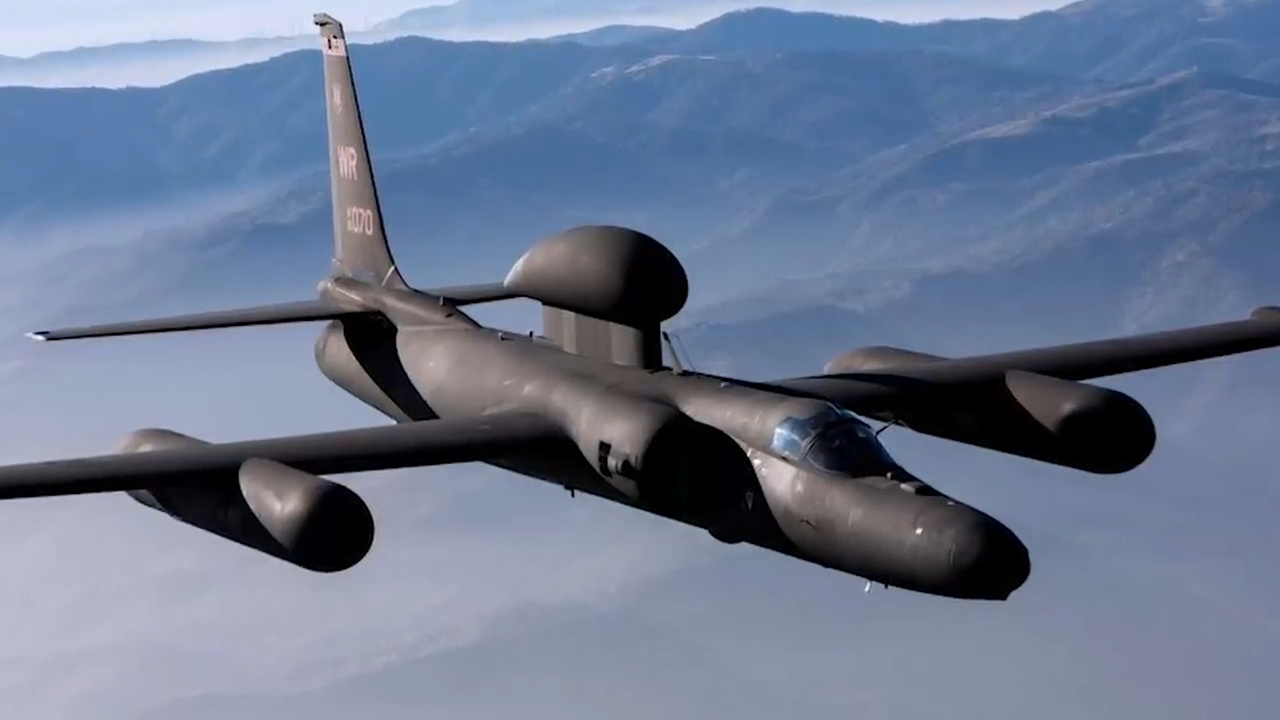
The combination of delicate landing, glider behavior, and low margin of error near the ground is one of the reasons why the U-2 has gained the reputation of being one of the most difficult aircraft in the world to fly. The operation requires precision, experience, and discipline at an unusual level even within military aviation.
The U-2 was born in the Cold War to spy on the Soviet Union
According to NASA, the U-2 was conceived in the early years of the Cold War as a response to the American need to obtain strategic intelligence about the Soviet Union. The goal was simple in theory and radical in practice: to create a plane capable of flying over highly sensitive territories at altitudes that made interception difficult and allowed for photographing military and industrial installations.

The aircraft was built in absolute secrecy by Kelly Johnson‘s team at the legendary Skunk Works division of Lockheed. According to the US Air Force, the first flight of the original model occurred in August 1955. In the following years, the U-2 provided decisive information about Soviet military capability and, in 1962, photographed the installation of Soviet nuclear missiles in Cuba, directly contributing to the missile crisis.
The most famous episode in its history came in 1960, when the plane piloted by Francis Gary Powers was shot down over Soviet territory. According to NASA, the incident became one of the great diplomatic crises of the Cold War and revealed to the world the operational existence of the U-2 program.
Almost 70 years later, the U-2 Dragon Lady remains in service
The most impressive thing about the U-2 is not just its past, but its permanence. According to the United States Air Force, the plane remains active as a platform for high-altitude reconnaissance and surveillance, delivering imagery, signals intelligence, and other strategic data in support of American and allied forces.
Over time, the aircraft has received successive upgrades in sensors, electrical systems, cockpit, and data links. This has allowed a 1950s design to remain useful in a radically different operational environment, marked by electronic warfare, real-time data networks, and new intelligence collection requirements.
According to NASA, the versatility of the U-2 has allowed it to continuously evolve to meet new needs over time. This adaptability explains why the Dragon Lady has survived entire generations of aircraft that have fallen by the wayside.
U-2 remains one of the most extraordinary aircraft ever created
Most planes conceived in the 1950s have long been confined to museums. The U-2 Dragon Lady followed a different trajectory.
With the ability to fly above 21 kilometers altitude, operate with pressurized suits similar to astronauts, land with the support of a car on the ground, and remain relevant almost 70 years after the first flight, it remains one of the most extraordinary machines in aeronautical engineering.
The Dragon Lady continues to occupy a part of the sky where few planes can operate efficiently. It is precisely in this zone, between conventional aviation and the near-space environment, that its legend was built and continues to be maintained.




Be the first to react!