





 Portuguese
  English
  Spanish
  5 min of reading
  0 comments


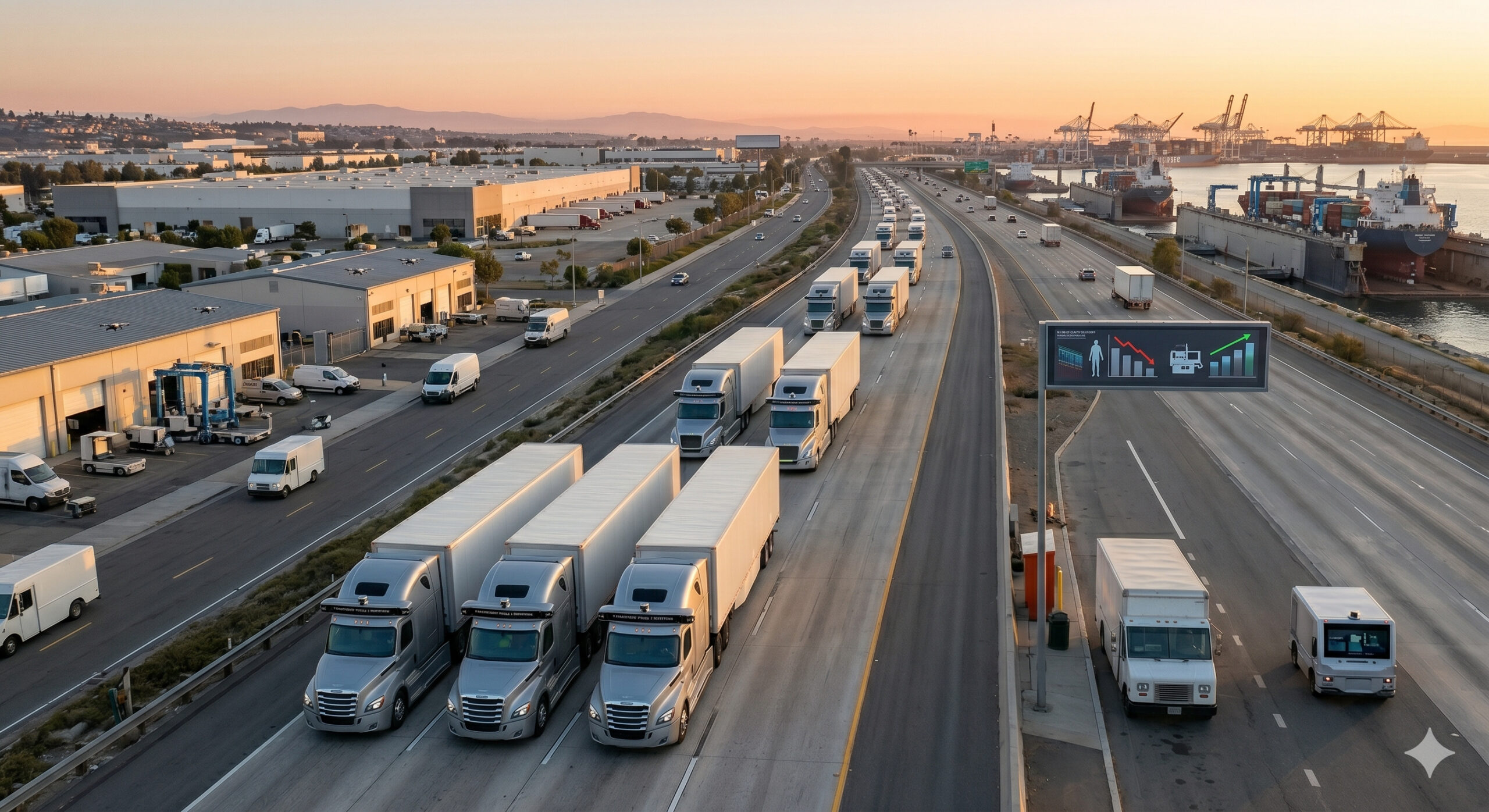
Autonomous trucks are already operating in the USA and a study indicates that up to 70% of the demand for truck drivers could be reduced with automation.
In 2025, the transition of autonomous trucks from experimental testing to real operations reached a concrete milestone in the United States. On May 1, 2025, Aurora Innovation announced the start of its commercial autonomous trucking service in Texas, with regular driverless deliveries between Dallas and Houston, in one of the country’s most relevant freight corridors. In the state, this advancement found a regulatory environment already favorable to automation since 2017 and reinforced by a new specific authorization for the commercial operation of automated vehicles approved in 2025.
These vehicles operate with a combination of cameras, radars, lidar, and artificial intelligence, capable of interpreting the surrounding environment, detecting obstacles, tracking other vehicles, and making real-time decisions during long-distance road trips. In Aurora’s case, the company claims that its system is designed specifically for predictable heavy freight routes on highways, where automation finds more suitable conditions to scale gradually.
The central point is that technology has moved from being just a promise to operating in real scenarios, albeit in a limited and carefully defined manner. However, this does not mean that the total replacement of human truck drivers has occurred throughout the industry: even with the advancement of fully driverless trips on some of Aurora’s routes, the industry’s own ecosystem still operates with restricted operational domains, remote assistance, and gradual deployment models, which shows that full autonomy on a large scale is still under construction.
-
Mangroves hide a billion-dollar water cleanup, remove 960 thousand tons of nitrogen per year, and reveal an environmental power that many people hadn’t even imagined existed.

-
Researchers found evidence that the human brain can react to the Earth’s magnetic field, according to a study published in the journal eNeuro. The participants remained in a sealed chamber and didn’t even notice when the magnetic field was altered.

-
Sweden resumes in Luleå the largest dredging of its modern era and will remove 22 million cubic meters to take the port beyond its 50,000-ton limit, make way for 160,000-ton ships, and unlock the ore route in the Baltic Sea.

-
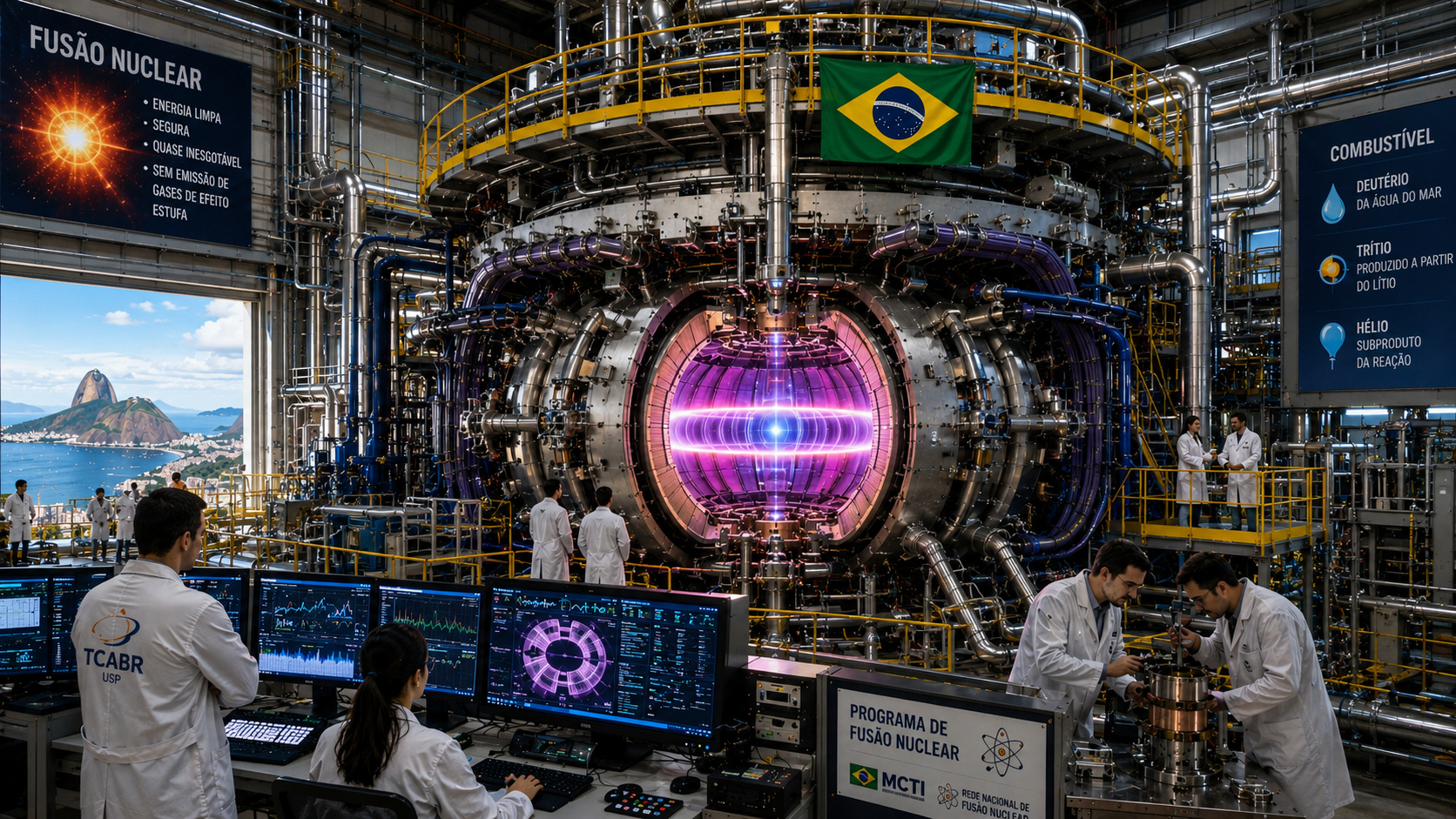
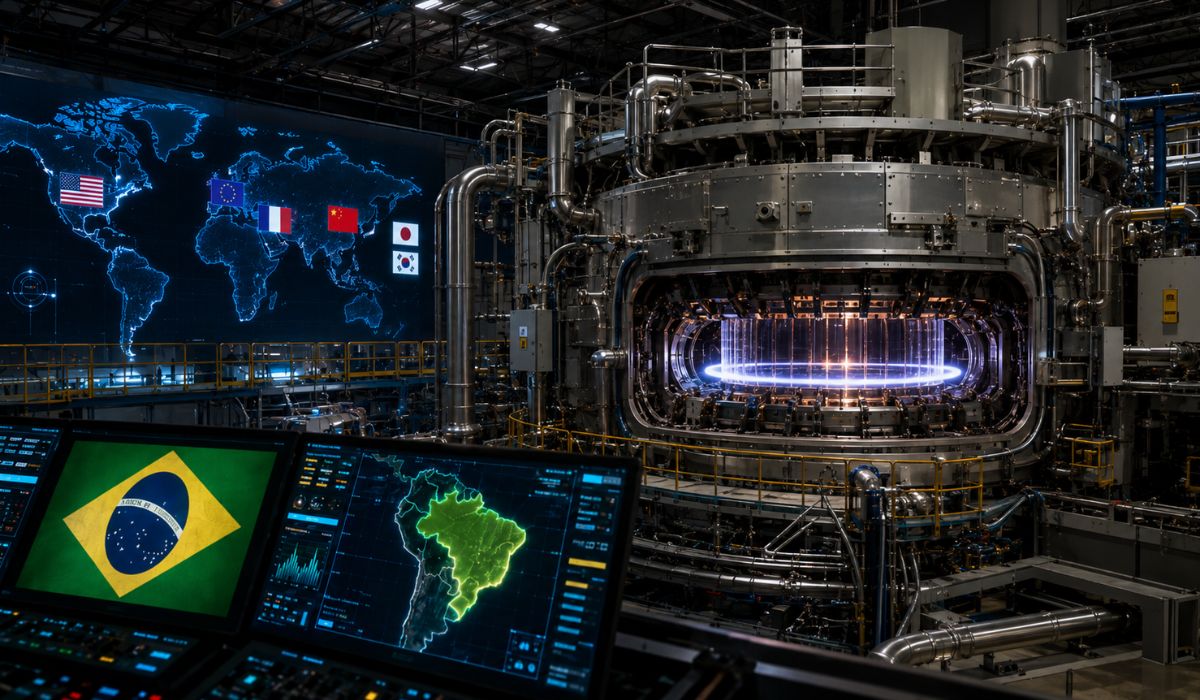
Brazil is in the race for the artificial sun with tokamaks, public research, and a global billion-dollar competition that aims to transform plasma at 100 million degrees into clean, safe, and almost inexhaustible energy for the planet’s future.




International report projects significant impact on driver demand
A widely cited study from the International Transport Forum (ITF), linked to the OECD, estimated that the large-scale adoption of autonomous trucks could reduce the demand for drivers by 50% to 70% by 2030 in the United States and Europe.
The report also points out that up to 4.4 million jobs could be impacted in these two combined markets, considering the total number of currently active freight transport drivers.
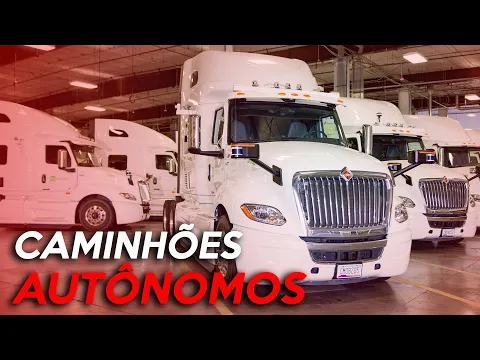

However, it is essential to highlight that these numbers represent projected scenarios, based on assumptions of accelerated technological adoption, and not deterministic forecasts.
Still, the study highlights the potential magnitude of the transformation that automation can bring to one of the most common professions in the world.
New operation model divides work between machines and humans
One of the most relevant changes pointed out by experts is the transition to a hybrid operation model. In this model, autonomous trucks would be responsible for covering long distances on highways, while human drivers would take control in urban areas, distribution centers, and more complex segments.
This concept, known as “hub-to-hub,” envisions the existence of logistical points where cargo is transferred between autonomous vehicles and vehicles driven by humans.
This change profoundly transforms the nature of the profession, which shifts from being centered on long trips to focusing on short routes and local operations.
As a consequence, the work routine, compensation, and job structure may be significantly altered.
Truck driver profession may undergo structural transformation
The possible reduction in demand for long-distance drivers raises questions about the future of the profession. Although automation does not completely eliminate the need for human workers, it tends to reduce the total number of professionals required to keep the system running.
Furthermore, the migration to last-mile functions may imply changes in the work profile, with different shifts, less time on the road, and, in some cases, lower compensation.
This represents a structural transformation, where the profession does not disappear but changes profoundly.
Experts point out that this process may occur gradually, over years or decades, depending on the speed of technology adoption and regulatory factors.
Technological limitations still hinder full large-scale adoption
Despite advancements, autonomous truck technology still faces significant challenges. Complex situations, such as heavy urban traffic, adverse weather conditions, and interaction with pedestrians and other vehicles, continue to be obstacles to complete automation.
Additionally, regulatory and safety issues need to be resolved before the technology can be adopted on a large scale. Each state or country has its own rules, making it difficult to standardize operations.

These factors indicate that the total replacement of drivers is not imminent, but rather a gradual process conditioned by technical and legal advancements.
Economic impact may extend throughout the logistics chain
The adoption of autonomous trucks does not only affect drivers. It can impact the entire logistics chain, including transportation companies, distribution centers, insurers, and even vehicle manufacturers.
The reduction of operational costs, such as salaries and fuel, can make transportation more efficient, but it can also alter the dynamics of pricing and competition in the sector.
Moreover, new roles may emerge, such as autonomous system operators, specialized maintenance technicians, and remote monitoring professionals.
This shows that automation not only eliminates roles but also creates new demands within the job market.
United States lead technology race, but scenario is global
Although the United States is at the forefront of autonomous truck development, other countries are also following this trend. Europe and China are investing in similar projects, and global companies are seeking to adapt the technology to different regulatory and operational contexts.
This movement indicates that the transformation will not be restricted to a single market, but may spread globally as the technology matures and becomes economically viable.
The global scale of the transportation sector amplifies the potential impact of this change, making it relevant for millions of workers in different countries.
Future of road transport may be hybrid between humans and machines
The most likely trend, according to experts, is the coexistence of automated systems and human operators. Autonomous trucks may take on repetitive and predictable tasks, while humans remain responsible for situations that require judgment and adaptation.

This hybrid model can increase transportation efficiency without completely eliminating human presence, but it requires adaptation from workers and companies.
The transition to this new model will be one of the main challenges for the sector in the coming decades.
The advancement of autonomous trucks raises an inevitable question about the future of the profession and what is your opinion on this change
The growing presence of autonomous trucks on the highways represents a profound change in the transportation sector. By reducing the need for drivers in certain roles, technology redefines the human role within logistics.
If projections indicate that up to 70% of demand may be affected in certain scenarios, the impact on the job market could be significant, even if it occurs gradually.
In light of this scenario, an inevitable reflection arises: will automation only transform the profession of truck drivers, or are we facing a structural change that could completely redefine work in road transportation in the coming decades?







Be the first to react!