Portuguese
  Spanish


The Growth of the Nautical Market and the Importance of Cable Maintenance
The Brazilian nautical market, driven by increased investments in sustainable activities such as offshore energy, wind, and solar exploration, is sailing in optimistic waters. According to the Brazilian Association of Boat Builders and Their Implements (Acobar) and the International Council of Marine Industry Associations (Icomia), significant growth in boat production is expected by 2025. In light of this promising scenario, attention turns to the maintenance and conservation of steel cables, essential for safety and efficiency in the nautical sector.
High-Quality Lubricants: Key to Cable Longevity
Steel cables, fundamental in nautical operations such as load lifting and anchoring, require special care to ensure their durability. Luiz Maldonado, CEO of Lubvap Special Lubricants, emphasizes the importance of using high-quality lubricants. Products like Lubvap Wire Offshore, Biogen Wire, and Kluber Lubrication not only extend the life of cables but also enhance the safety of vessels.
Environmental Impact and Sustainability in Lubricant Selection
Luiz Maldonado highlights that lubricants from the Kluber brand stand out for reducing the environmental impact of maritime operations. These products offer an alternative to conventional mineral oils, improving the efficiency of steel cables and contributing to more sustainable practices. This approach aligns with global trends in sustainability and respect for the environment.
-
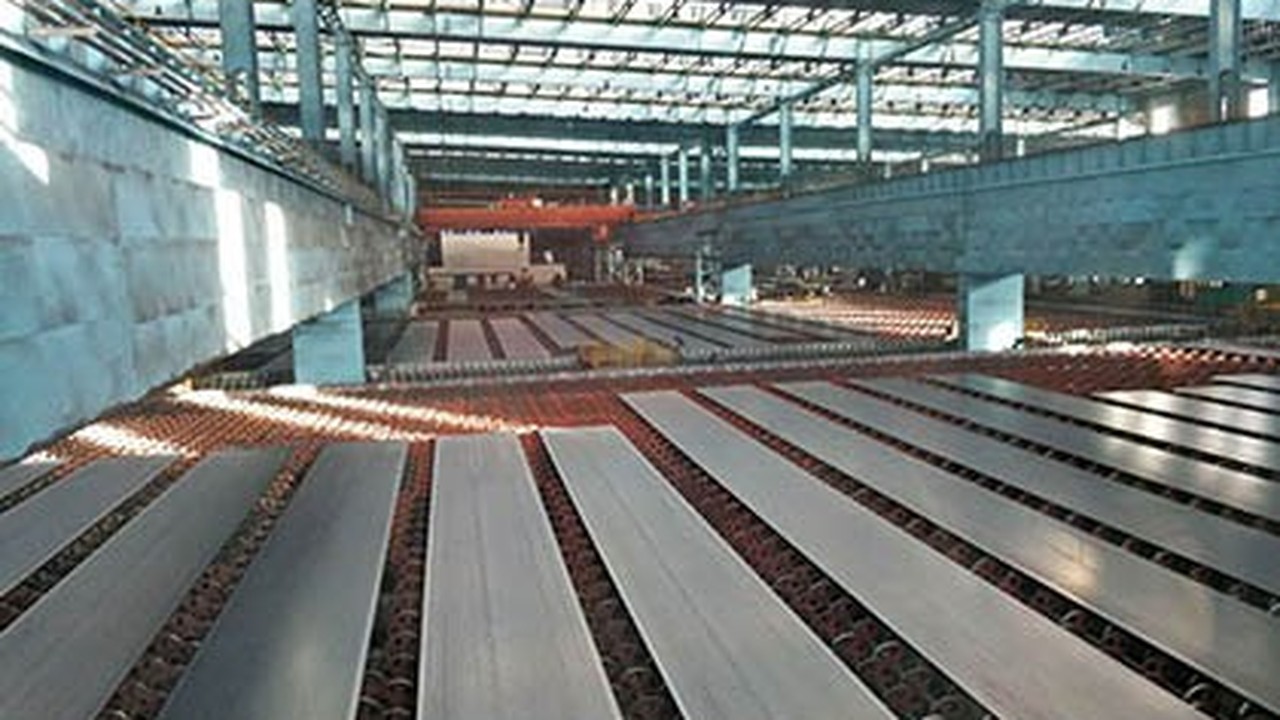
The Rio Grande Shipyard receives 11,000 tons of steel from Indonesia and resumes welding the first Handymax vessels for Transpetro after years of inactivity.

-
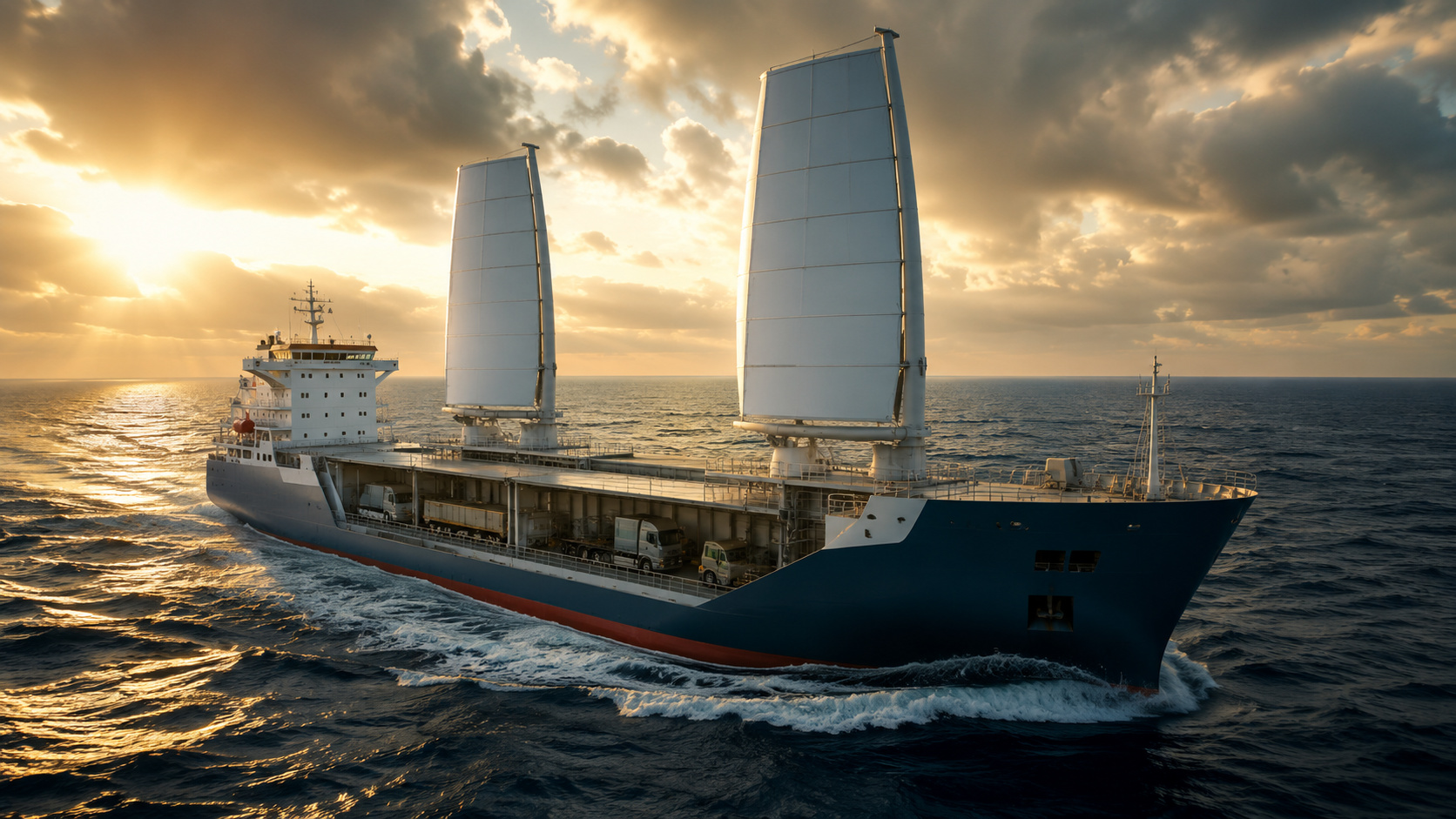
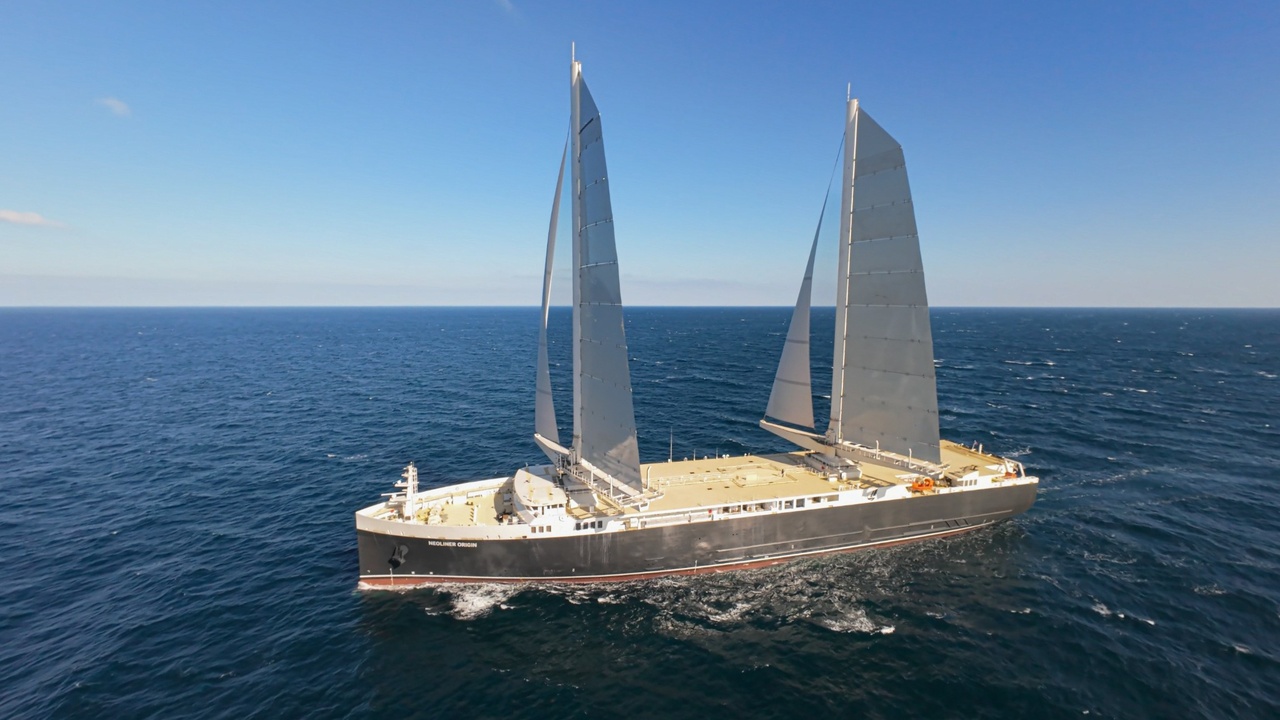
With two giant sails instead of relying solely on the engine, a modern cargo ship crosses the Atlantic carrying cars, forklifts, and goods to test less diesel in maritime transport.
-
They exchanged the idea of a large house for a 35 m² warehouse, spent US$ 12,000 on the structure, and created a tiny house in Colorado with space to live and work.

-
The Port of Itaqui closes the best first semester in history with over 17 million tons and takes off as the locomotive of the Northern Arc.


Brazil: Potential for Nautical Recreation and Sustainability
With 7,500 kilometers of coastline and an extensive network of navigable rivers, Brazil has great potential for recreational boating activities. Petrobras’ Strategic Plan for 2023-2027, with an investment of R$78 billion in the segment, reinforces the commitment to sustainability and value generation in the naval sector.
The Efficiency of Lubricants and Environmental Standards
The lubricants used in the naval sector stand out due to their tribological development, use of high-quality raw materials, and collaboration experience with leading OEMs from various industries. These products are rigorously tested to ensure high performance and compliance with legal requirements, EALs (Environmentally Acceptable Lubricants), eco-labels, and OSPAR (Convention for the Protection of the Marine Environment of the North-East Atlantic).
Lubvap: Expertise in Industrial Lubrication
Lubvap Special Lubricants, with over 15 years in the lubrication solutions market, located in São José dos Campos, São Paulo, serves all segments of the Brazilian industry. The company offers High-Performance Special Lubricants, Automatic Lubricators, Biodegradable Degreasers approved by Anvisa, and Industrial Cleaning Solutions. Lubvap stands out for its team of technical specialists, providing products and services that meet the needs of a constantly evolving naval sector.
Source: Oficina da Comunicação Integrada – Communication advisory Lubvap.