Portuguese
  Spanish



Discover How AXS Energia Prepares Expansion to Democratize Solar Energy and Reach 50 Thousand Customers by 2027.
AXS Energia is preparing to expand its operations, aiming to transform the shared solar energy market in Brazil.
In addition, the company, established as a reference in distributed generation, projects significant growth in the coming years, expanding its reach and democratizing access to renewable energy in various regions of the country.
Thus, AXS’s trajectory reflects not just the technological evolution of the electric sector, but also a cultural and economic shift in energy consumption in Brazil.
-
Solar energy can increase property value by up to 10% and become a selling point.

-
Solar and wind energy surpass natural gas for the first time in the world and accelerate energy revolution

-
Africa has about 500,000 cell towers and most still burn diesel to operate, while companies rush to cover antennas with solar energy and avoid signal blackouts.
-
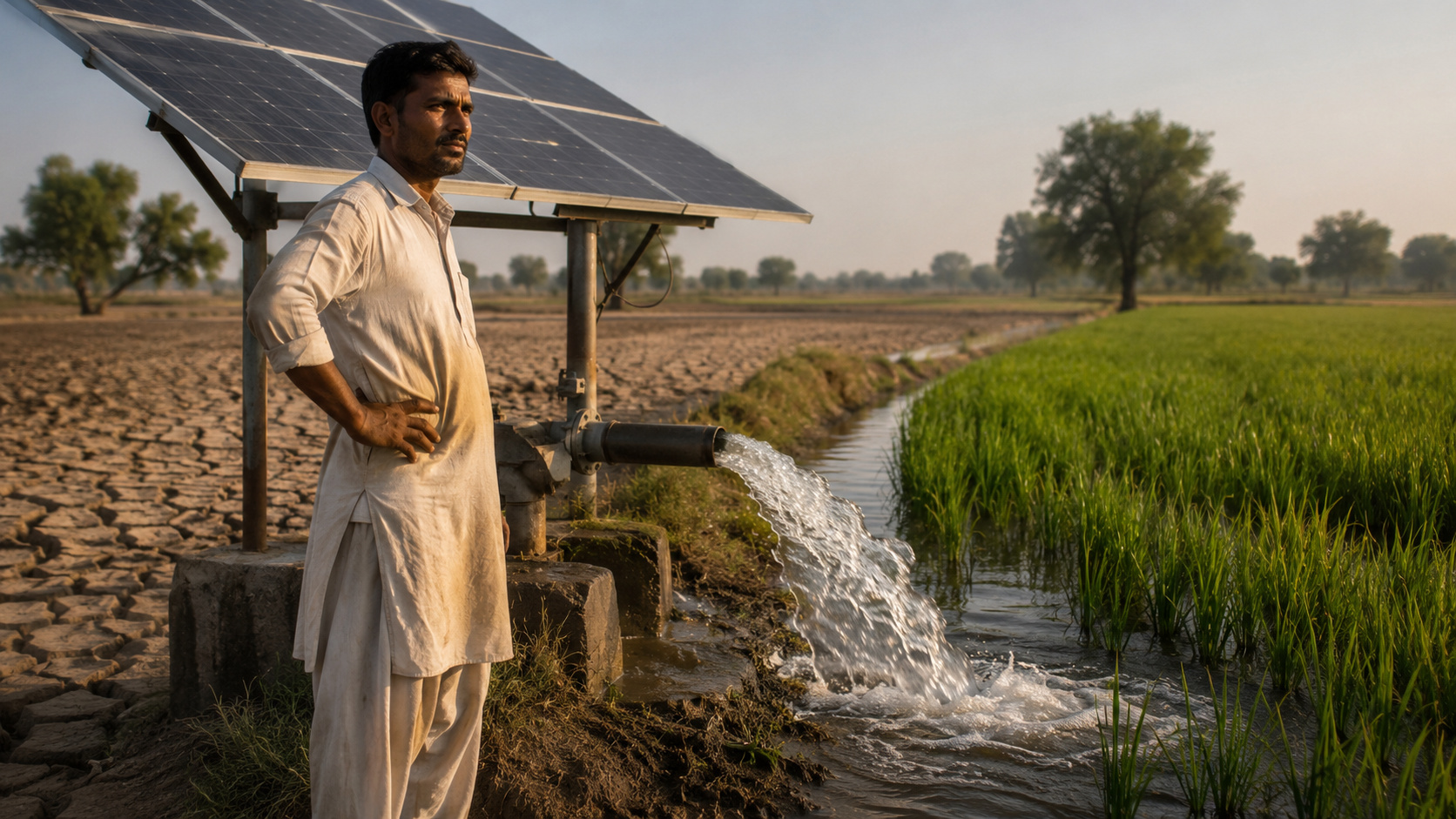
Farmers swapped diesel for solar panels in Pakistan, powered irrigation pumps almost cost-free, expanded rice fields, and now groundwater has become a red alert in the countryside.



AXS’s business model uses shared photovoltaic plants, which allows residential, commercial, and industrial customers to benefit from solar energy without installing panels on their own properties.
Therefore, this approach facilitates access to clean energy, reduces costs for consumers, and contributes to the national energy transition.
Historically, distributed generation in Brazil gained strength in the 2010s, thanks to regulatory incentives, falling prices of solar equipment, and increasing environmental awareness.
In this context, AXS stands out as a company that combines technological innovation and social responsibility, while aligning economic growth with environmental preservation.
Moreover, the shared energy model emerges as a solution to the physical limitations that many homes and businesses face in installing their own systems.
For example, in densely populated cities where roofs are smaller or nonexistent, shared solar energy offers an affordable and scalable solution.
In this way, the model reduces entry barriers and promotes energy inclusion, enabling more Brazilians to access renewable sources in a practical and safe manner.
Growth and Expansion Goals
Currently, the company operates 60 plants in the states of Minas Gerais, São Paulo, Paraná, Goiás, and Mato Grosso, serving around 12 thousand customers by the end of 2024, representing a 70% growth compared to the previous year.
AXS’s CEO, Rodolfo Pinto, states that the goal is to reach 50 thousand customers by 2027, once it activates the 113 plants planned in the first phase of expansion, totaling 355 MW of installed capacity and investments estimated at R$ 1.9 billion.
Thus, this strategic plan reflects not only the expected growth of the company but also the strengthening of the shared solar energy sector in Brazil, which is becoming increasingly competitive and essential for the country’s sustainable development.
One of AXS’s differentiators is the complete digitization of the adhesion and operation process of the plants.
In this way, the company maintains direct contact with customers through digital channels, including phone, email, WhatsApp, and online chat, ensuring speed and simplicity in the service contracting.
Additionally, the company uses data intelligence and predictive analysis tools to optimize the operation of its plants, anticipate maintenance, and improve efficiency in energy generation.
Therefore, the InterSystems IRIS platform processes large volumes of data in real time, generating strategic insights with high precision, which positions AXS as a technological reference in the electric sector.
Investment in technology also strengthens the customer experience.
Social and Environmental Impact
AXS’s business model also generates positive environmental and social impacts.
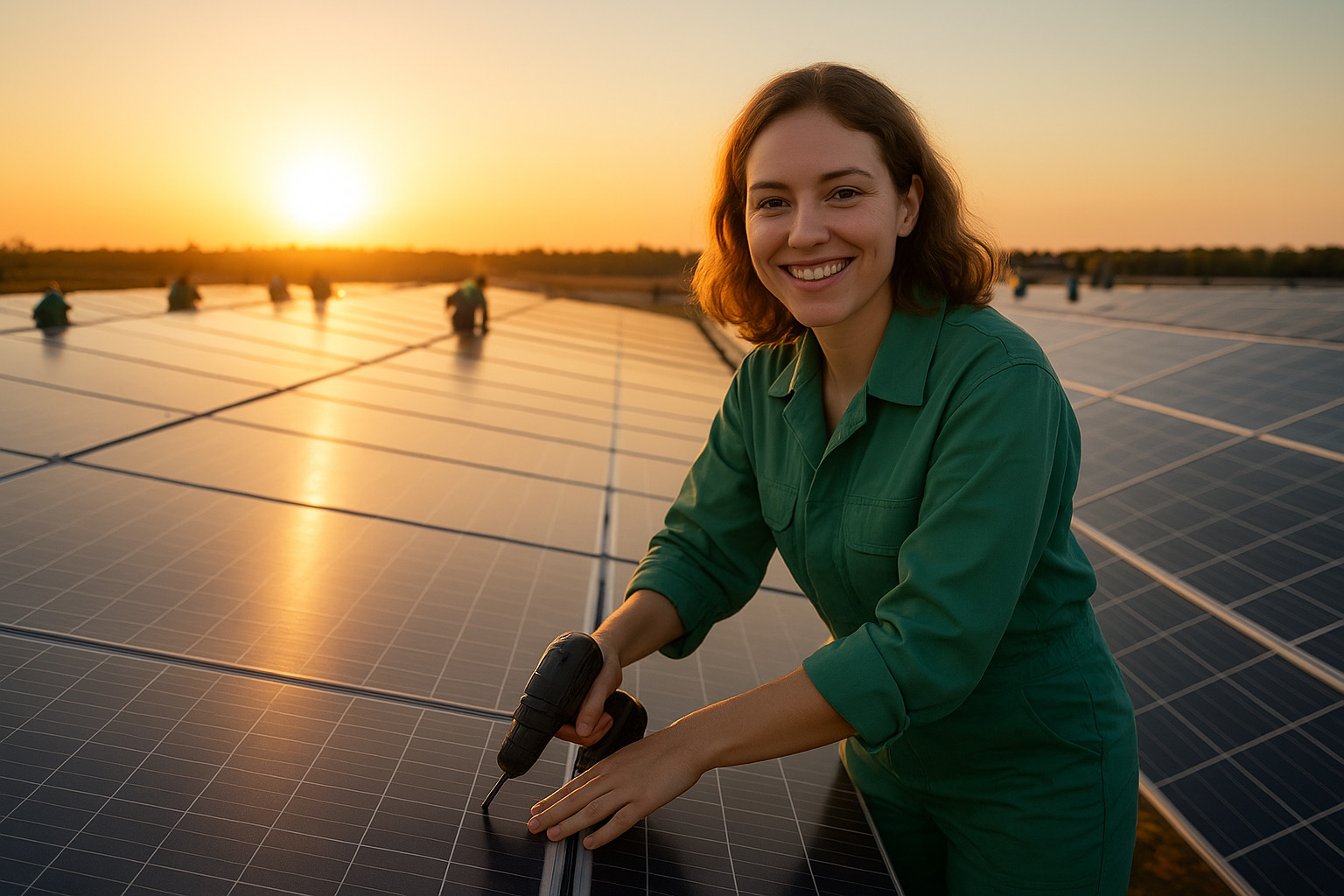
By providing shared solar energy, the company reduces carbon emissions and fosters local development, creating job opportunities and professional training in the regions where it operates its plants.
Projects like the “Bees Project,” which trains beekeepers in partnership with local municipalities, and the “Sustainable Education Project,” focused on environmental education in schools, demonstrate how AXS integrates sustainability and social responsibility into its corporate strategy.
In this way, these initiatives reinforce the company’s commitment to ESG practices, which are increasingly relevant in the global business landscape.
Furthermore, AXS’s expansion contributes to income generation in underserved regions and strengthens local productive chains.
Small suppliers, service providers, and maintenance professionals benefit from the growth of the plants, creating a cycle of economic development combined with environmental preservation.
Historically, clean energy companies have empowered rural communities by providing employment and technical knowledge; hence, AXS follows this example on a modern and digitized scale.
The company is also studying to broaden strategic partnerships, acquire new units, and enter other states, consolidating its national presence and diversifying revenue sources.
Historically, solar energy in Brazil faced barriers such as high initial costs and technical limitations, but innovative models like AXS’s have transformed the scenario, making clean energy more accessible to a larger portion of the population.
Shared Solar Energy in the Brazilian Energy Matrix
The growth of the shared solar distributed generation sector reflects global trends in sustainability and energy efficiency.
Countries around the world are investing in renewable energies, and Brazil, with its abundant solar potential, stands out as a promising market.
AXS Energia, as it prepares to expand its operations, aligns itself with this trend, contributing to the diversification of the Brazilian electric matrix, reducing dependence on fossil sources, and strengthening national energy security.
Another important point is the scalability of AXS’s model.
While individual systems face space limitations and high initial investments, shared energy allows serving a larger number of customers efficiently and economically.
In this way, the approach promotes energy inclusion, offering accessible solutions even for customers who, due to structural or financial issues, could not invest in their own solar energy.
Moreover, the combination of technology, data management, and operational innovation allows AXS to remain competitive and meet the growing demand for clean energy.
Additionally, shared solar energy encourages consumers to actively participate in the electric sector.
Customers monitor their consumption, interact with technology, and make conscious decisions about savings and sustainability.
Historically, this behavior has helped accelerate the adoption of renewable energies and strengthen environmental awareness.
Economic Benefits and Governance
Investment in shared solar energy also brings significant financial benefits to consumers.
The reduction of electricity bills, combined with cost predictability, creates value for families and businesses, stimulating new investments and consolidating renewable energy as a viable and advantageous alternative.
By encouraging the energy transition, AXS contributes to a more sustainable and resilient economy, while being in line with decarbonization goals set by Brazil and international organizations.
AXS’s commitment to corporate governance also represents a differential.
The company has become associated with the Ethos Institute and participates in maturity assessments in ESG management, reinforcing transparency, ethics, and accountability in its operations.
These efforts ensure that the planned growth by 2027 occurs sustainably, balancing economic expansion, environmental impacts, and social benefits.
AXS Energia is preparing an ambitious, yet carefully planned expansion, focusing on innovation, sustainability, and energy inclusion.
By combining advanced technology, digitization, and a strong ESG agenda, the company expands its market presence and transforms the energy sector in Brazil.
The prospect of reaching 50 thousand customers by 2027 represents more than just a numerical goal: it symbolizes the strengthening of shared solar energy as an instrument of sustainable development, democratizing access to clean energy, and building a more balanced future for society and the environment.