Portuguese
  Spanish


The New Strongest Battery In The World Can Completely Transform Electric Cars, Extending Their Range By 70%, And Reduce The Size Of Smartphones To That Of A Credit Card. Find Out How This Innovation Will Change The Future Of Technology!
A revolution in energy storage is underway, thanks to the innovation of researchers at Chalmers University of Technology, in Sweden. They have developed the strongest battery in the world, capable of increasing the range of electric vehicles by up to 70%.
This advancement promises not only to improve the performance of electric vehicles but also paves the way for new applications, such as ultra-thin cell phones and lighter laptops, as stated in a recent announcement.
Challenges In The Electrified Transport Sector
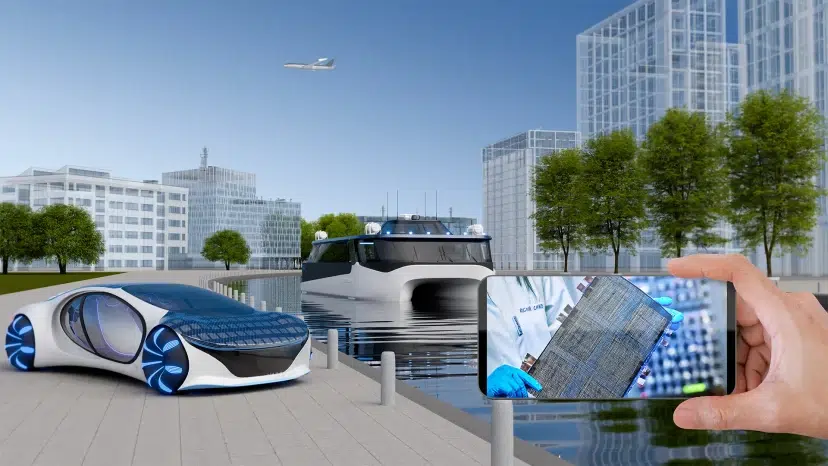
Despite the growth in the adoption of electric cars, the complete transition to an electrified future free of fossil fuels still faces challenges.
-
2027 Toyota Corolla Cross Unveiled: New Design, Enhanced Fuel Efficiency, Reduced Maintenance Costs, Advanced Technology, Connected Services, and Up to 10-Year Warranty

-
Fiat Cronos Precision 2018: Affordable Sedan with Spacious Trunk and Reliable Maintenance
-
Volkswagen to Cut Production by 1 Million Cars by 2030, Reducing Jobs and Platforms, Focusing on More Profitable Models

-
Toyota Launches First 100% Electric Car in Brazil: bZ4X with 343 HP, All-Wheel Drive, 361 km Range, Priced at $419,990 BRL, Limited to 99 Units




Long-distance transport, such as ships and airplanes, relies on fuels with high energy density and light enough to be transported in large quantities. Traditional batteries, while more eco-friendly, are much heavier than fossil fuels, making their application in larger vehicles challenging.
The solution may lie in the strongest battery in the world, which has been developed to be an integral part of the vehicle structure, replacing the concept of dead weight.
These structural batteries help reduce energy consumption and consequently increase the range of vehicles.
The Development Of Structural Batteries
A research team led by Professor Leif Asp, an expert in Materials Mechanics and Industrial Science, has been exploring the use of carbon fibers in structural batteries.
In 2018, the group demonstrated that carbon fibers could store electrical energy and serve as electrodes in lithium-ion batteries. Since then, significant advancements have been made, with the team increasing the energy density of the battery to 30 Wh/kg in recent reports.
While this capacity is still below that of conventional lithium-ion batteries, the true impact of the strongest battery in the world lies in its multifunctionality.
Being part of the vehicle structure, these batteries do not need to achieve the same storage capacities to be effective. According to the team’s calculations, electric vehicles equipped with these batteries could travel up to 70% further than current models.
How Carbon Fiber Transforms Batteries

The secret to the success of structural batteries lies in carbon fiber, which plays multiple roles in the system.
In recent iterations, carbon fibers are used as both positive and negative electrodes, as well as providing structural reinforcement, current collection, and active material. This means that the battery can be manufactured without the use of heavy materials like copper or aluminum, helping to reduce the overall weight of the vehicle.
Additionally, the battery uses a semi-solid electrolyte to transport lithium ions, which reduces the risk of fire, a common concern with traditional batteries.
Although the current version still has power limitations, Asp’s team is focused on improving this area.
Another significant advancement is the increased stiffness of the battery, which can now carry loads comparable to materials like aluminum but at a much lower weight.
This makes it one of the most advanced multifunctional batteries in the world, and potentially the strongest battery in the world developed to date.
The Future Of Structural Battery Technology
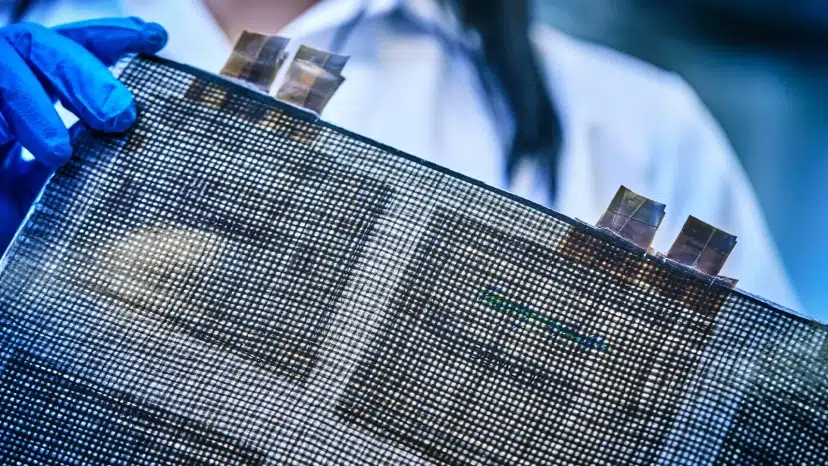
The implications of this technology are vast. In addition to revolutionizing electric transport, structural batteries can be applied in a variety of electronic devices, such as cell phones and laptops, making them lighter and more efficient.
According to Asp, cell phones as thin as credit cards and laptops weighing half as much as current models are not far from becoming reality.
However, for this technology to have a significant impact on the transport industry, substantial investments will be required.
Still, it is in this area that structural batteries could make the biggest difference, allowing for a faster transition to a sustainable and efficient transport future.
This advancement marks an important step in the search for innovative solutions to tackle global energy challenges. As research progresses, the expectation is that structural battery technology will help transform both transport and electronic devices, providing a cleaner and more efficient world.