Portuguese
  Spanish


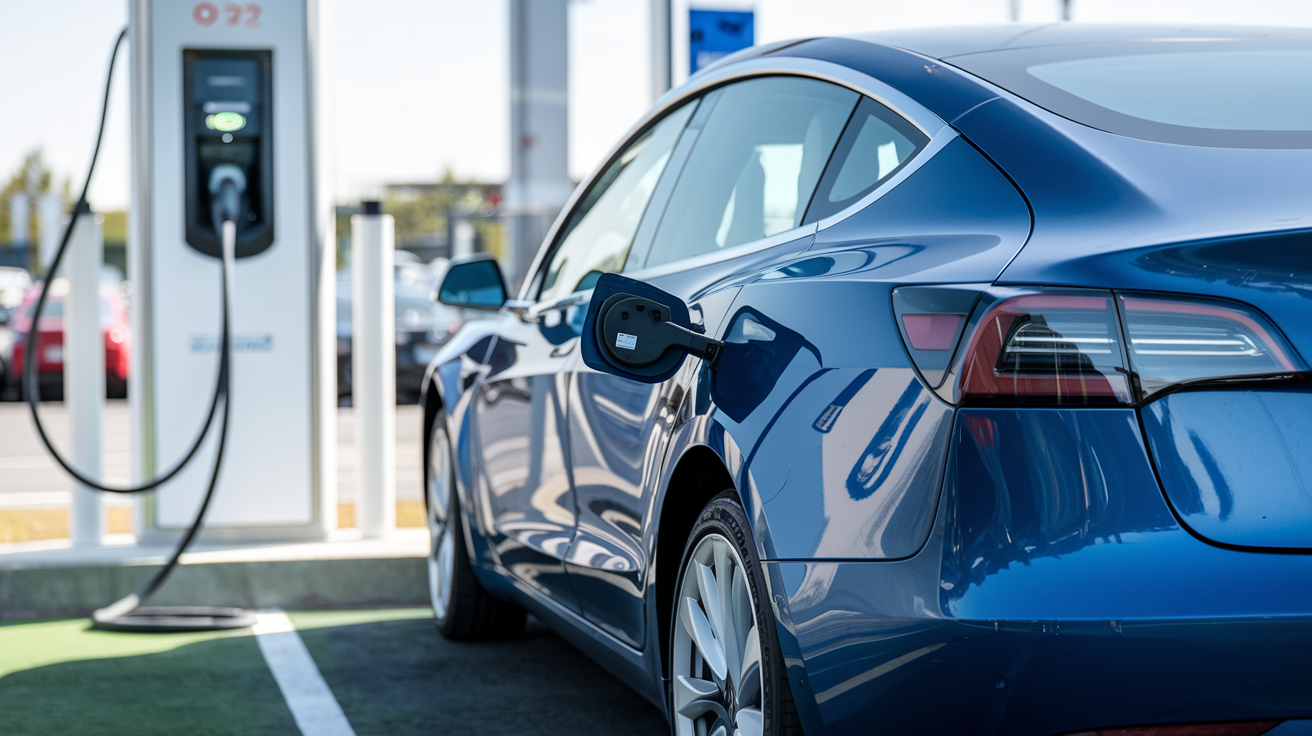


Company Conducts New Studies on the Durability of Electric Car Batteries and the Results Are Surprising: Capacity Remains at 99% Even After Years of Use.
The durability of electric car batteries is often questioned and considered one of the main factors impacting the acceptance of these vehicles in the market. However, a study conducted in Australia, released on February 15, 2025, showed that the batteries maintain over 90% of their original capacity, even after driving 120,000 kilometers and more than four years of use. The data reinforces the reliability of the technology and indicates that battery degradation may be less than many consumers imagine, strengthening the case for automotive electrification.
Electric Car Battery Durability Test Uses BYD, Tesla, and Other Brands
Conducted by Pickles, a used car sales platform, the research on electric car batteries dismisses one of the main consumer concerns about component wear, which had previously been seen as a major obstacle to the use of electric vehicles.
To illustrate, a survey by the Green Finance Institute in 2023 showed that 62% of respondents stated they would not buy an EV due to concerns about battery life.
-
Suitcase-sized hydrogen engine spins at 25,000 rpm, nearly doubling the efficiency of conventional cars and replacing exhaust smoke with water vapor

-
1983 Chevrolet Runs Over 100,000 km Without Gasoline, Powered by Wood Chips, Reaches 125 km/h in Airport Test

-
Workshop Converts Giant Tractor Tire Tricycle into a Three-Wheel Drive Hybrid with 36,000-Watt Electric Motor Capable of Climbing Hills

-
Chery Offers Lifetime Battery Warranty and Car Replacement for Major Failures Under New Chinese Regulations
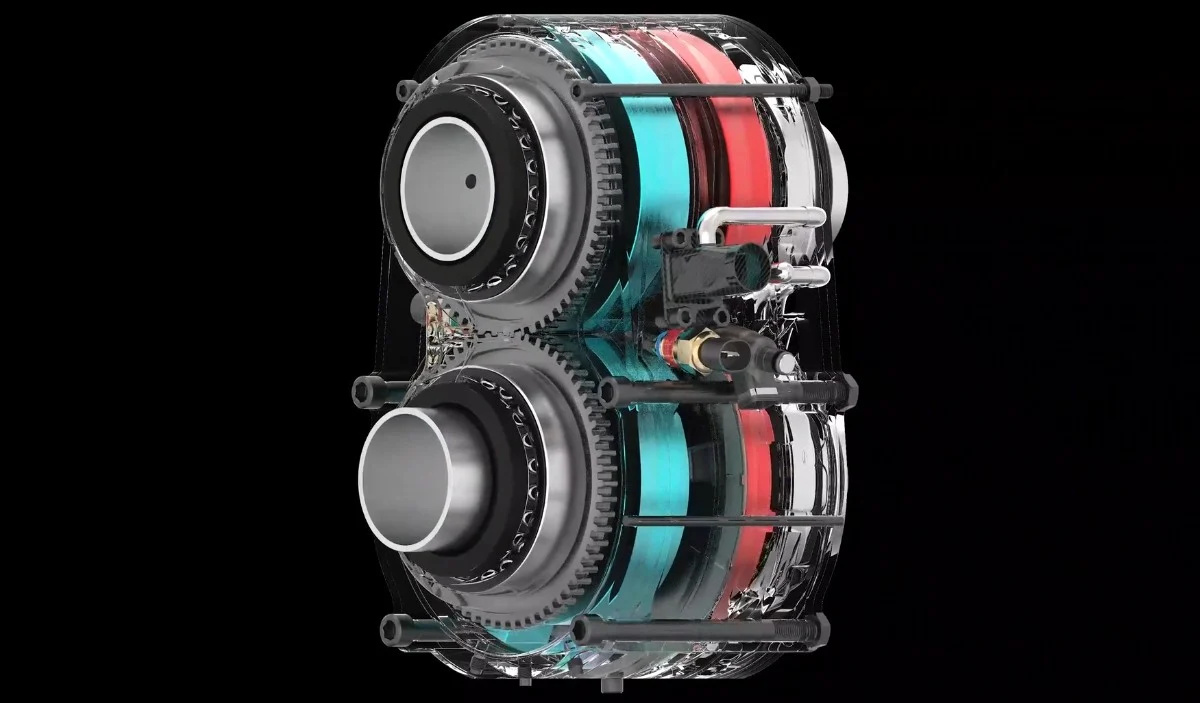


According to the electric car battery durability study, Hyundai models exhibited an impressive battery health retention of 99.31% after 120,000 km. BYD secured second place with 98.62%, surpassing the previous mark of the Tesla car.
The results for electric car batteries are promising, considering that the analysis involved over 250 electric vehicles distributed across various Australian cities, despite the sample being relatively small.
These new numbers provide a fundamental insight into the health of electric car batteries in the used market, a segment that is growing rapidly. Pickles reported a 190% increase in used electric vehicle sales in 2024, reflecting a change in consumer behavior towards electric vehicles.
What Changes With the New Research on Electric Vehicles
The average lifespan of lithium-ion batteries in electric cars ranges from 10 to 20 years, depending on their usage conditions. The reduction in storage capacity is due to factors such as chemical degradation and cumulative use. Internal resistance in each recharging cycle makes it more difficult, reducing storage.
However, the new electric car battery durability study by Pickles showed that this loss is very low, even over several years. Therefore, this data shows a positive trend in the electric vehicle market, not only for new models but also for used ones, especially as batteries demonstrate impressive durability that helps alleviate drivers’ concerns.
Other Points Raised in the Pickles Study
Additionally, the research on electric car battery durability also highlighted the impact of new laws created by governments, such as the new Vehicle Efficiency Standards (NVES), which will come into effect in Australia later this year.
These regulations set emission limits for new vehicles and may lead to an increase in demand for used electric vehicles as consumers seek more sustainable ways to travel.
The estimate is that the implementation of this new legislation could reduce carbon emissions by up to 20 million tons by 2030. Another relevant point from the electric car battery study was the increasing competitiveness of cheaper EV models imported from China, which has challenged the global market. However, the Tesla Model 3 remains the best-selling electric model in Australia, despite the sales decline reported by Tesla in the past year.
Sources: MSN, NEWS Motor