






 Portuguese
  Spanish


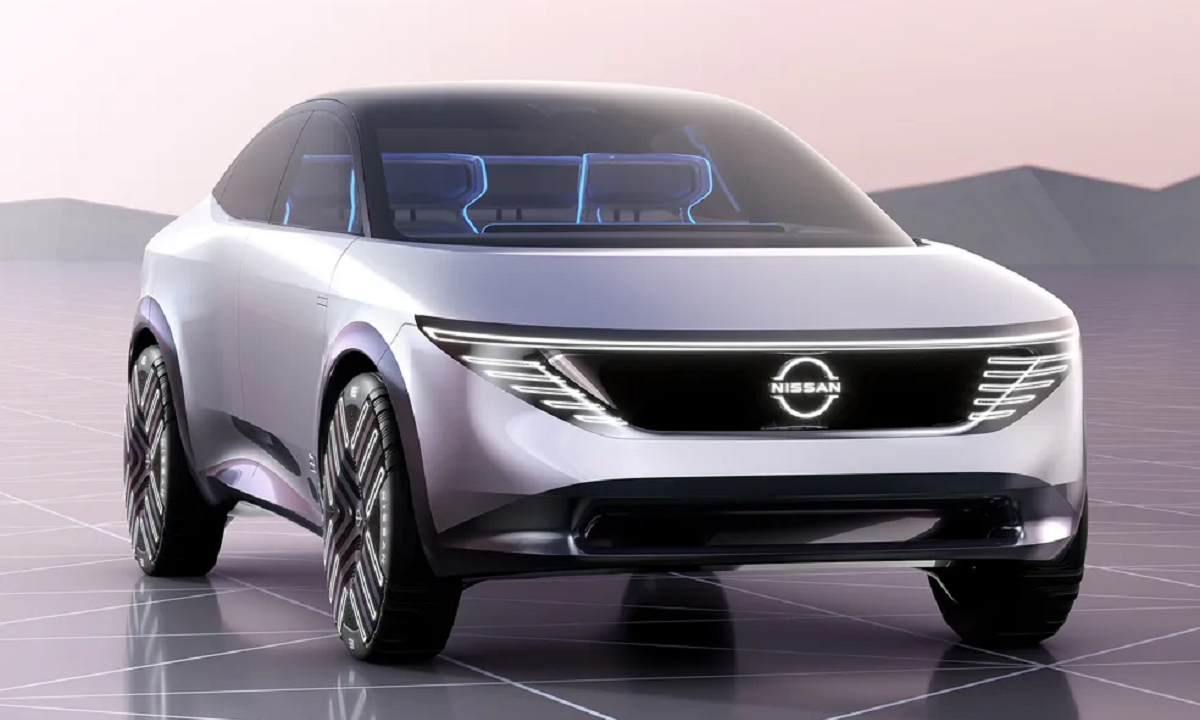

The Price and Charging Time of Electric Cars Will No Longer Be a Problem for Nissan
Nissan is willing to solve the two major problems of electric cars that prevent many people from acquiring them. In the coming years, the automaker plans to tackle the challenges of price and charging time with its prototype 50% cheaper, which charges in up to 7 minutes. This surprising bet from the Japanese brand features solid-state batteries.
Solid-State Batteries and Energy Density of the Cells
During an interview with the British magazine Autocar, Nissan’s Vice President of Research and Development stated that solid-state batteries charge three times faster, reaching 400 kW. Thus, an electric car with a 50 kW battery capacity can be charged in just seven and a half minutes.
Solid-state batteries use solid electrolytes (minerals that carry an electric charge) in place of the liquid electrolytes found in lithium-ion batteries. Therefore, they allow for greater energy density, ensuring less raw material is needed to achieve the same range.
-
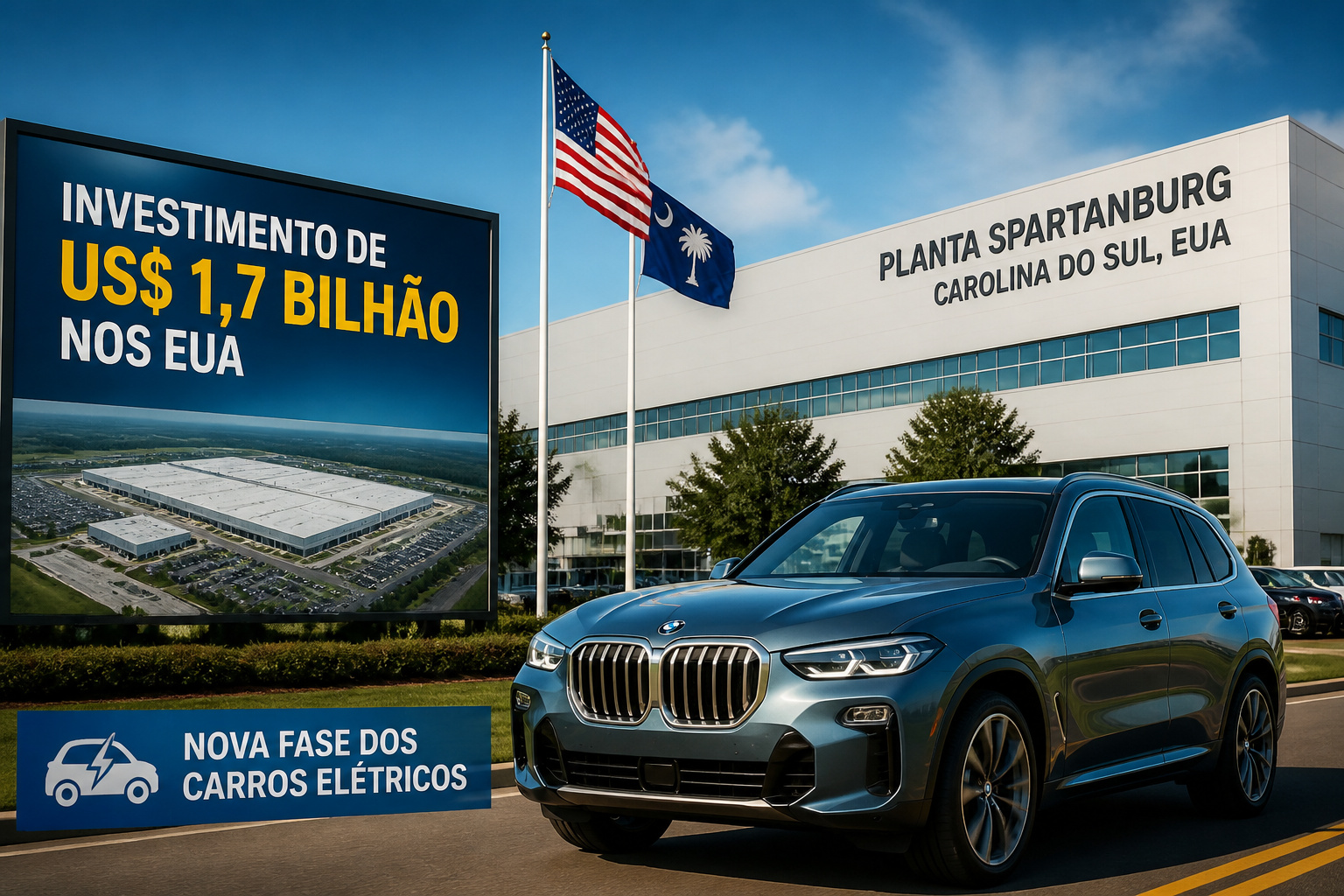
BMW Completes $1.7 Billion Investment in the U.S. for Electric Vehicle Production, Positions South Carolina for New Generation as Rivals Reassess EV Race

-
Toyota to Open New Factory in Brazil by November 2026 with $2.2 Billion Investment, Creating 2,000 Jobs, and Ending Corolla Production in Indaiatuba

-
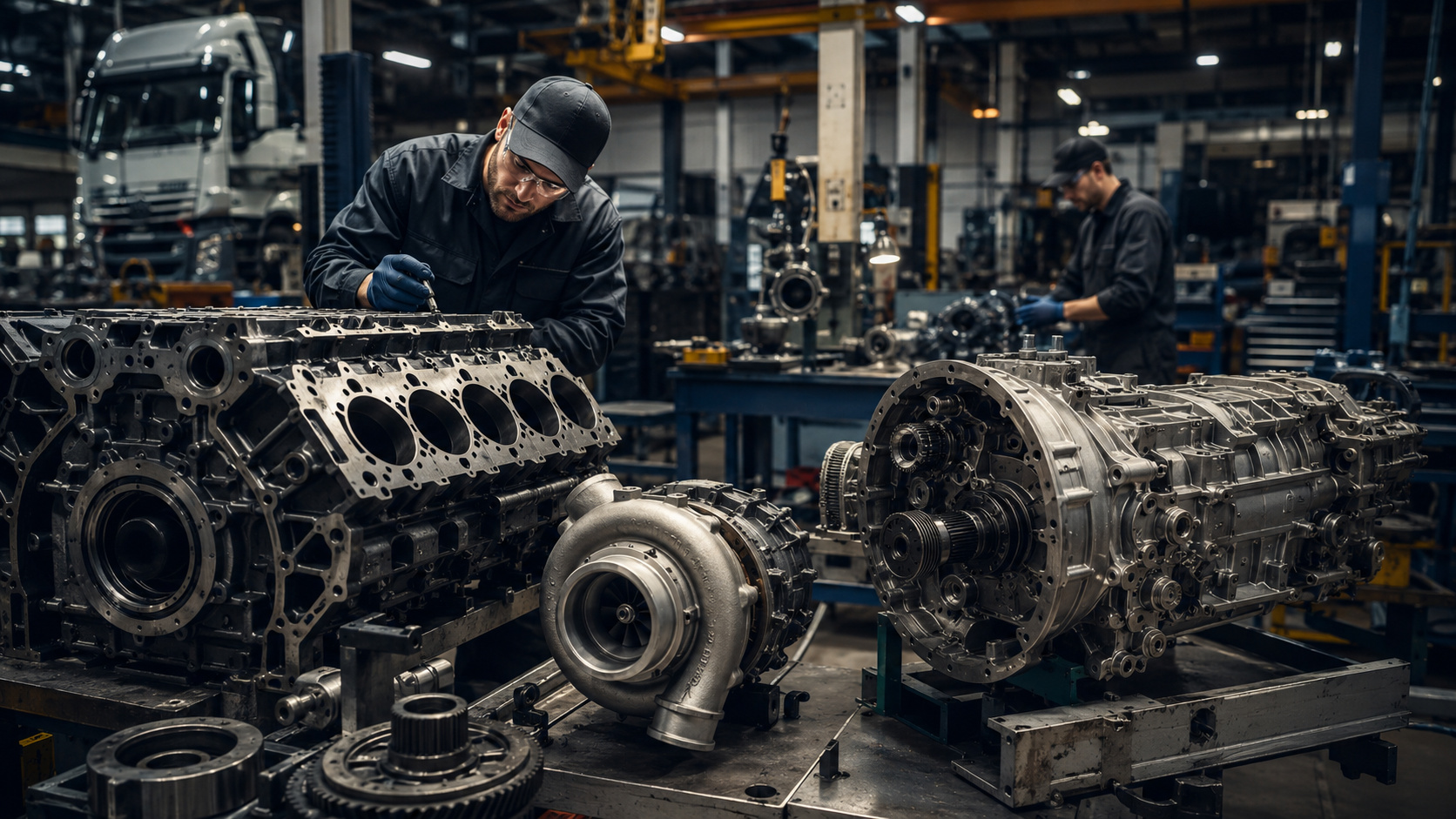
Brazilian Factory Restores Truck Engines and Parts, Reducing Raw Material Use by Up to 85% After 80 Years in Business

-
British Marines Set Record by Changing Ford Escort Engine in 42 Seconds, Unbroken for 40 Years



According to AutoEsporte, Nissan is seeking ways to double the energy density of the cells so that during production, the cells can be the same size as a laptop. Additionally, the Japanese automaker is also working to reduce the cost of electric cars by 50%, in order to make them accessible to a larger number of people.
Predictions for the Arrival of the New Electric Car in the Market
The first commercial model with this type of technology from Nissan is expected to reach the market in 2028. However, tests and experiments with the new electric car should begin in 2025, and the engineering work is scheduled to finish in 2026.
The major challenge for the automaker in utilizing solid-state battery technology is related to costs, sensitivity to pressure and temperature, and lithium debris, which can overheat the battery and cause fires.
Finally, the vice president guaranteed the presence of current batteries, which will have a new generation in 2025 and cobalt versions in 2028. Meanwhile, combustion engines will remain relevant, especially in countries like Brazil, but will not be updated to meet Euro7 emission standards.


