Portuguese
  Spanish


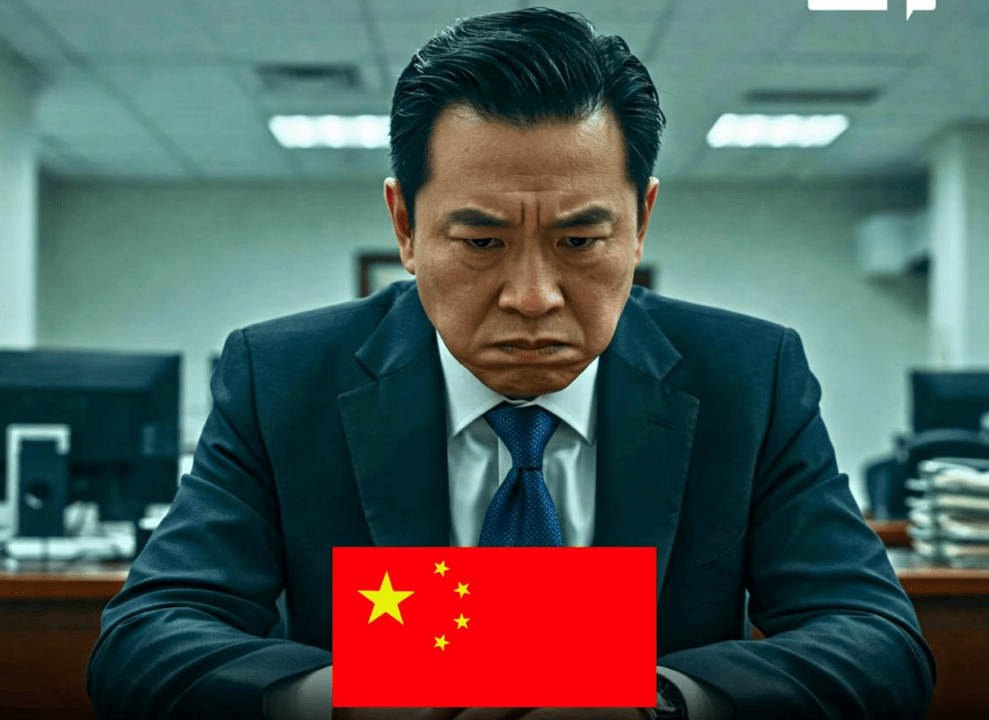

An Unusual Proposal Caught The Attention In The Corporate World: A Chinese Billionaire Launched The “Unhappiness Leave”, Allowing Employees To Take Time Off When They Are Not Doing Well Emotionally. Moreover, He Began To Offer Salaries Of Up To R$ 350 Thousand Annually For Positions Considered Simple, Generating Debates About Mental Health And Valuation In The Work Environment.
A Chinese businessman is catching the world’s attention by implementing radical measures to ensure employee well-being. Yu Donglai, founder of the retail chain Pang Dong Lai, recently announced the creation of the “unhappiness leave” – a novel benefit that allows workers to take up to 10 days off when they are emotionally distressed, without the need for a medical justification.
The rule is clear: if the employee says they are not well, they can be absent. According to Yu, “if someone is unhappy, they should be able to rest. There is no productivity or humanity in forcing someone to work like that.”
The additional leave cannot be denied by supervisors. “Denial of this right is a violation of company policy,” he emphasized.
-
Cape Verde’s World Cup Surprise: Betting on Electric Cars, a 5 MW Solar Plant, and an Ambitious Plan to Transform Energy for 600,000 Residents

-
Man Finds 1,469 Ancient Roman Silver Coins While Metal Detecting in Romania
-
Young Brazilian Siblings Go Viral for Catching Giant Fish, Launch Sport Fishing Project
-
72-Year-Old Retired Professor from Rural Brazil Recites 247 Digits of Pi in One Minute, Setting National Memory Record


This initiative is not alone. Pang Dong Lai is already known in China for offering working conditions far superior to the national average. Among the guaranteed benefits are:
- Workdays of only 7 hours per day;
- Completely free weekends;
- Between 30 and 40 days of vacation per year;
- An additional 5-day break during the Lunar New Year.
High Salaries
Moreover, Yu implemented an internal certification system that allows any employee, including those in operational positions like cleaners, to earn up to 500,000 yuan per year – equivalent to about R$ 350 thousand. Salary progression is based on performance, training, and internal evaluations.
These policies have broken with the traditional work culture in China, which has historically been marked by long hours and pressure for results.
Yu Donglai’s model contrasts with the so-called “996” system (from 9 a.m. to 9 p.m., six days a week), heavily criticized for causing physical and mental burnout.
The response on Chinese social media has been enormous. Many users praised the proposal and called for other companies to follow suit.
Statements like “This is true capitalism with a human face” and “I wish my boss would read this” spread across forums and messaging apps.
The Businessman’s Story
Yu, who started his career as a salesman and now leads one of the most respected retail chains in the country, argues that profit should not come before dignity. “People are not machines. We need time to live, to think, and sometimes just to breathe. If work doesn’t allow for that, it’s wrong.”
The case is already beginning to inspire debates inside and outside China about mental health in the corporate environment. In times when burnout syndrome is growing worldwide, measures like this raise an essential question: Is it possible to reconcile productivity with humanity?
For Yu Donglai, the answer is clear – and begins with a simple gesture: asking the employee how they feel, and above all, respecting the answer.
With information from SCMP.