






 Portuguese
  Spanish


Brazilian Nickel Sold $400 Million Cheaper to China: Billionaire Calls It a Historic Mistake and Demands Immediate Action
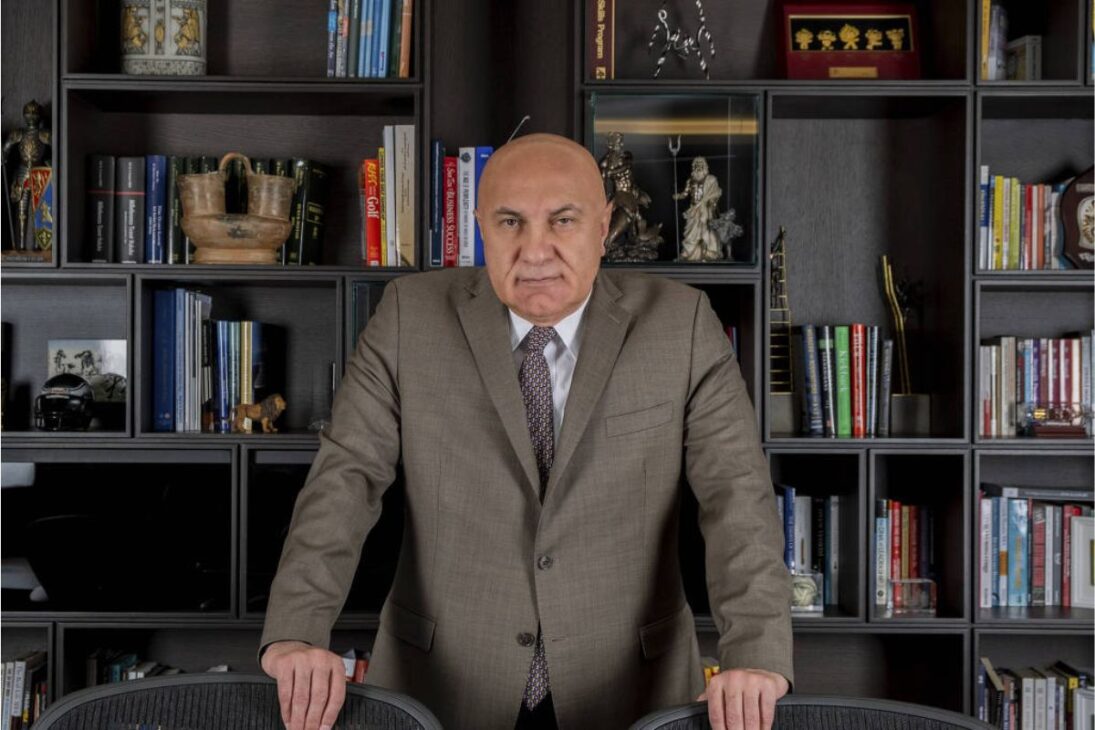
The advance of China over Brazil’s strategic minerals has gained a new controversial chapter. Turkish businessman Robert Yüksel Yıldırım, owner of Yıldırım Holding and globally known as the “chrome king,” issued a stern warning: according to him, Brazil is “selling its underground cheaply” and, by allowing the unrestricted entry of Chinese state companies, it may be compromising its economic sovereignty in the future.
The statement comes after a heated dispute for the purchase of Anglo American’s nickel assets in Brazil. The British multinational opted to sell its projects to the Chinese state-owned MMG (China Minmetals Group) for US$ 500 million, rejecting a proposal of US$ 900 million made by Corex Holding, a company of the Yıldırım group based in the Netherlands.
A Negotiation That Became an International Case
For the businessman, the operation represents a “global turning point” in the nickel trade — a mineral considered essential for the energy transition and the production of electric batteries. The shock, according to him, was not losing to a competitor, but the fact that Anglo rejected a US$ 400 million higher offer.
-
Brazil’s 2026 Tax Refund: Record 9.58 Million Filers in Largest Payout Ever, But a Key Detail on Priority Recipients Draws Nationwide Attention

-
Itaú Alters Hybrid Work Model, Increasing Office Days from 2028, Prompting Employees to Adjust to New Routine
-
Facing Labor Shortage, Japan Plans to Invest $34 Million to Attract Foreign Workers in Construction, Healthcare, Industry, and Commerce

-
Brazilian City Makes Remarkable Leap, Becomes 4th Wealthiest in the Country with GDP of R$ 134.1 Billion




“I have never seen this in any of the 58 acquisitions I have made around the world. A seller refusing a price increase is unprecedented,” Yıldırım said in an interview. He claims he even offered financial guarantees and increased investments, but Anglo preferred to go with the Chinese.
The case raised suspicions about the criteria used in the decision. Anglo justified that MMG had a solid history in mining and good ESG practices. Yıldırım countered: “I also follow all the ESG rules required by European and American banks. If it were only about governance and sustainability, my proposal met all the requirements.”
Consequences for Brazil
According to the businessman, Anglo American’s choice will have direct impacts on Brazil. He emphasizes that, under his management, 80% of production would be destined for Western markets such as the United States, Europe, and Brazil, leaving only 20% for China. However, with the sale to MMG, there is a risk that all Brazilian nickel production will be directed to Beijing, increasing Chinese monopoly over critical minerals.
“Who controls nickel controls much of the future,” he reinforced. To him, Brazil is emerging as a central player in this geopolitical struggle for strategic resources but risks becoming just a cheap supplier to the Chinese market.
The billionaire has already called on the European Commission to investigate the operation and announced that he will also request the Cade (Administrative Council for Economic Defense) in Brazil to analyze the deal. “Brazilian authorities need to think five times before approving this sale. Brazil cannot give up such important assets without considering the long term,” he stated.
Chinese Pressure and Political Alignment
Yıldırım’s criticism connects to a broader scenario: the growing influence of China over the global market for strategic minerals. Beyond nickel, Beijing has positioned itself as a leader in sectors such as lithium, cobalt, and rare earths, which are fundamental for the high-tech industry.
In the Brazilian case, the businessman also points to the political component. As Brazil is part of the BRICS and maintains a close relationship with Beijing, there are doubts whether the government of Luiz Inácio Lula da Silva would be willing to question a transaction that directly benefits a Chinese state-owned company. “Lula and Xi Jinping are very close. It remains to be seen whether there will be the courage to impose limits on this Chinese advance,” he declared.
New Investments and Dispute for Critical Minerals
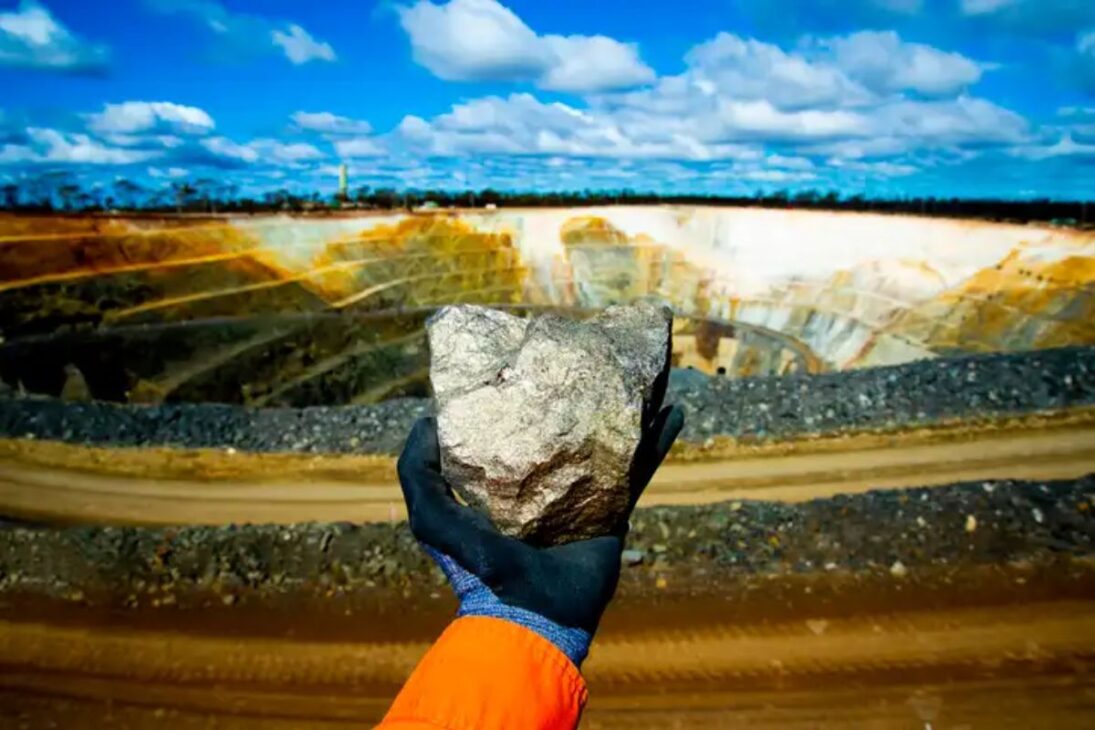
Despite the frustration, Yıldırım continues to expand his business in Brazil. Recently, his company won a dispute for the acquisition of a copper project in Carajás (PA) for US$ 465 million. He claims he intends to invest in refining and metallurgy in the country if he can gain access to low-cost electricity.
In addition to nickel and copper, the Turkish group is interested in other strategic minerals in Brazil, such as vanadium and niobium — the latter being considered a key component for cutting-edge technologies, including projects related to defense and the nuclear sector.
The Red Card
For the magnate, the only way for Brazil to avoid a dangerous dependence is to react now. He asks that Cade and the Brazilian government review the decision, block the sale, and allow for more advantageous proposals. “Brazil needs to open its eyes and show a red card to the Chinese. There is a European investor willing to pay more, invest in the country, and ensure that production is not completely captured by China,” he concluded.








