






 Portuguese
  Spanish


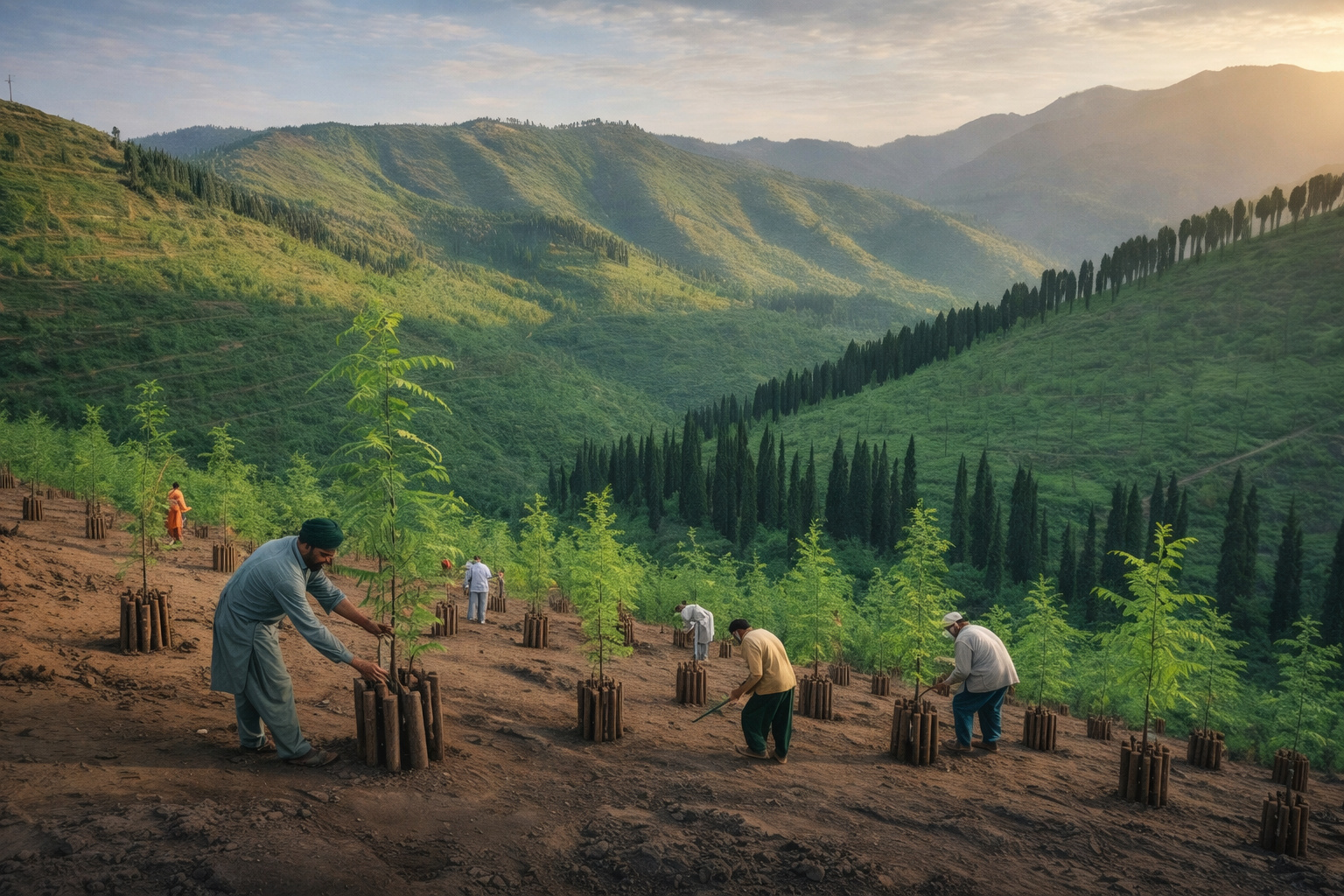


Launched in the Province of Khyber Pakhtunkhwa, the Billion Tree Tsunami Became One of the Largest Forest Restoration Programs Ever Implemented in a Short Time Frame.
In one of the largest forest restoration efforts ever undertaken by a subnational entity, the province of Khyber Pakhtunkhwa, in northwest Pakistan, completed an ambitious tree planting program that surpassed the mark of 1 billion saplings in about two years, transforming large degraded areas into restored forests and becoming a reference in the Bonn Challenge, a global initiative to reverse land degradation.
A Strategic Response to the Environmental Challenge
The project known as the Billion Tree Tsunami Afforestation Project was conceived as a direct response to the consequences of deforestation, soil erosion, and climate vulnerability affecting the province of Khyber Pakhtunkhwa and other areas of Pakistan. The initiative began in 2014 under the leadership of the provincial government, focusing on reforesting vast degraded areas and restoring essential ecosystem services.
The central goal was not only to plant trees but to restore entire landscapes through a reforestation model that combined protected natural regeneration with planned planting, benefiting both the environment and local rural communities.
-
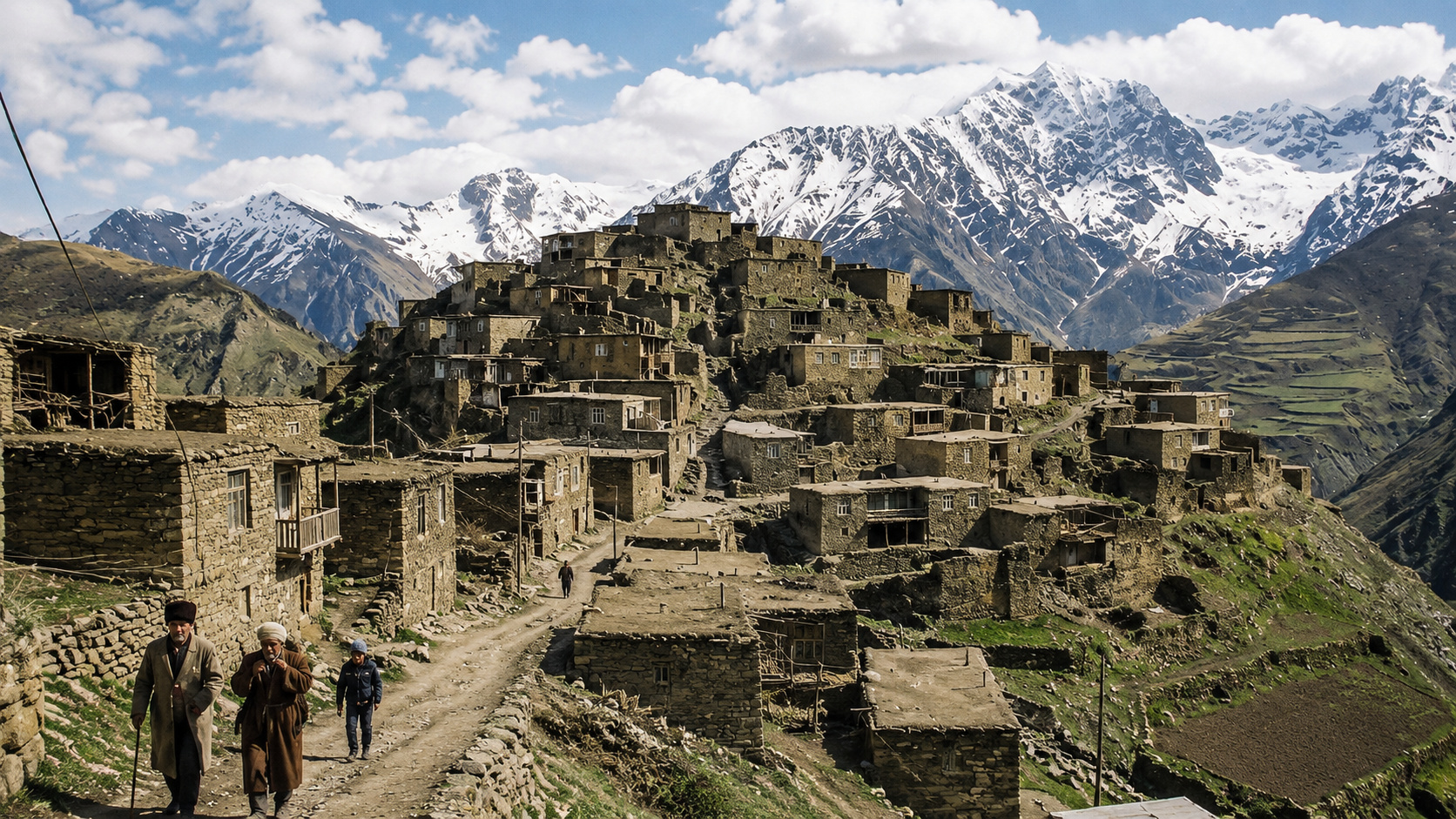
In the Caucasus Mountains, a Community Preserves a Language So Rare Few Outsiders Can Understand It

-
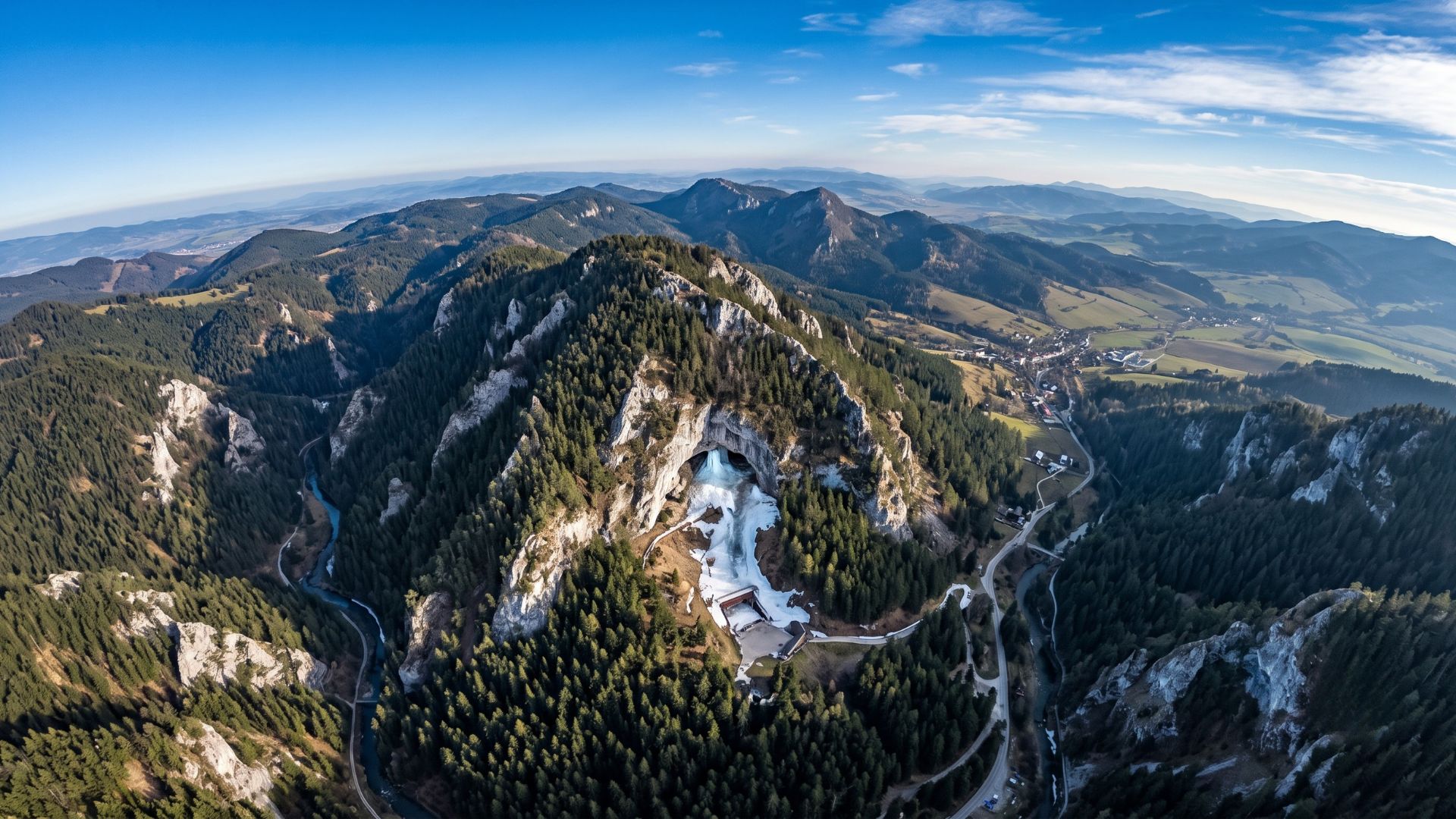
Slovakia’s Ice Cave Holds Over 110,000 m³ of Frozen Wonders, Boasts Walls Up to 27 Meters Thick, and Was Among the First Electrified Caves Globally

-
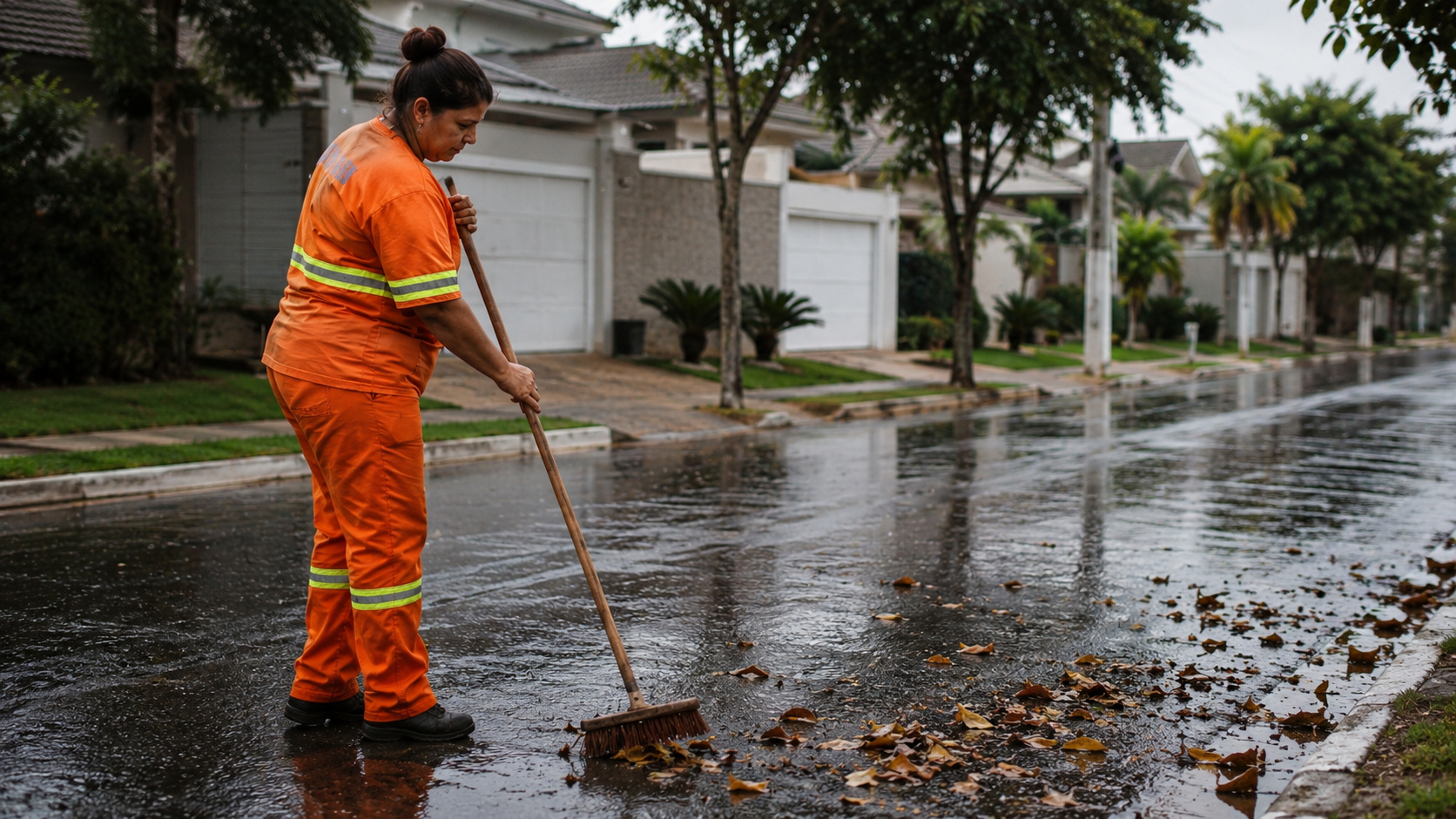
Street Cleaner Accidentally Receives $200,000 Transfer, Returns Unexpected Fortune to Rightful Owner
-
Australian Space Agency Investigates Six Mysterious Metal Spheres Found on Queensland Beach, Isolating Area Over Possible Space Debris Risk


More Than Numbers: Land Restoration and Environmental Services
By August 2017, the program had achieved:
- Restored about 350,000 hectares of forests and degraded lands through reforestation and natural regeneration.
- Exceeded the target made by the province in its contribution to the Bonn Challenge, committing to restore large tracts of deforested and degraded areas.
- Established thousands of nurseries and engaged local communities as sapling providers and planters.
The Bonn Challenge is a global partnership created to restore over 150 million hectares of degraded land by 2020 and 350 million hectares by 2030. The commitment made by the Pakistani province was the first subnational commitment to meet its targets within this international effort.
Local Social and Economic Benefits
The impact of the initiative was not limited to the environment. It:
- Created green jobs for thousands of people, including youth and women in rural areas.
- Stimulated the formation of local nurseries that generated income for participating communities.
- Supported the regeneration of forest landscapes that were unprotected and susceptible to erosion and extreme weather events.
These economic and social effects are an integral part of the logic of sustainable restoration: as vegetation regrows, job and income opportunities are generated close to the areas where trees are planted.
International Recognition and Legacy
The initiative gained global recognition, being cited by organizations such as the International Union for Conservation of Nature (IUCN) as a success example in restored landscapes, and inspired other reforestation campaigns at both federal levels in Pakistan and other parts of the world.
This recognition also motivated the launch of even larger programs later on, such as the so-called 10 Billion Tree Tsunami, initiated in 2018 with expanded national goals across Pakistan — an expansion of the original concept aimed at planting even more trees in the country.
A New Conversation About Climate, Territory, and Communities
The Billion Tree Tsunami has become a symbol of how ambitious environmental goals can be achieved through planning, community participation, and effective partnerships. It shows that, with political will, local knowledge, and solid ecological strategies, it is possible to reverse decades of degradation and create more resilient landscapes — not only for the climate but also for the people who depend on those lands and natural services.
And in the end, the big challenge is this: if one province managed to restore hundreds of thousands of hectares and plant more than a billion trees in two years, how many other territories could multiply that impact with similar initiatives?


