Portuguese
  Spanish


Popular housing boosted GRF Incorporadora in Mato Grosso, created by Diogo Reis and Leandro Guimarães, which went from 10 units to more than 700 houses delivered, betting on Minha Casa, Minha Vida, accessible credit, and home ownership to aim for R$ 170 million in 2026 in the state’s interior.
Popular housing became the center of GRF Incorporadora’s strategy, a company founded in 2018 by Diogo Reis and Leandro Guimarães, in Mato Grosso. The company started with 10 housing units in Diamantino, began activities the following year, and today has delivered more than 700 houses in over ten cities in Mato Grosso, supported by Minha Casa, Minha Vida, the pursuit of home ownership, and access to affordable credit.
The information is from Exame, in a publication dated July 5, 2026, at 11:05 am, signed by Júlia Arbex. According to the report, GRF wants to increase its revenue from R$ 103 million, recorded in 2025, to R$ 170 million in 2026, supported by about 3,000 housing units already contracted and in different stages of approval and execution.
From 10 houses in the interior to over 700 deliveries
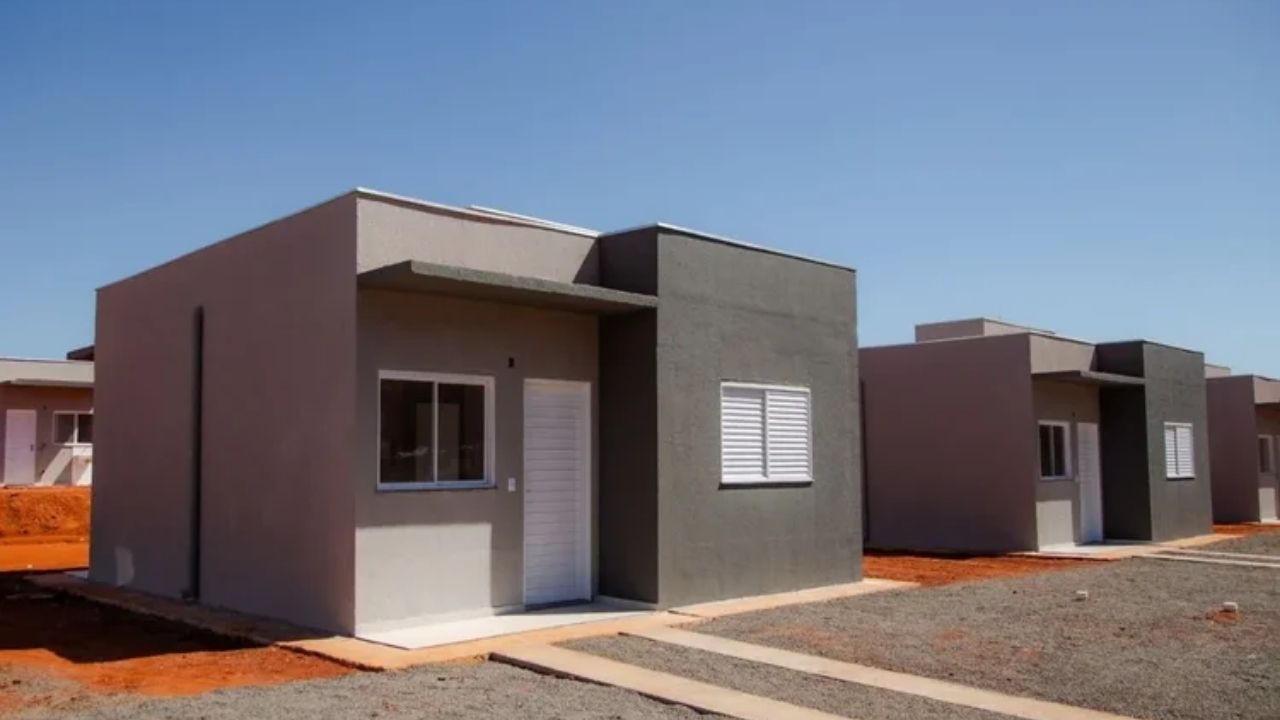
The trajectory of GRF began far from the major real estate centers. Instead of targeting capitals or regions already contested by large developers, the founders bet on towns in the interior of Mato Grosso, where there was demand for housing and less presence of large companies. The first step was small: 10 housing units financed with their own resources.
-
Brazil’s Largest Port to Accommodate Bigger Ships by October as Ibama Approves Non-Explosive Removal of Hidden Rocks and Sediments

-
Mexico Develops 3D-Printed Concrete from Corn Waste, Cutting Emissions by 70% and Reducing Construction Waste by 90%
-
Traditional Mortar to Decline by 2026: ACIII-E Solution for Large Porcelain Tiles Offers Better Adhesion and Reduces Risk of Loose Pieces in Floors and Facades

-
72-Year-Old Man Spends Six Years Building a Rotating House for His Wife, Completing a Full Turn in 22 Seconds


This limited start gained scale with the advancement of financiable popular housing. The company began operating in more than ten cities in the state and has since surpassed the mark of 700 homes delivered, consolidating a regional operation aimed at families seeking home ownership with more accessible credit.
Minha Casa, Minha Vida became the axis of expansion
The developer focuses its operations on properties classified under Band 2 of the Minha Casa, Minha Vida program. This audience consists of families with sufficient income to finance a home but who depend on more favorable credit conditions to purchase the property.
Within this strategy, affordable housing appears not only as a real estate product but as a response to a concrete demand for housing finance. The logic is to serve workers who can take on installments but need access to programs that reduce the entry barrier to the homeownership market.
Mato Grosso still concentrates space for growth
Even having received proposals to operate in other states, GRF does not intend to accelerate geographic expansion at this time. The executives’ assessment is that Mato Grosso still offers a broad field for new projects, especially in municipalities where the demand for housing remains strong.
This choice helps explain why affordable housing has gained weight in the company’s plan. In interior cities, the housing deficit and the search for accessible credit create space for developers who can structure projects compatible with Minha Casa, Minha Vida and the payment capacity of local families.
Goal of R$ 170 million depends on ongoing projects
The company closed 2025 with a revenue of R$ 103 million and aims for R$ 170 million in 2026. The expectation is linked to approximately 3,000 housing units already contracted, distributed between approval and execution phases.
In the EXAME Expanding Business ranking, the developer appeared after recording a net operating revenue of R$ 35.8 million, an increase of 242% over the R$ 10.4 million obtained in the previous 12 months. The leap shows how the affordable housing market can scale when there is demand, financing, and delivery capacity.
Operation moved from Cuiabá to serve several cities
To manage developments spread across the state, GRF structured its operation from a central office in Cuiabá. The administrative headquarters gathers about 70 employees, while the construction sites have hundreds of professionals hired directly.
Considering contractors and partners, the workforce varies between 300 and 400 people. This structure is necessary because affordable housing requires schedule control, construction standards, and simultaneous execution in different municipalities, without losing project predictability.
Construction speed became a strategic piece
In addition to territorial expansion, the company claims to have raised the standard of delivered units. According to the report, the projects began to incorporate higher quality materials, replacing finishes considered basic in popular developments.
The speed of execution also gained importance. In Sapezal, for example, GRF is building 532 housing units and intends to complete the project within seven to eight months. In a high-demand market, delivering quickly can be as decisive as getting new projects approved.
The founders’ origin helps explain the model
Diogo Reis and Leandro Guimarães met in school and went on together to civil engineering college. During their studies, they started working in the real estate sector and, still in the fifth semester, decided to open their own company.
The two interrupted their studies to fully dedicate themselves to the business. The previous experience in larger developers helped shape their market vision, but the chosen path was different: to operate where large companies still looked more cautiously, using popular housing as a base for regional growth.
Internal trust also became part of the strategy
Civil construction usually deals with challenges such as material losses, control failures, and difficulty in coordinating teams. In the case of GRF, the founders advocate an organizational culture based on delegation, trust, and people development.
The company also invests in employee training and development. This point is important because accelerated growth in popular projects depends not only on selling units but on maintaining execution, control, and quality as the operation scales up.
What the investment in popular housing reveals about the interior
The case of GRF shows how municipalities outside the major real estate hubs can become relevant markets for housing. When there are families with unmet demand, financing programs, and companies willing to operate regionally, popular housing ceases to be a small niche and begins to support robust expansion plans.
The question now is how far this model can grow in Mato Grosso before the company seeks new states. Do you think large developers still underestimate interior cities with strong demand for homeownership, or will this market become increasingly competitive? Leave your opinion in the comments.