Portuguese
  Spanish



Brazilian Biogas Potential Can Replace More Than 70% Of Diesel And Electricity In The Country
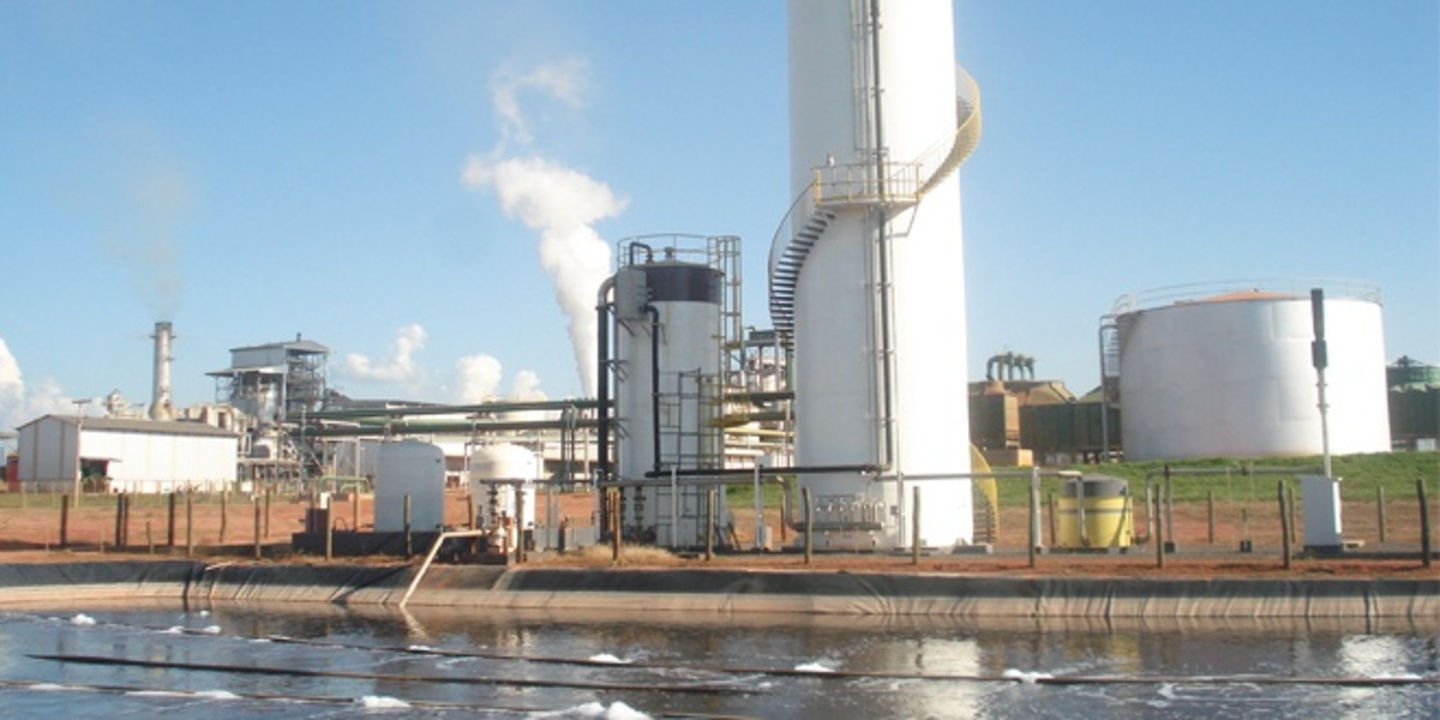
Considered the country with the largest potential for biogas production in the world, Brazil today has raw materials to supply 70% of national diesel consumption or 36% of electricity consumption. These new potentials were announced during the 5th Biogas Forum, regarded as the largest event in the sector in Latin America, promoted by the Brazilian Association of Biogas and Biomethane (ABiogás), in São Paulo.
Read Also
The new values are described in the 2nd edition of the National Biogas and Biomethane Program (PNBB), which was updated after three years and presented at the event’s opening.
Carbon Footprint And Electricity And The Biogas Wave
A refined version of biogas, biomethane emits 85% less greenhouse gases (GHG) than diesel, for example. This makes this biofuel have one of the lowest carbon footprints among available fuels and be an important product in the new sustainable energy matrix.
-
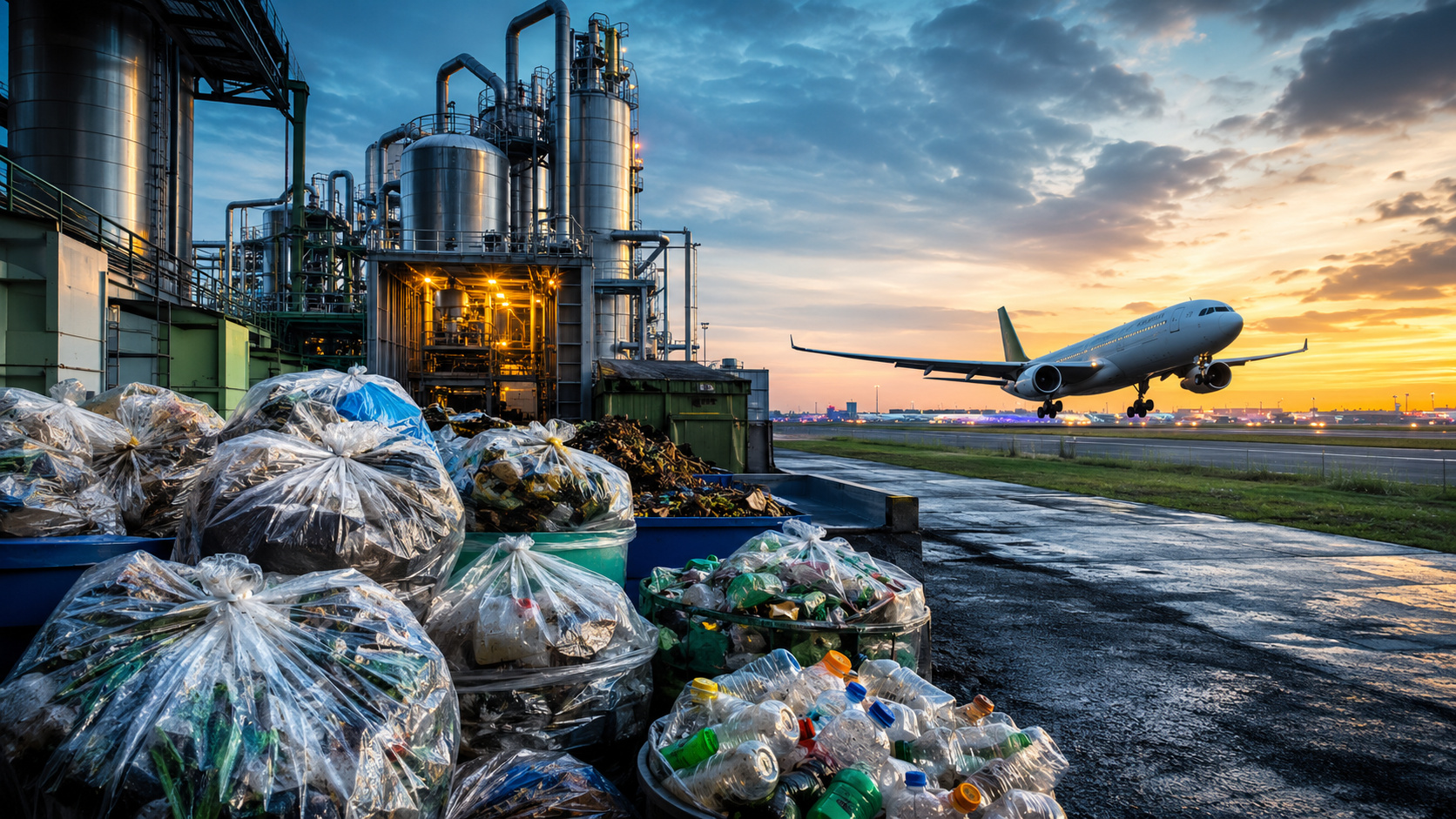
Qantas and Airbus Invest in Company Aiming to Convert Unsorted Household Trash into Jet Fuel

-
Brazil’s ANP Opens 86 New Oil Blocks in the Equatorial Margin, Expanding the Amazon River Mouth Frontier

-
OPEC+ Boosts Oil Supply by 188,000 Barrels per Day in July 2026, Leading to Price Drop from $112 to $89 per Barrel in Under Two Months

-
TotalEnergies Signs 20-Year Deal to Purchase 2 Million Tons of LNG from Alaska, Boosting Project Viability


According to Alessandro Gardemann, president of ABIogás, new sources of raw materials have been considered. “In addition to filling the three-year gap of updates, we included other sources that were previously not considered besides diesel, such as corn and soy straw,” he highlights.
Currently, the sugar-energy sector is the great promise for biogas, with potential to generate 41 billion m³/year. Next comes agroindustry with 38 billion and sanitation with 4 billion. In total, Brazil could produce 82 billion m³/year.
Natural Gas, Diesel And Electricity
The sugar and alcohol sector can further contribute to improving the environmental efficiency of agricultural production in Brazil, in addition to helping reduce carbon emissions by decreasing the use of diesel and producing clean, renewable energy.
“The sector has the highest potential for biogas recovery. In ten municipalities in the State of São Paulo, with the highest concentration of waste, the biogas potential is over 3 billion Nm³ in the harvest. If converted to biomethane, this would be equivalent to 65% of the state’s natural gas consumption or 32,000 GWh (Gigawatt-hours), if utilized for electricity generation with biogas,” highlights Suani Coelho, a professor at the Institute of Energy and Environment (IEE) of the University of São Paulo (USP).