Portuguese
  Spanish



National Production of Biometane Grows and Strengthens Energy Transition in the Country
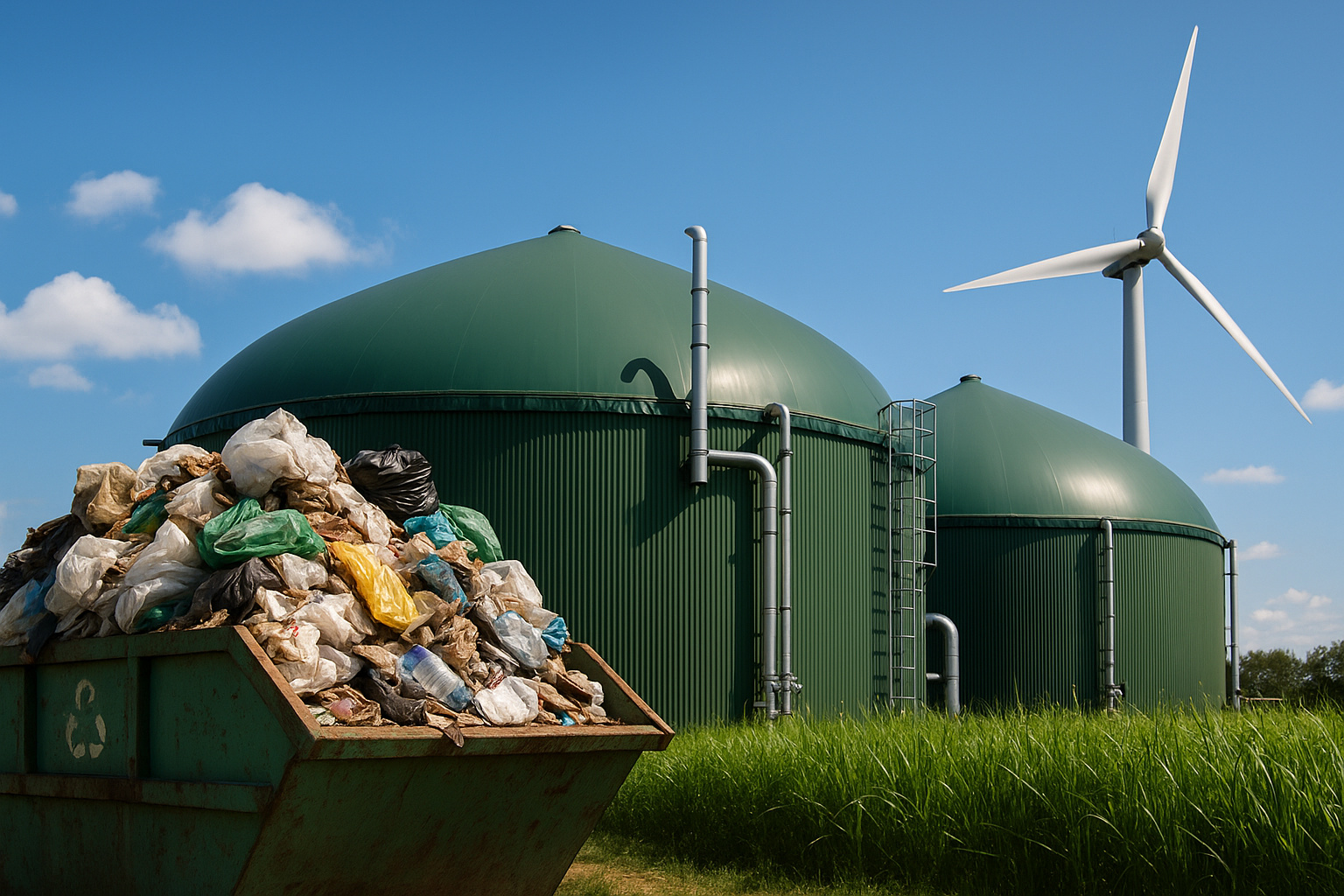
The biometane is advancing in Brazil because it transforms organic waste into a renewable fuel with a high methane content, above 96%, according to Ana Paula Silva from IPT.
This high percentage allows for the substitution of natural gas with lower greenhouse gas emissions, while ensuring greater stability in supply.
The process involves the purification of biogas, which removes contaminants and increases energy efficiency.
The expansion of the technology has gained momentum since 2023 with new investments in treatment units and infrastructure aimed at distributed generation.
Economic and Environmental Advantages
Biometane stands out because, in addition to reducing emissions, it also offers cost predictability, as explained by Marcel Jorand, CEO of Gás Verde, in 2025.
He states that the price of the fuel remains stable because it is produced domestically. This characteristic avoids fluctuations caused by the dollar or oil prices, which facilitates energy planning for companies.
The fuel also contributes to the proper treatment of urban waste, reducing environmental liabilities and creating value from waste that was previously discarded without use.
Production Routes Expand the Potential of Renewable Gas
Gás Verde uses landfills as the main source to generate biometane.
Other routes include agroindustrial waste, slaughterhouse by-products, animal waste, sewage and industrial effluents, as well as waste from the sugar-energy sector. This diversity reinforces the country’s ability to expand the supply of renewable gas, transforming different wastes into a consistent energy solution.
According to Silva, this versatility helps convert historical environmental problems into a cleaner and more efficient energy matrix.
-
H2A to Invest $570 Million in 22 Biomethane Plants in Brazil, Converting Agricultural Waste into 700 Tons of Renewable Fuel Daily

-
Brazil to Introduce B16 Diesel with Increased Soybean Oil Content for Trucks by 2026
-
Brazil Advances with JetBio’s Megaproject to Build the World’s Largest Ethanol-Based Sustainable Aviation Fuel Plant, Aiming to Become a Global Exporter

-
Brazil on Track for Record 40.7 Billion Liters of Ethanol in 2026/27 Season, Driven by Corn Ethanol


Industries Adopt Goals and Expand Operations
Companies like L’Oréal, Nestlé and STIHL are intensifying the use of biometane since 2024, as they seek to reduce emissions and stabilize costs. At L’Oréal, director Juliana Fleming states, in 2025, that 60% of sold items will use the fuel by 2030.
She explains that the operation already employs biometane in transportation between factory and distribution center. Furthermore, deliveries in São Paulo, Rio de Janeiro, Paraná, Santa Catarina and Rio Grande do Sul register a lower environmental impact.
At Nestlé, the fuel powers the production of dairy products and chocolates at the units in Araçatuba and Caçapava. Araçatuba uses sugarcane waste, while Caçapava employs material from landfills.
As explained by Donir Costa, engineering director, in 2025, the company reduced emissions without requiring significant structural changes, because biometane integrates easily into existing industrial processes.
STIHL has also progressed since 2023.
The manager Rafael Szabo states that dedicated trucks transport the gas and that the company maintains its own storage facilities in São Leopoldo.
He highlights that the factory will operate fully with biometane by the end of 2025, as its proximity to the municipal landfill facilitates continuous supply.
Energy Stability and Environmental Goals
Biometane solidifies as a strategic alternative because it reduces emissions, stabilizes costs, and strengthens the country’s sustainable infrastructure.
In addition, it decreases dependence on imported inputs and creates significant environmental benefits. This combination drives climate goals established by companies since 2022 and supports the Brazilian energy transition.