Portuguese
  Spanish


Brazilian ethanol production is expected to reach a new record in the 2026/27 harvest, reaching about 40.7 billion liters, an increase of approximately 8.5% compared to the previous cycle, according to a survey by the National Supply Company (Conab). The main driver of this growth is corn ethanol, which is advancing at a much faster pace than traditional sugarcane ethanol.
The data confirms a silent transformation in the country’s biofuels sector. Brazil, which has always been synonymous with sugarcane ethanol, now sees corn ethanol gaining accelerated space, especially in the Midwest, where there is an abundance of grain and a lack of outlets.
Corn Takes Center Stage
According to Conab, the production of corn ethanol is expected to grow by about 12.3% in the 2026/27 harvest, reaching nearly 11.4 billion liters. This is a significant leap for a segment that practically did not exist in the country a decade ago and today already accounts for an important share of all national ethanol.
-
Petrobras Approves $1.2 Billion Refinery in Brazil to Produce Aviation Fuel and Diesel from Plants

-
US$ 7 billion, green hydrogen, and steel with up to 95% less CO₂: the first green steel plant on the planet emerges in Sweden and targets Brazil as the next chapter

-
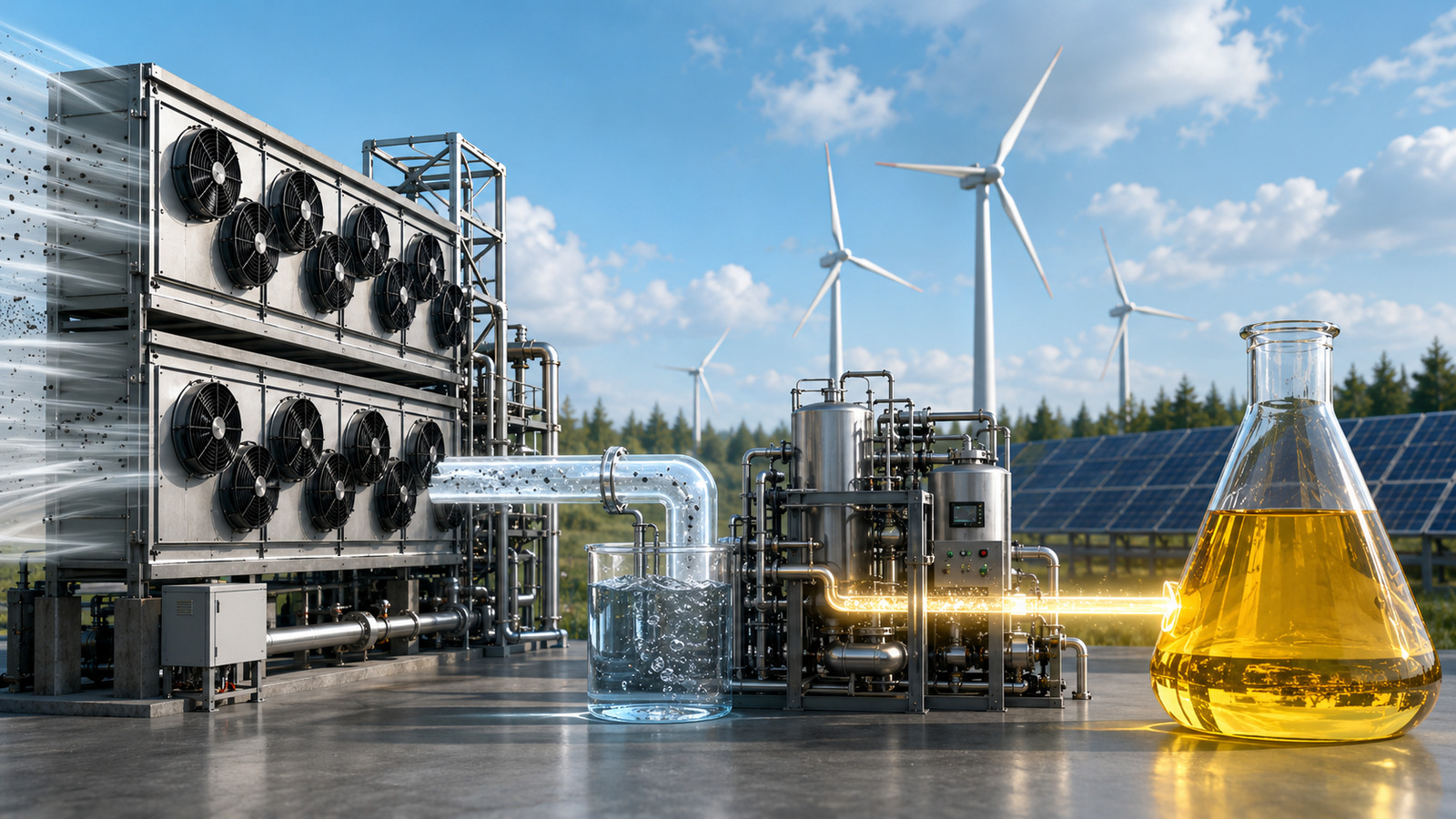
Swedes manage to create synthetic fuel with CO₂, water, and renewable energy, compatible with current engines, but face a huge problem: the energy expenditure is still double the return.
-
Brazil begins to transform wheat, residues, sweet potatoes, and soy molasses into ethanol, in a new phase of biofuels that seeks to utilize leftovers from the field and industry to fuel flex-fuel cars.



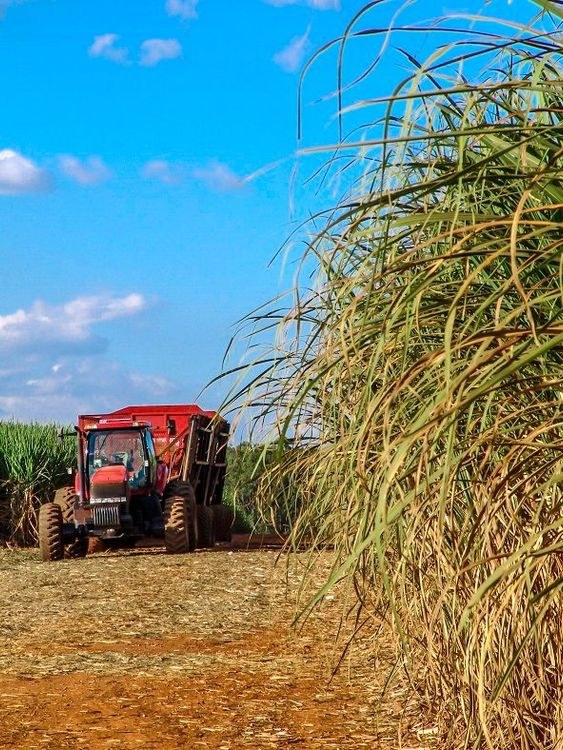
The Midwest is the heart of this movement. States like Mato Grosso, the largest grain producer in the country, have started to transform part of their gigantic corn harvest into fuel right there, instead of sending everything for export or feed. The Northeast has also entered the map, with new plants being installed to take advantage of the growing demand.
The logic is simple and powerful.
Instead of transporting the corn thousands of kilometers to the port, with expensive freight, the producer adds value in the region itself, transforming the grain into ethanol and by-products such as meal used in animal feed. It is a way to circumvent the logistical bottleneck that increases the cost of production in the country’s interior.
Why Production Grows So Much
The advance of ethanol is driven by several factors at the same time. There is the expansion of industrial capacity, with the construction of new plants and the expansion of existing ones; there is the abundant supply of raw material, both sugarcane and corn; and there is firm demand, supported by the national biofuels policy and the growing interest in less polluting fuels.
Legislation helps drive consumption. Programs that encourage the blending of ethanol in gasoline and the use of renewable fuels ensure a market for the product, providing security for plants to invest in more production. Ethanol is also central to the conversation about energy transition, as it emits less carbon than gasoline throughout its cycle.
Much More Than Fuel
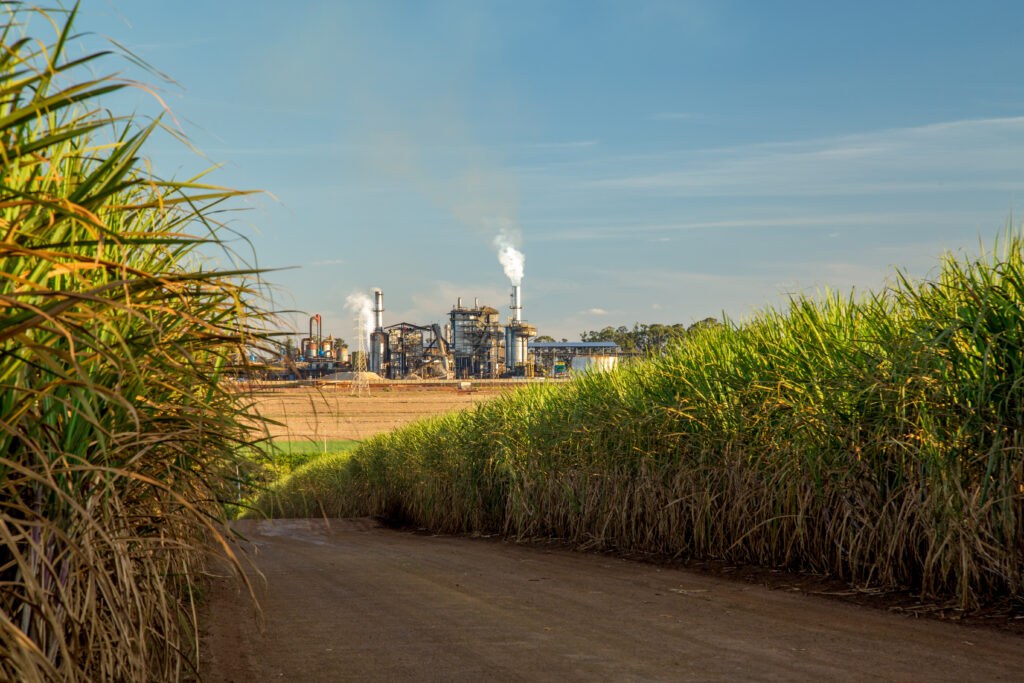
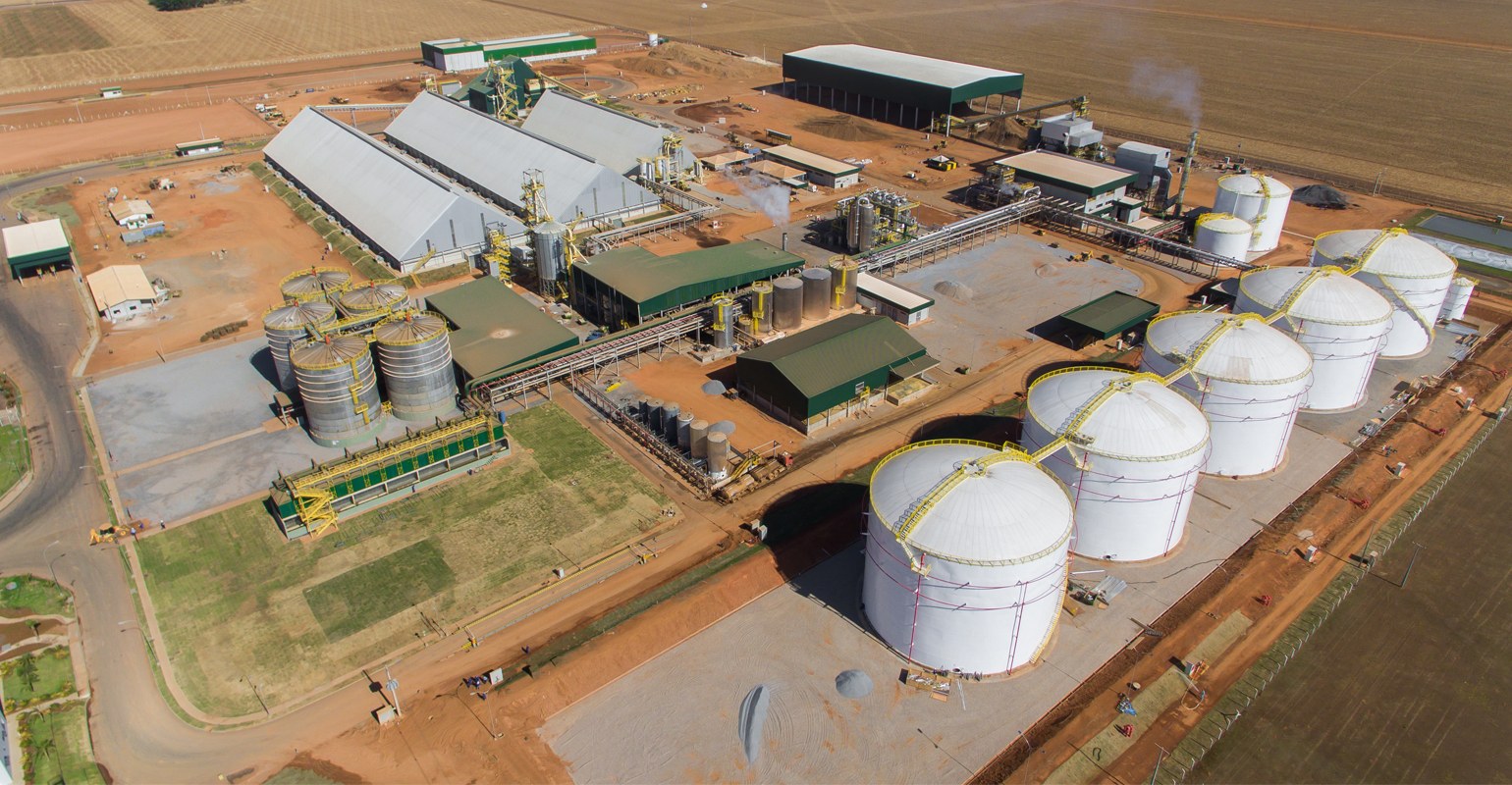
Corn ethanol does not only produce fuel. The process produces valuable by-products, such as DDG, a protein-rich meal used in feeding cattle, poultry, and pigs, and corn oil. Many plants also burn residues to generate their own electricity, selling the surplus to the grid. In practice, a single plant transforms the grain into fuel, feed, and energy at the same time.
This logic of utilizing everything makes the business more profitable and helps explain why so many plants are being built in the country’s interior. For the neighboring rancher, the arrival of a plant means cheaper feed; for the corn producer, another buyer competing for their harvest and sustaining the grain price in the region.
Brazil’s Weight on the Global Map
The record reinforces Brazil’s position as a global powerhouse in biofuels, alongside the United States. While the Americans produce almost all ethanol from corn, Brazil has the advantage of combining both sources, sugarcane and corn, which provides flexibility and stability to supply throughout the year.
This prominence has strategic value. In a world seeking to reduce dependence on oil, mastering large-scale renewable fuel production places the country in a privileged position, with the potential to export both the product and the production technology.
The coming years should confirm the upward trend. With new corn plants coming into operation and the demand for clean fuels growing, Conab and industry entities project that ethanol will continue to break records. According to the survey, the 2026/27 harvest marks another chapter in the accelerated expansion of Brazilian biofuel.