Portuguese
  Spanish


Sustainable And Clean Solution, The Biogas Drives Manaus With Renewable Energy, Reduces Waste, Strengthens The Local Economy And Contributes To The Decarbonization.
The city of Manaus, known for its natural wealth and strategic position in the heart of the Amazon, is undergoing a quiet and promising transformation. For decades, the capital has faced serious environmental problems with improper waste disposal and dependence on fossil sources for energy generation.
However, currently, biogas is beginning to change this scenario.
Amazonas has historically dealt with open landfills. In comparison to other regions, about 92% of municipalities still adopt this inadequate destination for their waste. Meanwhile, states like São Paulo and Santa Catarina have already eliminated this practice.
-
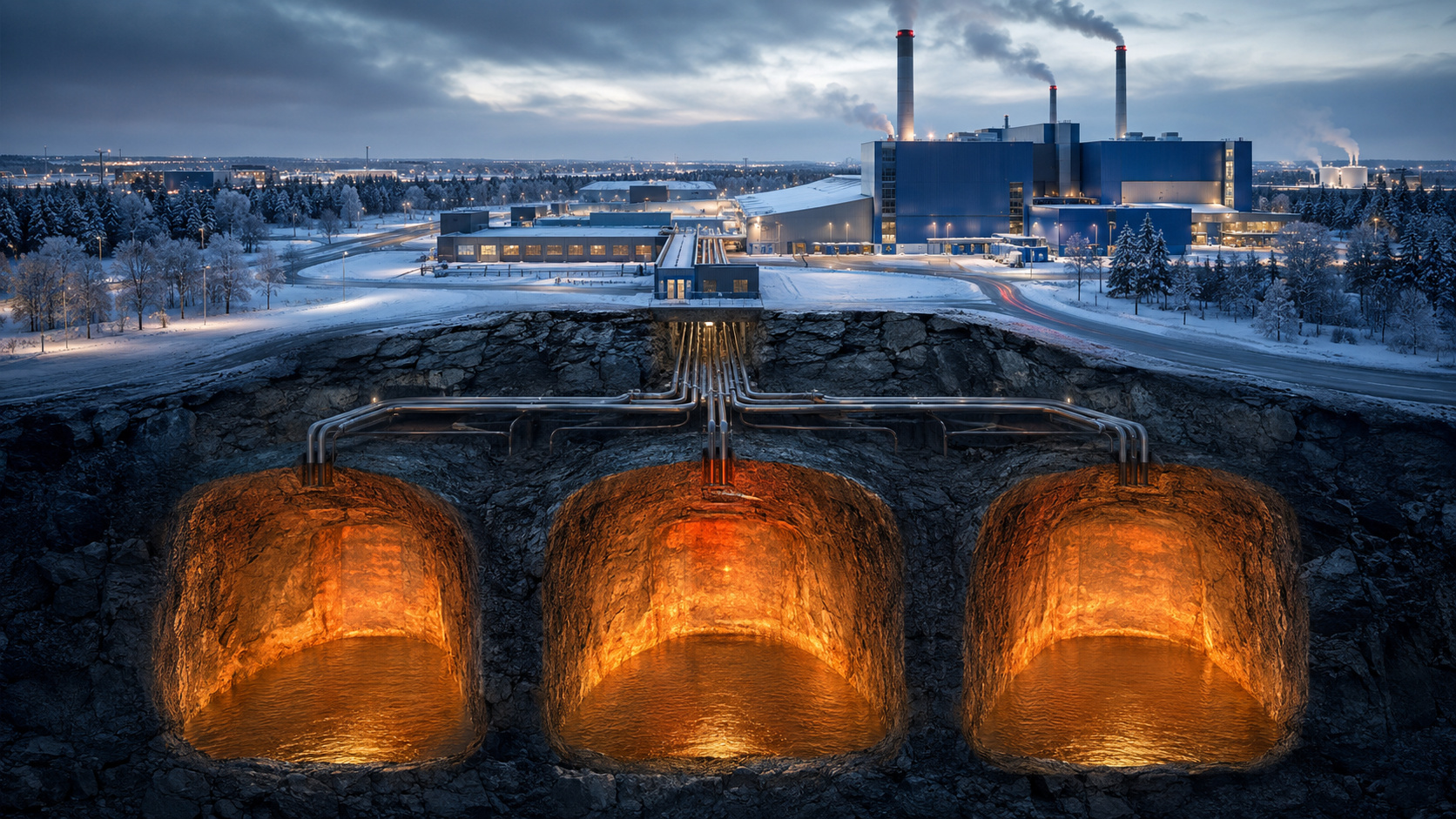
California Project Aims to Store Heat Underground in Former Oil Reservoir to Generate 100 kW of Electricity for Over 12 Hours

-
French Port Harnesses Industrial Waste Heat to Power Up to 30,000 Homes
-
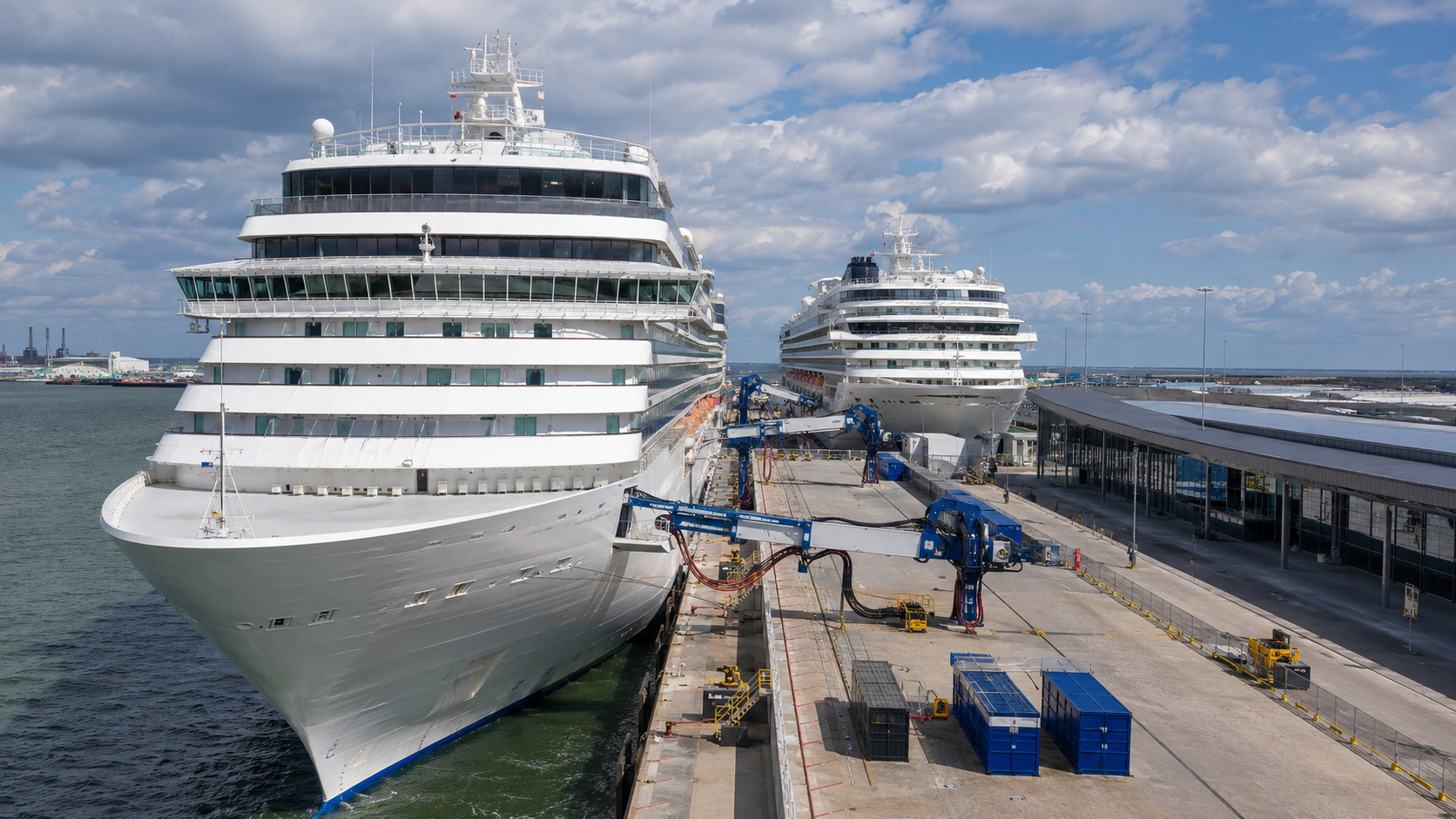
Belgian Port to Install Shore Power for Cruise Ships by 2027, Cutting Dock Emissions by Up to 5% and Meeting EU Regulations
-
Canadian Project Converts Hot Water from Mature Oil Fields into Electricity, Repurposing Existing Wells and Infrastructure



This model, in turn, causes direct impacts on soil, contaminates groundwater, and exacerbates public health issues.
Moreover, Manaus heavily relies on natural gas transported from Coari, hundreds of kilometers away. This complex logistics creates constant risks for the city’s supply and affects the functioning of the Manaus Industrial Hub.
Consequently, when there are failures in this transport, the energy supply goes into alert mode and the entire economic chain suffers.
Biogas As An Agent Of Energy Transformation
In this context, biogas stands out as a viable, clean, and local alternative. Derived from the decomposition of organic matter, this renewable gas efficiently replaces fossil fuels, emitting up to 90% less CO₂ when burned.
Therefore, it is a solution aligned with the global climate agenda.
In 2024, the company Marquise Ambiental completed the construction of the Waste Treatment and Transformation Center (CTTR) Amazonas, located 40 kilometers from downtown Manaus. The structure, therefore, represents a historical milestone for energy transition in the region.
The forecast is for the plant to operate at full capacity by 2028, producing 41 million cubic meters of biogas per year, enough to supply about 179,000 households daily.
Marquise, which also operates the GNR Fortaleza — responsible for almost one-third of the national biogas production, brought its expertise to the Amazon.
The CTTR transforms urban solid waste, fish viscera, and sugarcane leftovers into renewable gas. This process, therefore, addresses a chronic environmental problem while simultaneously turning waste into a safe energy source.
In addition, biogas can supply public transport vehicles and collection trucks, reducing pollution on the streets and diesel costs.
Thus, Manaus is advancing towards cleaner and smarter urban mobility.
Biogas Boosts Manaus With Environmental And Energy Benefits
The capital of Amazonas has never fully integrated into the National Interconnected System (SIN). For this reason, about 89% of the municipalities in the state still operate with isolated systems, powered by thermoelectric plants that burn diesel oil.
This fuel is expensive, polluting, and reliant on river transport — which becomes even more problematic during severe drought periods in the region.
In this scenario, biogas boosts Manaus with local solutions, capable of strengthening energy security and reducing dependence on unstable sources.
By producing clean gas directly from the city’s waste, the capital becomes more resilient to variations in conventional supply.
The CTTR will also treat leachate, a toxic liquid resulting from the decomposition of organic waste. Instead of discarding this substance, the plant will use reverse osmosis technology to turn it into reusable water.
The forecast is to generate about 1,000 cubic meters of water per day, which can be used for industrial cleaning, with no environmental risks.
This approach reinforces the circular economy model, where waste ceases to be a problem and becomes valuable assets.
By investing in repurposing, Manaus reduces its environmental impact, creates jobs, and stimulates new businesses related to sustainability.
What Is Still Needed For Biogas To Advance
Despite its promising potential, there are still obstacles in the way. The full operation of the CTTR depends on a decision from the Manaus City Hall, which must officially transfer the management of the city’s waste to the new landfill integrated with the plant.
Until this occurs, the old landfill continues to receive waste, even though it has been in a critical condition since 2024.
Another urgent demand is the construction of a pipeline to connect the CTTR to the grid of the Gas Company of Amazonas (Cigás). Without this infrastructure, the flow of biogas will face bottlenecks, making its commercialization and reach to new consumers difficult.
Furthermore, the environmental licensing process is still progressing slowly. This delay jeopardizes sustainable projects across Brazil.
Therefore, accelerating the issuance of licenses — with technical rigor but without excessive bureaucracy — will be essential for biogas to consolidate as a viable energy alternative.
A Promising Scenario, But Needing Structure
According to the National Agency of Petroleum, Natural Gas and Biofuels (ANP), Brazil produced 81.5 million cubic meters of biogas in 2024.
However, the country has infinitely greater potential, especially considering the enormous amount of waste generated in agriculture, urban centers, and industrial sectors.
To turn this potential into reality, it is necessary to invest in robust infrastructure, ensure regulatory safety, and create incentive mechanisms.
In addition, energy efficiency must guide this expansion.
Producing biogas with clean technology and consuming energy rationally helps solidify a sustainable and lasting model.
Training local professionals, fostering lines of credit, and stimulating partnerships between governments and companies are fundamental measures to scale up the use of biogas.
This gas can fuel industrial boilers, bus fleets, electric generators, and even the production of green hydrogen in the future.
Manaus, in this context, stands out as a testbed city for 21st-century energy.
With a growing population and evident environmental challenges, the capital has the chance to reverse its historical liabilities with modern, clean, and efficient solutions.
To achieve this, it will be necessary to integrate public policies, environmental education, and technological innovation.
Encouraging waste separation at the source, for example, can improve the quality of the biogas generated, reducing purification costs and increasing the efficiency of biogas production.
If it can unite these fronts, Manaus could become a reference for other cities in the Legal Amazon and even abroad.
The global energy transition needs concrete local examples — and the capital of Amazonas is strategically positioned to lead this process.
Ultimately, biogas drives Manaus not only toward decarbonization but also toward energy autonomy and sustainable development, showing that it is possible to reconcile economic growth with environmental responsibility.